British household energy bills to jump 26% on Iran war shock
Increase will impact around 20m households on standard contracts with variable tariffs
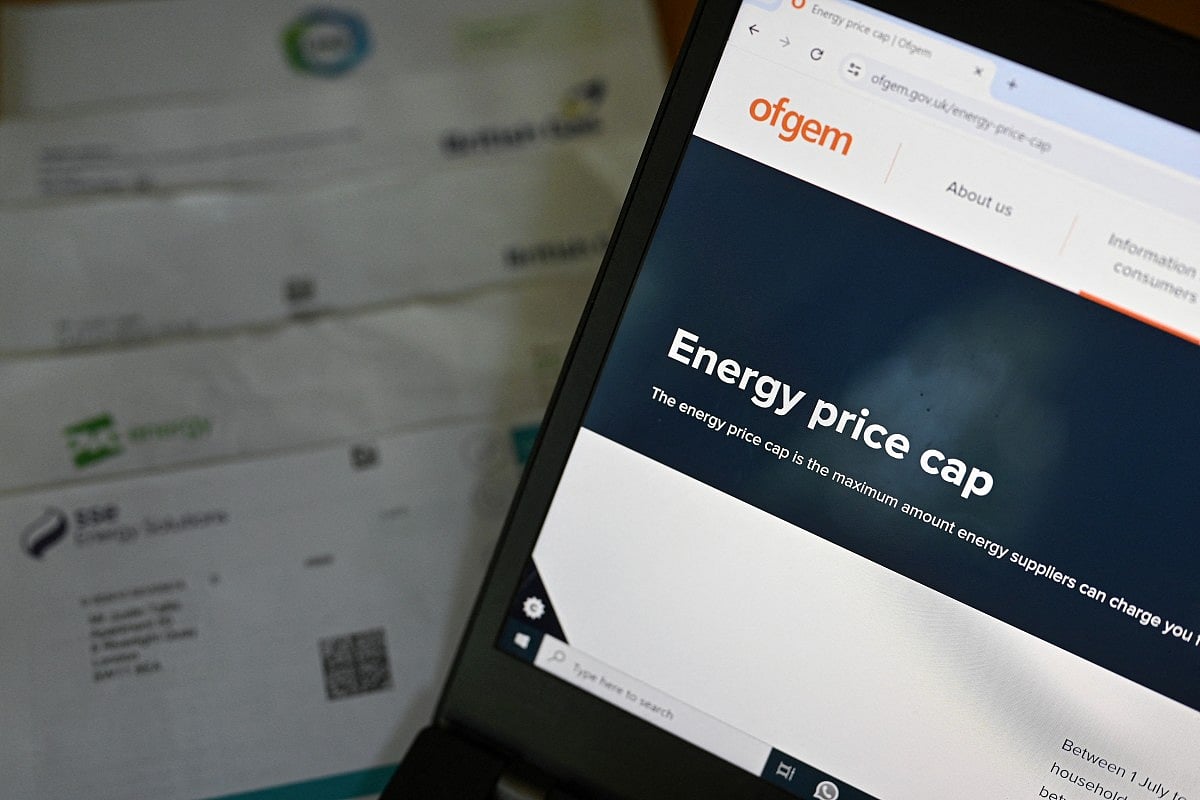
London: Household energy bills for millions of Britons are set to surge by more than a quarter from January, the sector regulator Ofgem announced Wednesday, as the Middle East war drives up wholesale gas prices.
The US-Iran conflict, which sharply reduced tanker traffic through the crucial Strait of Hormuz, has sent oil and gas prices soaring and raised concerns about a fresh spike in overall inflation.
Ofgem, which sets every quarter the price cap that suppliers can charge customers for electricity and gas, said the cap would increase 26 percent in January.
That will add around GBP443 ($580) to the typical annual bill, which will climb to about GBP2,166, Ofgem said.
“Conflict in the Middle East continues to drive energy costs higher, and we know this price increase will be a worry for many households as winter approaches,” said Ofgem’s director general for markets, Neil Kenward.
The increase will impact around 20 million households on standard contracts with variable tariffs. A further 10 million households on fixed-rate deals will be shielded from the rise as long as their contract remains in place.
The price hike means that millions of households will face higher payments even after the government hands out direct subsidies of GBP100 towards energy bills.
Prime Minister Andy Burnham’s government announced the one-off payment for 20 million households in its annual budget report in October, while also removing fixed fees on gas bills.
The government has also extended a temporary tax cut on household electricity prices.
Since the outbreak of the US-Iran war on February 28, the price of European natural gas, measured by the Dutch TTF futures contract, has surged by around 190 percent, rising to 92 euros ($101) per megawatt-hour from around 32 euros.
Britain’s annual inflation rate reached a 12-month high in October at 3.6 percent as the Middle East conflict drove up motor fuel costs.
The latest energy price cap increase is set to fuel inflation further next year, adding to cost-of-living pressures.
However, gas prices remain well below the levels seen at the height of the energy crisis in 2022 after Russia began its invasion of Ukraine.
The sharpest increase in the price cap came in October 2022, when it was raised by 80 percent.
Sign up for the Daily Briefing
Get the latest news and updates straight to your inbox
Network Links
GN StoreDownload our app
© Al Nisr Publishing LLC 2026. All rights reserved.