Herat: Two NGO staff kidnapped by the Taliban in the Western Afghanistan province of Herat were released without significant injury on Saturday, Gulf News has learned.
The Afghan driver and social organiser were in a rural village for a Community Development Council election, as part of the implementation of the National Solidarity Programme.
Members of the Taliban arrived at a mosque where the election was taking place and forcefully took the two Dacaar (Danish Committee for Aid to Afghan Refugees) staff in the presence of 250 villagers.
Three other Dacaar staff in the mosque escaped being spotted by the militants after members of the community covered them in their clothes and hurried them to their homes nearby.
The villagers also tried to stop the militants as they attempted to get away by standing in front of their vehicle. The Taliban then opened fire and one villager was shot in the chest, suffering injuries. He was later taken to hospital for treatment.
The men were released on Saturday after four weeks in captivity, with indirect demands for funds having been made by the Taliban during this time.
The driver is currently receiving medical treatment and both are spending time with their families. They are still too traumatised by their experience to be interviewed.
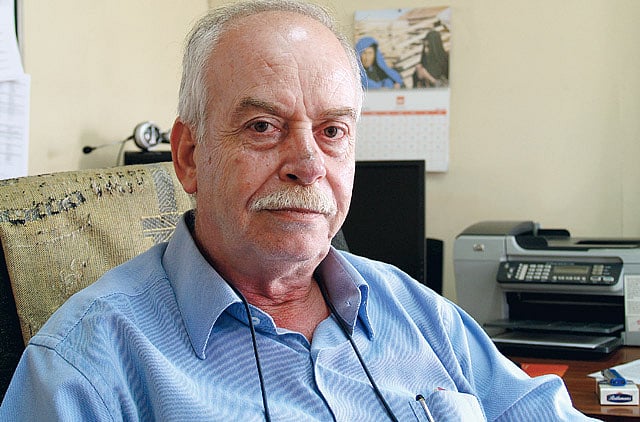
Dr Arif Qaraeen, director, Dacaar, told Gulf News from its Kabul head office that it is increasingly difficult for NGOs to work in the country. "We increasingly feel insecure…not only us but most of the NGOs in the country, at the number of kidnappings and the space for work. The number of kidnappings is increasing and there is a reduced space for work," he said.
Dacaar has been working in Afghanistan for the past 25 years and in Herat for the past 12 years. In this time, it has experienced nine cases of staff kidnappings. Four of these have been in the past month.
Two of its staff are currently being held in Faryab, North Afghanistan. To date, all the kidnappings have been Afghan employees: "…until now we have not had any expatriates kidnapped. That would be a complicated situation," Dr Qaraeen said.
"We have to buy equipment [so] the staff can contact us immediately if they are feeling threats and where they have faced any problems," he continued.
Sign up for the Daily Briefing
Get the latest news and updates straight to your inbox
Network Links
GN StoreDownload our app
© Al Nisr Publishing LLC 2026. All rights reserved.