The Philippine Land Transportation Office (LTO) clarified recently that there was no blanket ban on e-bikes and e-trikes, adding these small electric vehicles were still allowed to use city and municipal roads.
Philippines: Up to ₱300,000 loans for e-bikes, e-mobility
State-owned retirement fund GSIS rolls out 'Ginhawa Bike and E-Mobility Loan'
Last updated:
3 MIN READ
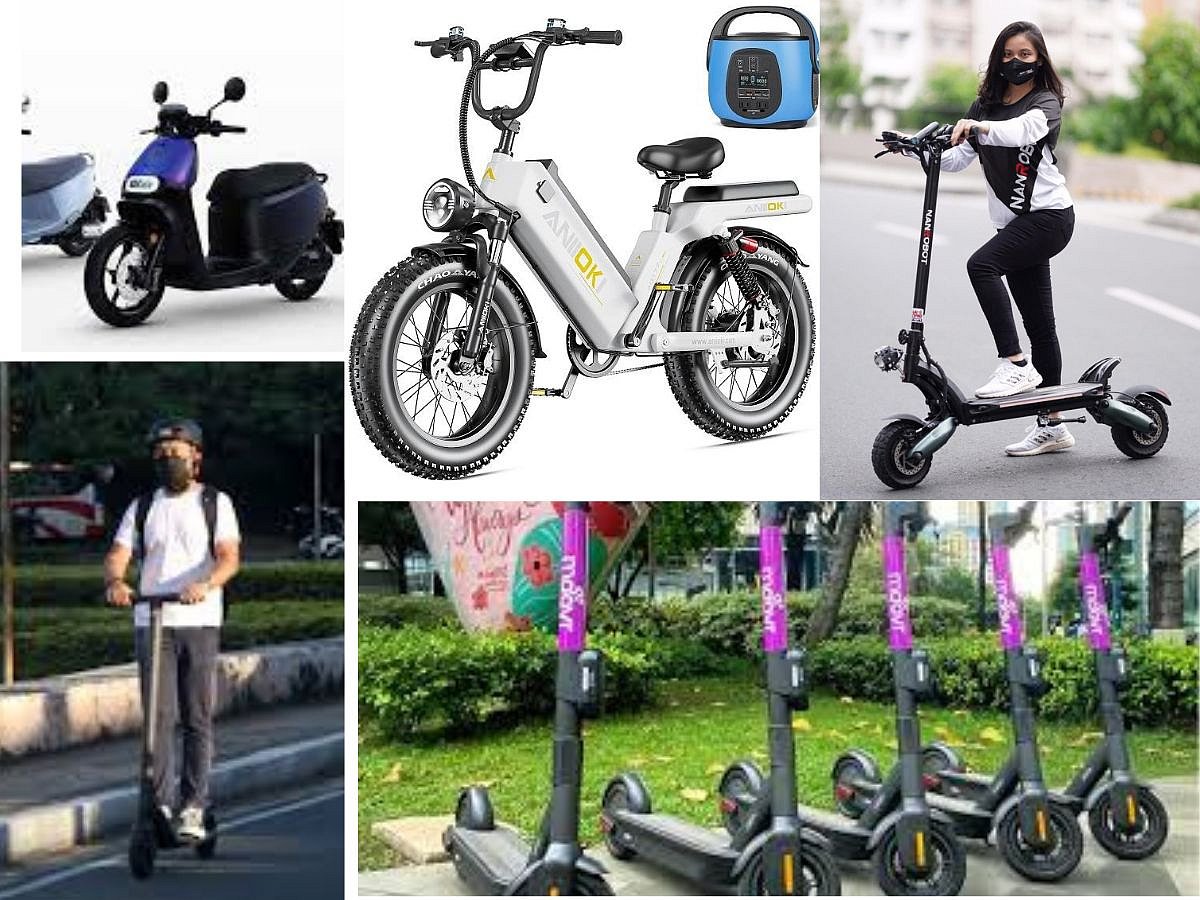
The Philippines' GSIS e-bike loan scheme supports a wide range of eco-friendly transport options, including electric bikes, e-scooters, e-mopeds, cargo e-bikes, folding electric bicycles and similar electric-powered mobility units.
X
Manila: Tired of watching your hard-earned salary evaporate every time you hit the fuel pump?
Well, buckle up — or, should we say, plug in.
The state-owned Government Service Insurance System (GSIS) has officially dropped the "Ginhawa Bike and E-Mobility Loan" (GBEL), allowing qualified members to borrow up to ₱300,000 (about $4,880) to finance up to 100% cost of the unit.
It’s dubbed as the ultimate hack to dodge those skyrocketing transport costs fueled by the global energy crisis.
The Government Service Insurance System (GSIS assets: ₱1.99 trillion as of Q1 2026) is a state-owned fund that provides mandatory life insurance, retirement, separation, and disability benefits to public sector employees. It acts as a state pension fund and insures government properties, functioning under RA 8291.
It's designed to combat the financial strain of sky-high fuel prices, and a practical lifeline for government workers struggling with soaring transportation costs by providing an affordable path to personal electric transport.
Loan details and terms
Under the GBEL scheme, qualified GSIS members can finance up to 100% of the cost of a unit, with a maximum loanable amount of ₱300,000.
The loan is designed for accessibility, featuring a modest 5% annual interest rate and a flexible repayment term of up to three years.
Eligible mobility devices
The scheme is comprehensive in its coverage, supporting a wide range of eco-friendly transport options:
Electric bikes, e-scooters, and e-mopeds
Cargo e-bikes and folding electric bicycles
Other similar electric-powered mobility units
GSIS President and General Manager Jose Arnulfo “Wick” Veloso emphasised that the initiative is about more than just credit — it is about mobility and relief.
"This program will give our members a practical option to manage their daily transportation expenses," Veloso stated.
"We want our members to be able to move through their communities without that financial weight."
To help mitigate rising electricity costs, the GSIS recently launched the Ginhawa Solar Energy Loan (GSEL) plan for public sector employees.
Loan eligibility
The GSEL is open to active GSIS members who meet the following requirements:
Employment Status: Must have permanent, regular, or non-career status.
Service Tenure: Must have at least three years of government service.
COST: The typical cost of e-bikes and e-trikes in the Philippines ranges from ₱13,000 to over ₱100,000 for e-bikes, and ₱35,000 to over ₱100,000 for e-trikes, depending on the model, battery type, and motor power.
Solar loan terms
Maximum loan amount: Up to ₱500,000 to cover the purchase and installation of residential solar systems.
Interest rate: Fixed at 5% per annum.
Repayment period: Five years (60 equal monthly installments).
Additional perks: The loan includes three years of free insurance coverage for the solar panels against natural disasters such as typhoons, earthquakes, and fire.
To apply, members must submit a formal quotation from a solar provider, an installation agreement, or proof of purchase.
While private options and other microfinancing schemes exist for the general public, the GSEL is currently the primary government-backed initiative tailored for state employees.
Fact file
The Land Transportation Franchising and Regulatory Board (LTFRB) recorded 556 crash incidents of e-bikes in Metro Manila.
LTO Administrative Order No. VDM-2024-044, released this 2024, states all electric vehicles on public highways must be registered. This supersedes certain provisions of the previous order, Administrative Order No. 2021-039 in 2021.
The licence requirement ensures that only qualified vehicles and drivers can traverse the roads.
E-Trike is a project of the Philippines' Department of Energy (DoE) that encourages the transition to cleaner energy.
Sign up for the Daily Briefing
Get the latest news and updates straight to your inbox
Network Links
GN StoreAbout Gulf NewsTerms & ConditionsReach by GNSitemapContact usPrivacy PolicyGN FocusHave your sayWork with usAdvertise with usGulf News epaperPrinting Services
Download our app
© Al Nisr Publishing LLC 2026. All rights reserved.