Philippines secures from Iran 'safe passage' of its ships, seafarers through the Strait of Hormuz
Marcos orders diplomatic push as Iran grants safe passage to key oil route
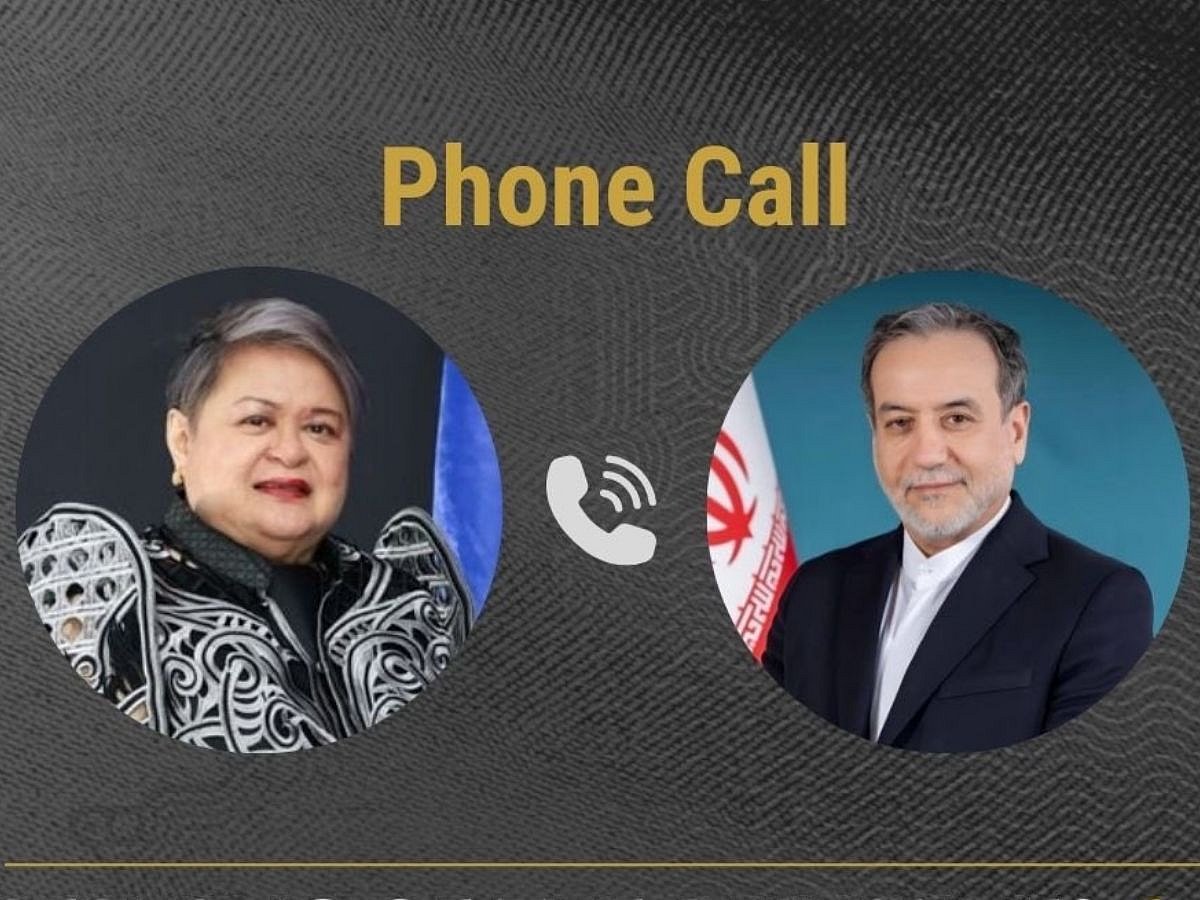
Manila: The Philippines has secured assurances from Iran for the safe passage of its ships and seafarers through the Strait of Hormuz, following high-level diplomatic outreach ordered by Ferdinand Marcos Jr.
Foreign Affairs Secretary Ma. Theresa Lazaro said she held a “very productive” phone call on Thursday (April 2, 2026) with Iranian Foreign Minister Seyed Abbas Araghchi, focusing on strengthening bilateral cooperation and ensuring maritime security.
“During the call, the Iranian Foreign Minister assured the secretary that Iran will allow the safe, unhindered, and expeditious passage through the Strait of Hormuz of Philippine-flagged vessels, energy sources, and all Filipino seafarers,” the Department of Foreign Affairs (DFA) said in a statement.
Critical development
Lazaro described the outcome as a critical development, noting it would help protect Filipino seafarers deployed in the Middle East while safeguarding the country’s energy supply.
In a post on her verified X account, Lazaro said of her phone call with Araghchi: “Building on recent talks, we reached a positive understanding on the safety of our seafarers and the security of our energy supply. Grateful for the warm spirit of cooperation.”
Manila and Tehran also reaffirmed their commitment to “maintaining excellent relations and achieving lasting peace through continued dialogue and diplomacy,” according to the DFA.
The agreement places the Philippines among a growing list of Asian nations granted conditional access through the strategic waterway, a vital global oil chokepoint.
The diplomatic breakthrough followed a series of engagements. Lazaro and Energy Secretary Sharon Garin met Iranian Ambassador Yousef Esmaeilzadeh a day earlier, as Manila moved to formalize its status as a “non-hostile” country under instructions from Marcos.
Palace Press Officer Claire Castro said the Department of Energy is now finalizing the “immediate transmission” of vessel information to Iranian authorities to facilitate safe passage.
Castro added that Esmaeilzadeh noted Tehran “has been awaiting our outreach and reaffirmed their strong willingness to assist the Philippines with our specific requests.”
The Philippines has agreed to route all requests through formal diplomatic channels to speed up coordination.
Despite assurances that fuel supply remains stable through June, Marcos has ordered authorities to secure additional reserves, citing uncertainty from the ongoing Middle East conflict.
The Philippines imports about 98% of its crude oil from the region, making it highly vulnerable to disruptions.
Tensions escalated after strikes by the United States and Israel on Iran triggered a broader conflict, leading to the effective blockade of the Strait of Hormuz — through which roughly one-fifth of global oil supply passes.
Iran has since used control of the waterway as leverage, tying access to political and diplomatic conditions.
While the Philippines is a treaty ally of the United States, it is not directly involved in the conflict and has moved to secure its own energy and maritime interests through diplomacy.
Manila’s negotiations come after several Asian countries had already reached similar arrangements with Tehran.
Transit
On March 26, Araghchi announced that ships from China, Russia, India, Iraq, and Pakistan would be allowed transit.
Malaysia and Thailand soon followed, joining Bangladesh on Iran’s list of “friendly” nations.
Iran has also signaled that Japan and South Korea — despite their close ties to Washington — would be treated as “non-hostile” and allowed passage after coordination.
Tehran maintains that the Strait of Hormuz remains open — but under conditions.
Officials say non-hostile vessels can pass, provided they coordinate with Iranian authorities, a position formally conveyed to both the United Nations Security Council and the International Maritime Organisation.
Meanwhile, French President Emmanuel Macron said on Thursday that it would be "unrealistic" to conduct military operation to liberate the Strait of Hormuz.
(With inputs from Agence France-Presse)
Sign up for the Daily Briefing
Get the latest news and updates straight to your inbox
Network Links
GN StoreDownload our app
© Al Nisr Publishing LLC 2026. All rights reserved.