US, Canada, Mexico adopt unified health measures to combat Ebola virus risk
Joint safeguards target Ebola threat ahead of 2026 World Cup in North America
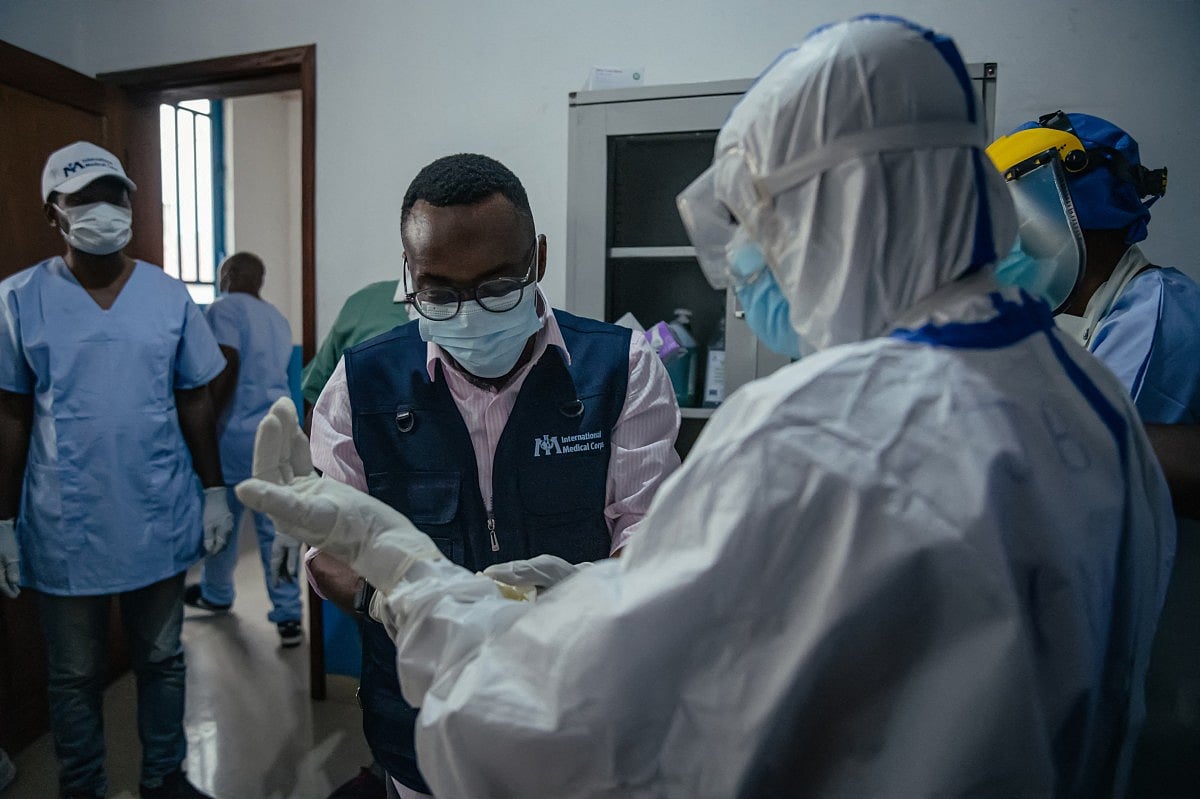
WASHINGTON: The United States, Canada and Mexico have announced aligned public health travel measures for people coming from African regions at the greatest risk from Ebola, they said in a joint statement. The measures are aimed at protecting citizens and visitors during the FIFA World Cup 2026.
"The health and safety of every person in the region remains our highest priority as we welcome the world to North America," they said in the statement, without providing details of the coordinated measures.
Joint statement
The trilateral statement (issued on Thursday, May 28, 2026, the United States, Mexico, and Canada) announced coordinated public health travel protocols. The statement, published on the Canadian government's official website, read:
"The United States, Mexico and Canada have announced aligned public health travel measures for individuals coming from African regions at greatest risk from the Ebola virus. This coordinated approach aims to protect our citizens and the millions of visitors, fans, athletes, and tourists expected during the FIFA World Cup 2026, while maintaining travel and commerce across our borders. The health and safety of every person in the region remains our highest priority as we welcome the world to North America".
The countries emphasised they did not provide specific details about the coordinated measures in the joint statement.
The Ebola outbreak
The World Health Organisation (WHO) declared the Ebola outbreak in the Democratic Republic of Congo (DRC) a "public health emergency of international concern" on May 17, 2026, warning of significant risk of the virus spreading to neighbouring countries.
The outbreak is also affecting Uganda and has raised concerns about South Sudan.
Country-Specific Measures Already Implemented
Country Specific Measures Effective Date
United States
Ban on non-citizens who traveled to DRC, Uganda, or South Sudan; expanded to include green card holders who visited these regions within 21 days
Last week (ban); Friday (expanded to green card holders)
Canada
90-day entry ban on residents from DRC, Uganda, and South Sudan; Canadian citizens, permanent residents, and asymptomatic foreign nationals from affected areas must undergo 21-day quarantine
Entry ban: Wednesday, May 28; Quarantine: Saturday, May 30
Mexico
Stricter Ebola screening protocols at airports; public advised not to travel to DRC; arrivals from DRC requested to adhere to 21-day quarantine
Monday, May 26 (announced by Health Secretary David Kershenovich)
FIFA World Cup 2026 timing
The month-long World Cup event begins next month (June 2026), with games planned across all three host nations.
Canadian Health Minister Marjorie Michel stated the decision was made "in alignment with the U.S. and Mexico" as all three countries begin hosting the 2026 FIFA World Cup games. Immigration authorities have temporarily suspended applications from DRC, South Sudan, and Uganda.
Controversy and WHO warnings
The restrictions have faced criticism: WHO warned against such travel restrictions, suggesting they are "fueled by fear and not rooted in science".
Despite these warnings, the three host nations proceeded with aligned measures, with Canadian officials explicitly citing FIFA as a "key element" in justifying the controversial Ebola-related travel restrictions.
Significance
This represents a coordinated trilateral public health response unprecedented in scope for a sporting event, balancing pandemic preparedness with the logistical demands of hosting the World Cup, which will draw millions of visitors, fans, and athletes across North American borders.
Sign up for the Daily Briefing
Get the latest news and updates straight to your inbox
Network Links
GN StoreDownload our app
© Al Nisr Publishing LLC 2026. All rights reserved.