Cuba’s new crisis explained: From sanctions to showdown fears
Raul Castro’s indictment comes amid blackouts, shortages and growing fears of intervention
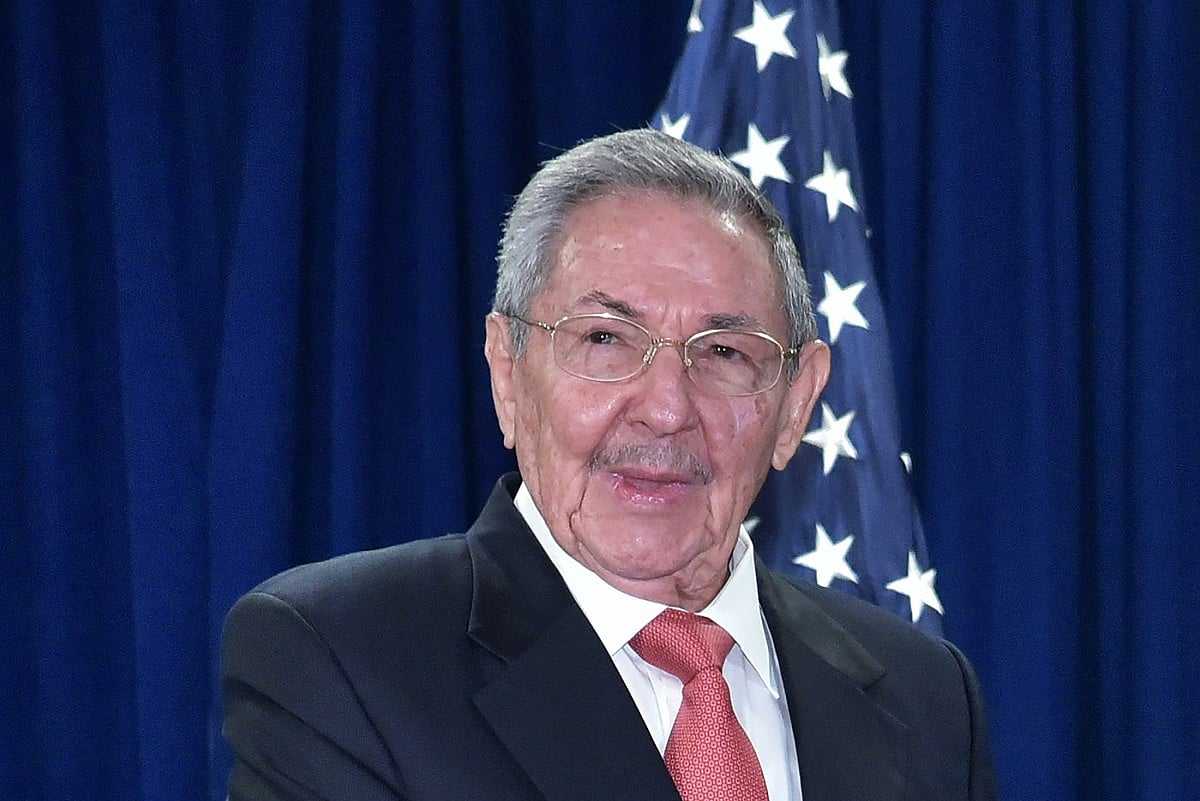
For many outside Latin America, Cuba can feel frozen in time — a communist island associated with Fidel Castro, vintage cars and decades of confrontation with the United States.
But in recent months, Cuba has found itself at the centre of a rapidly escalating geopolitical crisis involving economic collapse, sweeping US pressure, fears of military intervention and now criminal charges against one of the country’s most powerful historical figures.
The latest trigger came this week when the United States indicted former Cuban president Raul Castro on murder and conspiracy charges linked to the 1996 downing of two civilian aircraft flown by anti-Castro exiles.
The move has sharply intensified tensions between Washington and Havana and sparked fears that Cuba could become the next major target of aggressive US interventionist policy.
Why has Raul Castro been indicted?
Raul Castro, now 94, is the younger brother of Fidel Castro, who led Cuba’s communist revolution in 1959 and ruled the country for decades in defiance of Washington. Raul later became president himself and formally handed over power in 2018, though he is still believed to wield considerable influence behind the scenes.
US prosecutors accuse Castro of authorising the 1996 shootdown of two small civilian aircraft operated by “Brothers to the Rescue”, a Miami-based exile group opposed to Cuba’s communist government.
The planes had previously flown over Havana dropping pro-democracy leaflets urging Cubans to rise up against the government. According to US authorities, Cuban MiG fighter jets shot down the unarmed planes over international waters, killing four men aboard.
The indictment includes charges of murder, conspiracy to kill Americans and destruction of aircraft. Acting US Attorney General Todd Blanche said authorities expected Castro to face prosecution “by his own will or by another way”, wording that intensified speculation about possible US action.
Cuba rejects the accusations entirely, insisting the planes violated Cuban airspace repeatedly and that the shootdown was an act of “legitimate self-defense”.
Why are people worried about military intervention?
The indictment itself would normally appear symbolic because it is highly unlikely Castro would voluntarily appear in a US court.
But fears escalated because of what happened earlier this year in Venezuela.
In January, US forces captured former Venezuelan president Nicolas Maduro after Washington used earlier criminal indictments against him to justify military action. Maduro was later transported to New York to face charges.
That precedent has fuelled concern that similar tactics could now be used against Cuba.
US President Donald Trump has repeatedly increased pressure on Havana in recent months. At one point he even suggested the United States could “take over” Cuba if its leadership refused to open the economy to American investment and distance itself from US adversaries.
Although Trump later downplayed immediate escalation, saying Cuba was already “falling apart”, analysts believe the indictment is meant to send a strong warning to Havana’s leadership.
Christopher Sabatini, a Latin America specialist quoted by AFP, said the message was effectively: “We can do to you what we did to Nicolas Maduro.”
How bad is Cuba’s economic crisis?
The political tensions are unfolding against the backdrop of one of Cuba’s worst economic crises in decades.
A major factor is a US oil blockade that has dramatically reduced fuel supplies reaching the island. Cuba has long depended heavily on subsidised Venezuelan oil, but those supplies were disrupted after Maduro’s removal from power.
The consequences inside Cuba have been severe.
Large parts of the island have experienced power outages lasting up to 20 hours a day. Food shortages have worsened. Inflation has soared. Water supplies have become unreliable and piles of uncollected garbage have accumulated in parts of Havana.
For ordinary Cubans, daily life has become increasingly difficult.
Some residents interviewed by AFP described the US pressure campaign as “criminal”, while others voiced fears that military conflict could bring even more suffering to civilians already struggling to survive.
The Cuban government argues Washington is deliberately trying to destabilise the country and create conditions for regime change.
Why does Cuba matter geopolitically?
Despite its relatively small size, Cuba has long held symbolic and strategic importance in global politics.
During the Cold War, Cuba became one of the Soviet Union’s closest allies and hosted Soviet nuclear missiles during the 1962 Cuban Missile Crisis — one of the most dangerous moments in modern history.
Even after the Cold War ended, Cuba remained a powerful symbol of resistance to US dominance in Latin America.
In recent years, Havana has strengthened ties with countries such as China, Russia and Venezuela — relationships that concern Washington.
China reacted strongly to the indictment of Castro, accusing the United States of “brandishing the judicial stick” against Cuba and warning Washington against threats of force.
The timing also raised eyebrows because the USS Nimitz aircraft carrier group recently entered the Caribbean Sea, prompting speculation over whether Washington was increasing military pressure in the region.
Could relations improve again?
Relations between the US and Cuba have swung dramatically over the decades.
Under former president Barack Obama, both countries restored diplomatic relations and reopened embassies after years of hostility. Raul Castro himself participated in those historic talks.
But Trump reversed much of Obama’s outreach during his first presidency and has now intensified pressure even further.
US Secretary of State Marco Rubio — himself the son of Cuban immigrants — has called on Cubans to demand new leadership and a free-market economy, while also offering the prospect of improved relations if political change occurs.
For now, however, tensions appear to be rising rather than easing.
And for many Cubans living through blackouts, shortages and uncertainty, the fear is no longer simply about politics — but about whether the island could once again become the centre of a major international confrontation.
- with inputs from AFP, AP
Sign up for the Daily Briefing
Get the latest news and updates straight to your inbox
Network Links
GN StoreDownload our app
© Al Nisr Publishing LLC 2026. All rights reserved.