RA is an autoimmune form in which the body's immune system mistakenly attacks its own joints
UAE lecturer and new mum of twins recalls start of arthritis at 14: ‘I thought my life was over’
Writing was simply not possible, Dubai PhD candidate, 34, recalls on World Arthritis Day
Last updated:
5 MIN READ
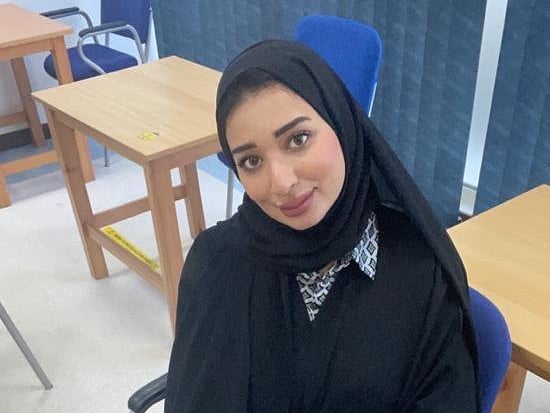
Alya Al Marzooqi shares her inspiring journey of living with arthritis since age 14, balancing motherhood, career, and PhD studies.
Supplied
Ajman: At 14, Alya Al Marzooqi woke up every morning to a body that would not move the way it should. Nobody around her, including the teenager herself, knew why. "There were moments as a teenager when I truly felt my life was over," recalls the Emirati lecturer, now 34 and mother to ten-month-old twin girls.
Today, she is completing her PhD at a university in Dubai, which she expects to finish by the end of 2026. On World Arthritis Day, October 12, she shares with Gulf News how she went from fearing that rheumatoid arthritis (RA) would define her future to learning how to live well with it.
An Ajman resident, Alya's symptoms began at 14, but she was not diagnosed until she was 17. "At that age, I had never even heard of a rheumatologist. All I knew was that something was wrong with my body,” she says.
Get updated faster and for FREE: Download the Gulf News app now - simply click here.
Each day began with severe stiffness, and on some days she could not move at all. The disease affected almost every joint in her body. She lost her appetite and became very thin.
Her father, like the rest of the family, did not understand what was happening and initially assumed she was simply refusing to eat. He asked her to soak her hands in warm water, which helped, but only for about 10 minutes before the stiffness returned.
After around three years, a doctor referred her to a rheumatologist, whose blood tests, including a rheumatoid factor test, confirmed rheumatoid arthritis.
Adapting, not stopping
There were days when she could not even hold a pen. Unable to write, she studied by reading and memorising and still graduated first in her class.
Over time, Alya learnt to understand her body. She is careful with her joints, avoiding strain on her wrists and elbows, sometimes wearing a wrist support and letting her husband step in when a task such as opening a bottle puts too much pressure on her hands.
"They may seem like small adjustments, but they are what allow me to keep doing the things I love,” she says.
RA has not held her back in her studies or career. She earned bachelor's and master's degrees, built her professional life and now lectures while pursuing her PhD on how leaders’ emotional intelligence shapes workplace culture in UAE higher education.
When her condition is stable, she leads a very active life. At one point, she trained at the gym almost every day, and she loves trying new cuisines in the kitchen. Even on difficult days, she keeps moving gently, taking care not to put pressure on her knees.
"Stopping altogether is not an option for me," she says.
Becoming a mother
Motherhood brought some of her toughest moments. While preparing to get married, Alya had to switch from a medication that was not suitable for pregnancy. The new one did not work well for her. Her arthritis worsened, the stiffness returned, she gained a significant amount of weight, and she developed severe plantar fasciitis. At one point, she could barely stand. "It felt as though I was back at square one," she says.
She returned to the doctor who first diagnosed her, who referred her to her current rheumatologist, Dr Ahlam Almarzooqi. She changed her treatment plan and started biological therapy.
When Alya became pregnant with twins, her treatment changed again. She was prescribed Cimzia, a biological treatment considered suitable during pregnancy. Her arthritis remained relatively stable for part of the pregnancy, but the third trimester was extremely tough.
Her weight rose from about 70kg to around 99kg, and her knees struggled to carry it. She was admitted to hospital and developed preeclampsia. "Through it all, what kept me going was the thought of the two babies I was about to bring into the world," she says.
About three months after giving birth, she restarted biological treatment with abatacept. Improvement came gradually, step by step, until she felt like herself again. With a supportive husband, family and help at home, she says, "I know I do not have to do everything alone."
Living with arthritis
Her language has changed along with her health. "When I was younger, I used to say I was suffering from arthritis," she says. "Today, I choose my words deliberately. I am living with arthritis." Accepting that RA is a chronic disease, she no longer asks why it is happening to her, and focuses on how to adapt her body and lifestyle instead.
Faith has been a source of strength for Alya. Before pregnancy, she often told her mother she would never have children because of her arthritis. Her mother always reminded her that the condition should never become a burden or a reason to believe she could not become a mother.
Her message to others suffering from RA is that a diagnosis does not mean you have to stop living; it means you have to adapt. "I do not want people to look at someone with arthritis and assume they cannot study, work, exercise, have children or lead an active life," she says.
World Arthritis Day event
Arthritis is a group of conditions that cause joint pain, swelling and stiffness, and RA is an autoimmune form in which the body's immune system mistakenly attacks its own joints. It affects about half a billion people worldwide, yet its physical, emotional and economic impact on everyday life is often underestimated.
Dr Humeira Badsha, founding member of the Middle East Arthritis Foundation (MEAF), said conditions such as RA and ankylosing spondylitis are autoimmune and that early diagnosis is "critical" to managing them, avoiding joint damage and preventing long-term disability.
"With the right treatment, practical lifestyle guidance and a supportive community, people can manage their condition with confidence and continue pursuing the goals that give their lives meaning," she said.
To mark the day, MEAF will host its annual World Arthritis Day community event from 8am to 4pm on October 24 at the Shangri-La Hotel, Dubai. Inspired by the global Achieve Your Dreams theme, it will encourage people with arthritis to pursue their goals through earlier diagnosis, informed care and stronger community support.
MEAF has collaborated with the Emirates Society for Rheumatology this year, with Dr Amel Ginawi leading public awareness for the Society and stressing the importance of early diagnosis. Attendees can join a practical nutrition workshop led by a clinical dietitian, as well as sessions on Tai Chi, accessible dance, mental resilience and sound healing.
Network Links
GN StoreAbout Gulf NewsTerms & ConditionsReach by GNSitemapContact usPrivacy PolicyGN FocusHave your sayWork with usAdvertise with usGulf News epaperPrinting Services
Download our app
© Al Nisr Publishing LLC 2026. All rights reserved.