Dubai Metro expansion: All you need to know
Dh2 billion project will add two stations on a 3km route to Al Maktoum Airport by 2031.
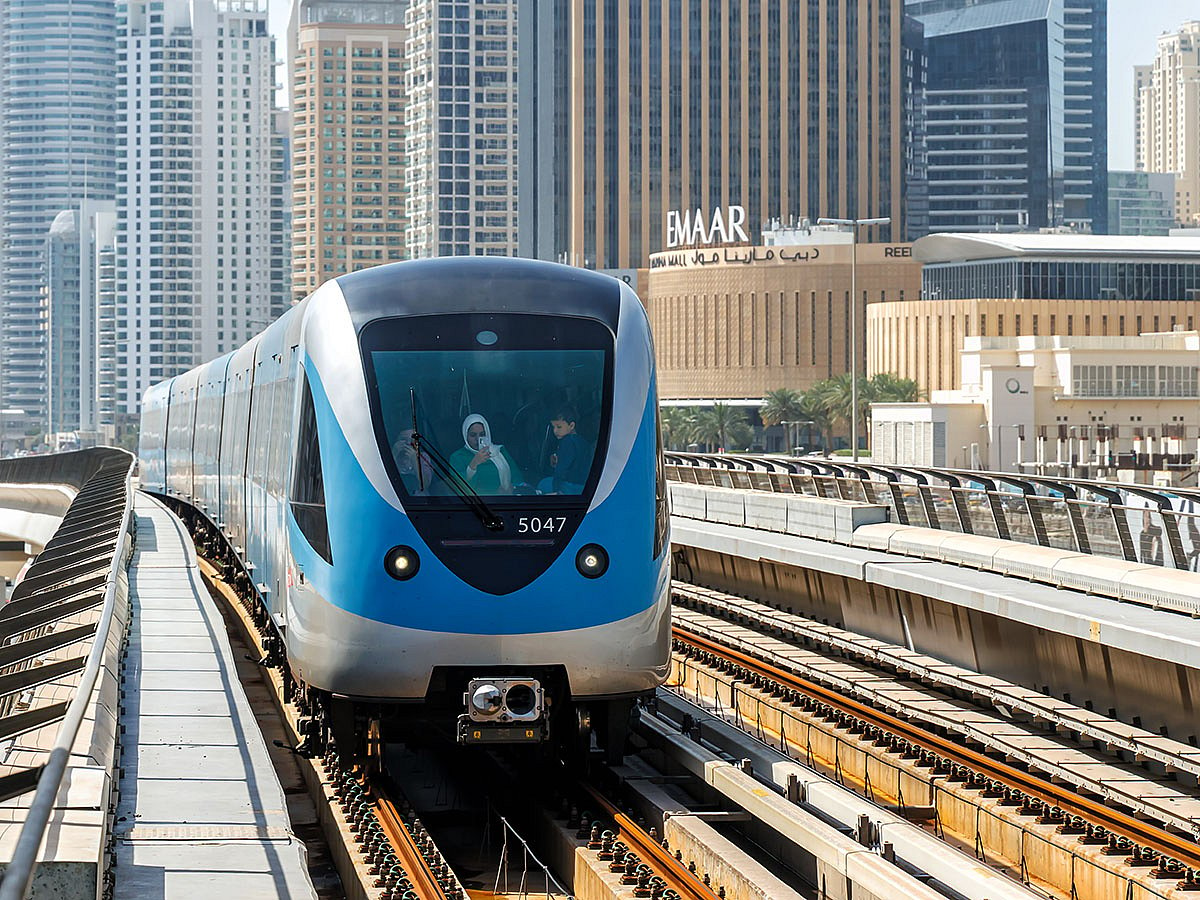
Dubai: Dubai Metro will be extended by three kilometres with two new stations to connect Al Maktoum International Airport City by 2031, under a Dh2 billion project approved by Sheikh Hamdan bin Mohammed bin Rashid Al Maktoum, Crown Prince of Dubai, Deputy Prime Minister and Minister of Defence of the UAE, and Chairman of The Executive Council of Dubai.
The new extension will link the existing Route 2020 to Al Maktoum International Airport City, providing a direct connection to the airport’s West Terminal and improving access for millions of future passengers, airport employees and visitors.
The project will also integrate Dubai Metro with the airport express line and Etihad Rail’s high-speed rail network, creating a major transport interchange that will make travel between the airport and other parts of Dubai easier and more convenient.
The extension is scheduled to begin operations in 2031 and will be developed jointly by Dubai’s Roads and Transport Authority (RTA) and the Dubai Engineering Projects Establishment.
The announcement was made on Tuesday during a meeting of The Executive Council of Dubai, chaired by Sheikh Hamdan as part of the UAE Annual Government Meetings 2026.
Major projects
The meeting approved major infrastructure and community development projects worth more than Dh11 billion, including a Dh9.59 billion plan to expand community services and public facilities across Dubai through 2040.
The Metro extension forms part of Dubai’s long-term strategy to develop Al Maktoum International Airport into the world’s largest airport and strengthen the emirate’s position as a global aviation hub.
By connecting the airport to the wider public transport network, the project is expected to reduce reliance on private vehicles, improve traffic flow on surrounding roads and provide easier access to residential, commercial and business districts.
The integration with the airport express line and Etihad Rail’s high-speed network will also allow passengers to move more conveniently between different modes of transport.
Future growth
Sheikh Hamdan said the extension reflected Dubai’s commitment to developing infrastructure capable of supporting future growth.
“Al Maktoum International Airport City is one of our most significant strategic projects, reinforcing Dubai’s position as a global aviation hub. The extension is part of an integrated transport system that matches the ambitions of this global project,” he said.
“We continue to invest in infrastructure that anticipates future aspirations, connects the emirate and strengthens Dubai’s competitiveness.”
Dh9.59 billion for community facilities
Alongside the Metro expansion, The Executive Council approved a comprehensive Dh9.59 billion plan to develop public services and community facilities across Dubai until 2040.
The plan will prioritise residential neighbourhoods for Emirati citizens while ensuring that essential services keep pace with population growth and urban expansion.
It covers healthcare facilities, schools, sports infrastructure, safety and security services, amenities for senior Emiratis and public spaces for family and community activities.
The initiative will be implemented in phases under the supervision of the Supreme Committee for Urban Planning in Dubai, in coordination with Dubai Municipality.
Sheikh Hamdan said improving people’s quality of life remained central to Dubai’s development plans.
“The stability and prosperity of our community remain our priority. We approved a comprehensive plan to develop integrated public services and facilities that foster social cohesion. Our goal is for the people of Dubai to experience the benefits of the city’s growth in their everyday lives,” he noted.
365,000 new homes by 2030
The Executive Council also approved the findings of a Dubai Land Department study examining the future of the emirate’s property market.
The study projects the development of 365,000 additional residential units and approximately 1.1 million square metres of office and retail space by 2030.
It also highlights strong occupancy levels across Dubai’s property market, with residential occupancy at 97 per cent, retail occupancy at 98 per cent and office occupancy at 94 per cent.
The findings will help guide future development, support investment decisions and maintain a balance between property supply and demand.
The study supports the Dubai Real Estate Sector Strategy 2033, which aims to double the sector’s contribution to the emirate’s GDP to Dh73 billion, increase real estate transaction volumes by 70 per cent and bring the market’s total transaction value to Dh1 trillion.
It also targets doubling the value of real estate portfolios to Dh20 billion.
Sheikh Hamdan said Dubai’s property market continued to demonstrate resilience, supported by investor confidence and diverse investment opportunities.
New investment policy
The Executive Council also approved an investment policy for endowments and minors’ funds managed by the Endowment and Minors’ Trust Foundation in Dubai, known as Awqaf Dubai.
The policy aims to strengthen asset management, diversify investments and generate sustainable returns for beneficiaries.
Endowment assets in Dubai reached Dh13.5 billion in 2025.
By 2030, the new policy targets an increase of Dh10 billion in the value of the real estate portfolio and growth of more than 35 per cent in the securities portfolio.
Investments will cover residential, commercial, healthcare, industrial and educational projects, as well as exhibition and sports facilities.
The meeting was attended by Sheikh Maktoum bin Mohammed bin Rashid Al Maktoum, First Deputy Ruler of Dubai, Deputy Prime Minister and Minister of Finance of the UAE, and Sheikh Ahmed bin Mohammed bin Rashid Al Maktoum, Second Deputy Ruler of Dubai.
Network Links
GN StoreDownload our app
© Al Nisr Publishing LLC 2026. All rights reserved.