UAE foundation launches mobile eye clinics in Morocco and Mozambique
Initiative will bring vision checks, treatment and cataract surgery to rural communities
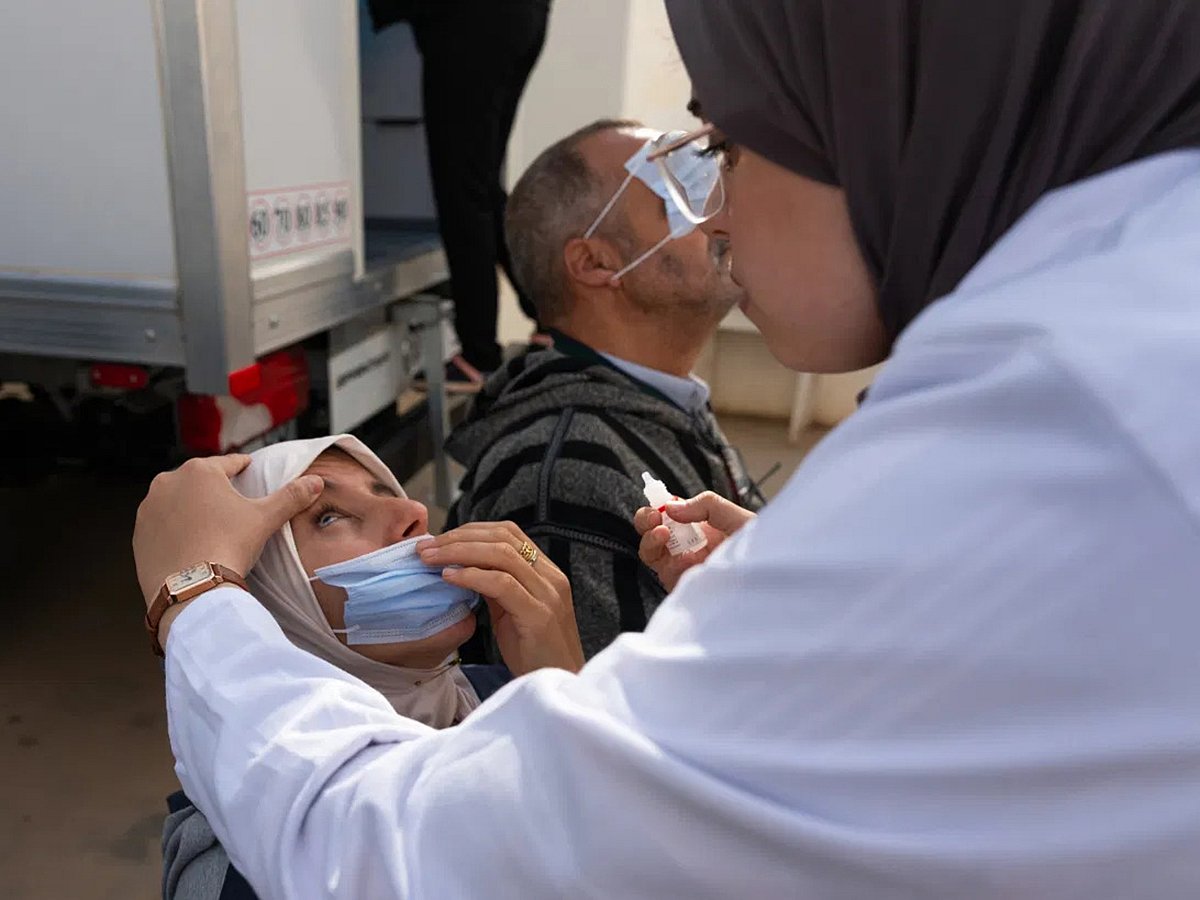
Abu Dhabi: The Mohamed bin Zayed Foundation for Humanity has launched the first phase of a mobile eye care programme in Morocco and Mozambique, bringing screening, diagnosis and treatment closer to people in rural communities.
The initiative aims to reach areas where long distances and limited access to healthcare often prevent people from getting their eyes checked or receiving timely treatment.
Working with the health ministries of both countries, the foundation will deploy mobile clinics offering vision screening, diagnosis and treatment for common eye conditions. The programme will also support cataract surgeries for patients who need them.
Get updated faster and for FREE: Download the Gulf News app now - simply click here.
The clinics are expected to serve around 15,000 people in Morocco and Mozambique during the first six months. They will work as part of the countries’ existing healthcare systems, with patients requiring specialist treatment referred to government health facilities.
The launch was marked by events in both countries, attended by senior government officials.
In Morocco, attendees included Mhamed Atfaoui, Wali of the Oriental Region and Governor of Oujda-Angad Prefecture, and Dr Ahmed Oudich, Regional Director of Health and Social Protection for the Oriental Region.
In Mozambique, the launch was attended by First Lady Gueta Chapo, Health Minister Ussene Isse and Mansour Mohamed Ali Aljuwaied, the UAE Ambassador to Mozambique.
Sheikh Shakhboot bin Nahyan Al Nahyan, UAE Minister of State, said the initiative reflected the UAE’s commitment to making healthcare more accessible to people who need it.
“Working hand in hand with the governments of Morocco and Mozambique, these mobile clinics will bring sight-saving care directly to rural communities, so that distance is no longer a barrier to treatment,” he said.
He added that the programme would help thousands of people lead healthier and more productive lives.
Tackling preventable vision loss
The initiative addresses a major global health challenge. At least 2.2 billion people worldwide live with some form of vision impairment, with most cases found in low- and middle-income countries.
Of these, at least one billion people have vision loss that could have been prevented or treated, but lack access to basic eye care.
Poor eyesight can affect almost every part of daily life. Children may struggle to learn in school, while adults can find it harder to work, earn a living and remain independent. Timely treatment, including prescription glasses and cataract surgery, can help restore sight and improve a person's ability to study, work and take part in society.
The economic benefits can also be significant. According to the foundation, every dollar invested in eye health can generate up to $28 in economic returns.
Mozambique’s First Lady Gueta Chapo said eye health was closely linked to education, economic activity and people's ability to participate fully in society.
“Eye health is not merely an isolated medical issue, it is an essential pillar of human development, education and economic productivity,” she said.
Building on national health programmes
The mobile clinics will support existing efforts by both governments to reduce preventable blindness and improve access to treatment.
In Morocco, the Ministry of Health and Social Protection is working to extend healthcare services beyond major cities. Health Minister Youns Bjijou said the partnership would help bring eye care to rural communities and ensure patients received timely checks and treatment.
He said the initiative supported the country's wider efforts to strengthen its health system and improve access to quality care, in line with the vision of King Mohammed VI.
Mozambique is also working to tackle preventable blindness through a national eye health plan. Health Minister Ussene Isse said the priority was to ensure people could receive examinations and treatment without having to make long journeys or wait unnecessarily.
He welcomed the foundation’s support, saying the partnership would help turn the government’s plans into lasting improvements for local communities.
Dr Shamma Khalifa Al Mazrouei, Director General of the Mohamed bin Zayed Foundation for Humanity, said many cases of vision loss could be prevented with straightforward treatment, but such services remained out of reach for millions.
She said the programme would work with local health workers to identify and treat common eye conditions, provide glasses and arrange cataract surgery where needed.
In Morocco, cataract operations will be carried out with the support of a mobile surgical unit. In Mozambique, the foundation will work with local health facilities to operate on patients identified during clinic screenings.
Sign up for the Daily Briefing
Get the latest news and updates straight to your inbox
Network Links
GN StoreDownload our app
© Al Nisr Publishing LLC 2026. All rights reserved.