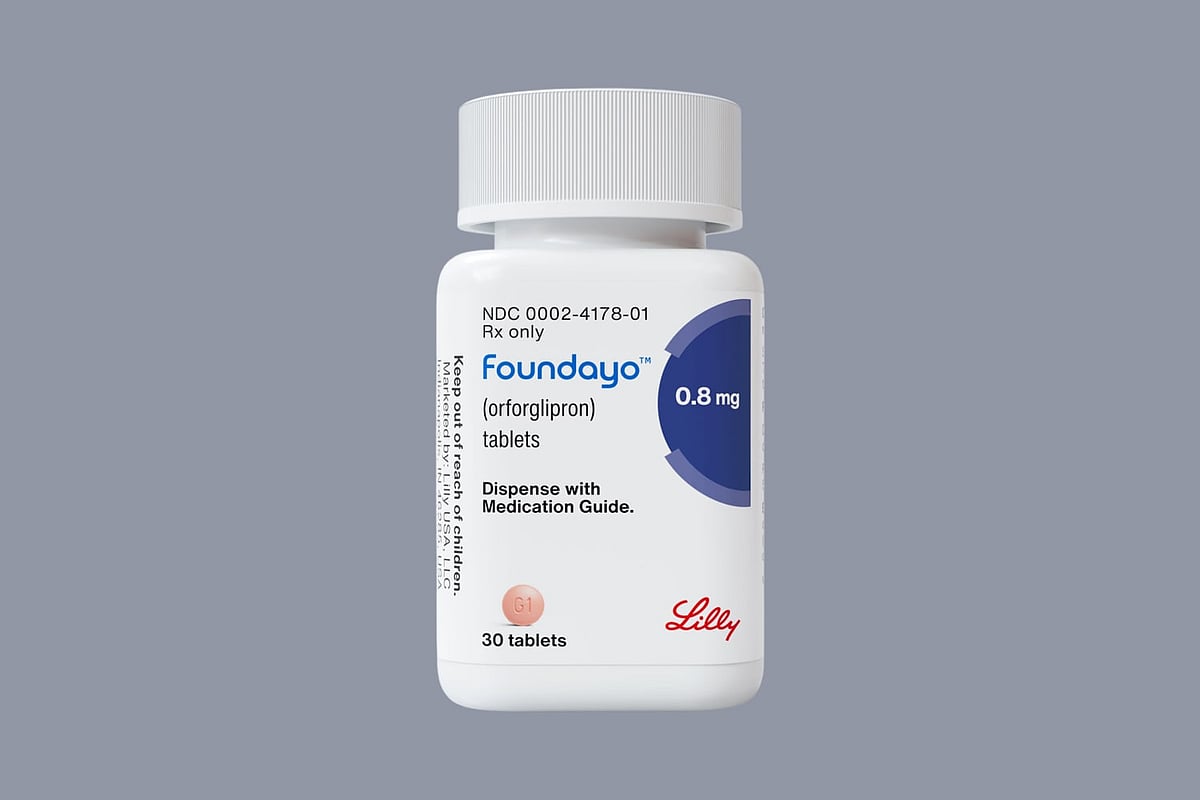
In a significant step forward for public health, the Emirates Drug Establishment has approved a new oral treatment for obesity, positioning the UAE among the first countries globally to adopt the latest pharmaceutical innovations targeting chronic weight management.
The medication, Foundayo (orforglipron), developed by Eli Lilly and Company, is the first once-daily pill of its kind that can be taken without restrictions on food or water. It marks a shift in how obesity can be treated, particularly for patients seeking alternatives to injectable therapies.
A growing global challenge
Obesity continues to be one of the most pressing health challenges worldwide, affecting more than one billion people. In the UAE, the issue has been a key focus for health authorities, given its strong links to chronic conditions such as type 2 diabetes, heart disease and certain cancers.
Medical experts increasingly stress that obesity is not simply a lifestyle issue, but a complex, chronic disease influenced by genetic, biological and environmental factors. Yet public perception has not fully caught up. A recent Ipsos global study found that nearly two-thirds of people living with obesity still believe diet and exercise alone are sufficient to manage the condition.
How the new treatment works?
Orforglipron belongs to a class of medicines known as GLP-1 receptor agonists, which work by regulating appetite and metabolism. By helping patients feel fuller for longer and reducing overall food intake, the treatment supports gradual and sustained weight loss when combined with lifestyle changes.
Clinical trials have demonstrated encouraging results. Patients taking the highest dose achieved an average weight reduction of up to 12.4 per cent, bringing oral treatments closer to the effectiveness typically associated with injectable options.
Importantly, the convenience of a once-daily pill is expected to improve patient adherence. Unlike some existing treatments that require injections or strict timing, orforglipron offers greater flexibility, making it easier to incorporate into daily routines.
UAE at the forefront
Health authorities say the approval reflects the UAE’s proactive approach to tackling obesity and expanding access to advanced treatments. By accelerating the availability of innovative medicines, the country aims to enhance patient outcomes and reduce the long-term burden of chronic disease.
Officials have also highlighted the importance of integrating such therapies into a broader care model. The new treatment is intended to complement — not replace — healthy lifestyle habits, including balanced nutrition and regular physical activity.
Changing perceptions
Encouragingly, awareness around obesity as a medical condition is growing in the UAE. Studies show that a high percentage of residents living with obesity are actively considering steps to manage their weight, and the use of prescription treatments is already above the global average.
Experts believe that innovations like orforglipron could help further shift perceptions, reinforcing the understanding that obesity requires long-term medical care similar to other chronic diseases.
Dr. Tony Joseph (right), Consultant Endocrinology, Burjeel Day Surgery Center, Shahama, said: “Orforglipron marks a turning point in obesity care, offering a once-daily pill with weight loss approaching that of injectable therapies. Current oral options typically achieve modest results, around 3–8% weight loss and are often limited by side effects or short-term use. In contrast, Orforglipron works via the GLP-1 pathway, regulating appetite and metabolism to deliver 8–12% weight loss in clinical trials. Its oral form improves accessibility, making treatment easier to prescribe and accept. Beyond clinical impact, such therapies are reshaping perceptions of obesity. By addressing underlying biology, they reinforce that obesity is a chronic, treatable disease much like diabetes or hypertension requiring long-term, sustained care rather than short-term lifestyle fixes.”
Meanwhile, Roberta Marinelli (left), President and General Manager for Eli Lilly, META Hub, has previously said the new once-daily oral treatment provides an additional option for people living with obesity, supporting disease management approaches. She added that making the treatment available in the UAE following its approval by the Emirates Drug Establishment enables eligible patients to benefit from it as part of available treatment options.
Looking ahead
The treatment is expected to become available to eligible patients in the UAE from May 2026, offering a new option for those seeking medically supported weight management.
As healthcare systems continue to evolve, the introduction of convenient and effective therapies may play a crucial role in improving outcomes — and in changing how obesity is understood and treated across society.

Sign up for the Daily Briefing
Get the latest news and updates straight to your inbox
Network Links
GN StoreDownload our app
© Al Nisr Publishing LLC 2026. All rights reserved.