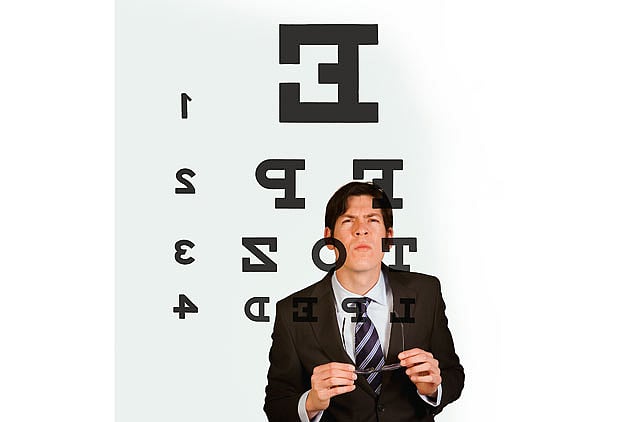
Globally, 285 million people are visually impaired; of that 39 million are blind and 246 million have low vision, according to the World Health Organisation. While there is a scarcity of data on blindness in the Middle East and North Africa (Mena), it is estimated that some 22 million people in the region suffer from visual impairment and more than three million are blind.
However, many people fail to understand that approximately 80 per cent of all visual impairment can be avoided or cured. In the region, cataracts, diabetic retinopathy, trachoma, corneal scars and uncorrected refractive errors are major causes of blindness or visual impairment. Each one of these conditions can be treated or avoided.
Cataracts remain the primary cause of blindness, accounting for 60 per cent in almost all Mena countries and affecting about 20 million people. A cataract causes the lens of the eye to become cloudy, which impairs vision and can lead to blindness. It can be treated via a surgical procedure — which removes the cloudy lens — usually performed under local anaesthesia, enabling the patient to return home the same day. But lack of awareness, difficulty in reaching specialised ophthalmologists and, in some countries, lack of funds remain roadblocks.
On the rise
Diabetic retinopathy is an increasing cause of blindness in the Middle East. The improved socio-economic conditions, with the increased intake of sugar and carbohydrates, have led to an acute rise in diabetes incidence. The complications of diabetes, including diabetic retinopathy, have increased dramatically in the past two decades. Diabetic retinopathy is caused by damage to blood vessels of the retina. If left untreated, it can lead to blurred vision, shadows across the field of vision and a slow loss of sight. It can be prevented by closely monitoring blood sugar, blood pressure and cholesterol levels and by not smoking. Laser or eye surgery is mainly used to treat retinal areas affected by abnormal blood vessel growth. Diabetics should have regular check-ups with an ophthalmologist to ensure early detection.
There are wide variations regionally in trachoma's prevalence and severity. The active disease has been almost wiped out in the Middle East, but there are still hotspots in rural, less developed communities. It does not cause instant blindness, but repeated infection causes scarring of the cornea, in-turning of the eyelashes and severe inflammation of the eye, ultimately leading to blindness. Antibiotics and surgery can treat those infected, while improving the environment and facial cleanliness stop the infection from spreading or returning.
Corneal scars, which create a haze on the cornea and prevent light from penetrating the eye, are significant contributors to visual disability in the region. They are caused by infection or a trauma to the eye. While they are treatable via a corneal transplant, there is a lack of eye banks in the region that have the capacity to meet demand for the operation.
Dislike for glasses
In the region there has been some cultural reluctance to wear glasses, which has led to refractive errors becoming a leading cause of vision loss. If children are not treated at the correct time, they can develop irreversible visual impairment. Parents should look for signs whether their children have difficulty seeing, including difficulty in reading, whether they are sitting close to the television, squinting, unable to read the board at school and have frequent headaches. A good eye test mothers can perform at home is to check children's photos at birthday parties — both eyes should have a red glow, also known as a red reflex, which is a normal finding. Raising public awareness of these issues is a key step towards eradicating avoidable blindness in the Middle East.
Sign up for the Daily Briefing
Get the latest news and updates straight to your inbox
Network Links
GN StoreDownload our app
© Al Nisr Publishing LLC 2026. All rights reserved.