Etihad Rail Passenger Station in Mohammed Bin Zayed City, Abu Dhabi,
Etihad Rail launches UAE passenger services on Abu Dhabi–Fujairah route June 30
Phased rollout to link Abu Dhabi, Dubai, Sharjah and Fujairah by 2027
Last updated:
6 MIN READ
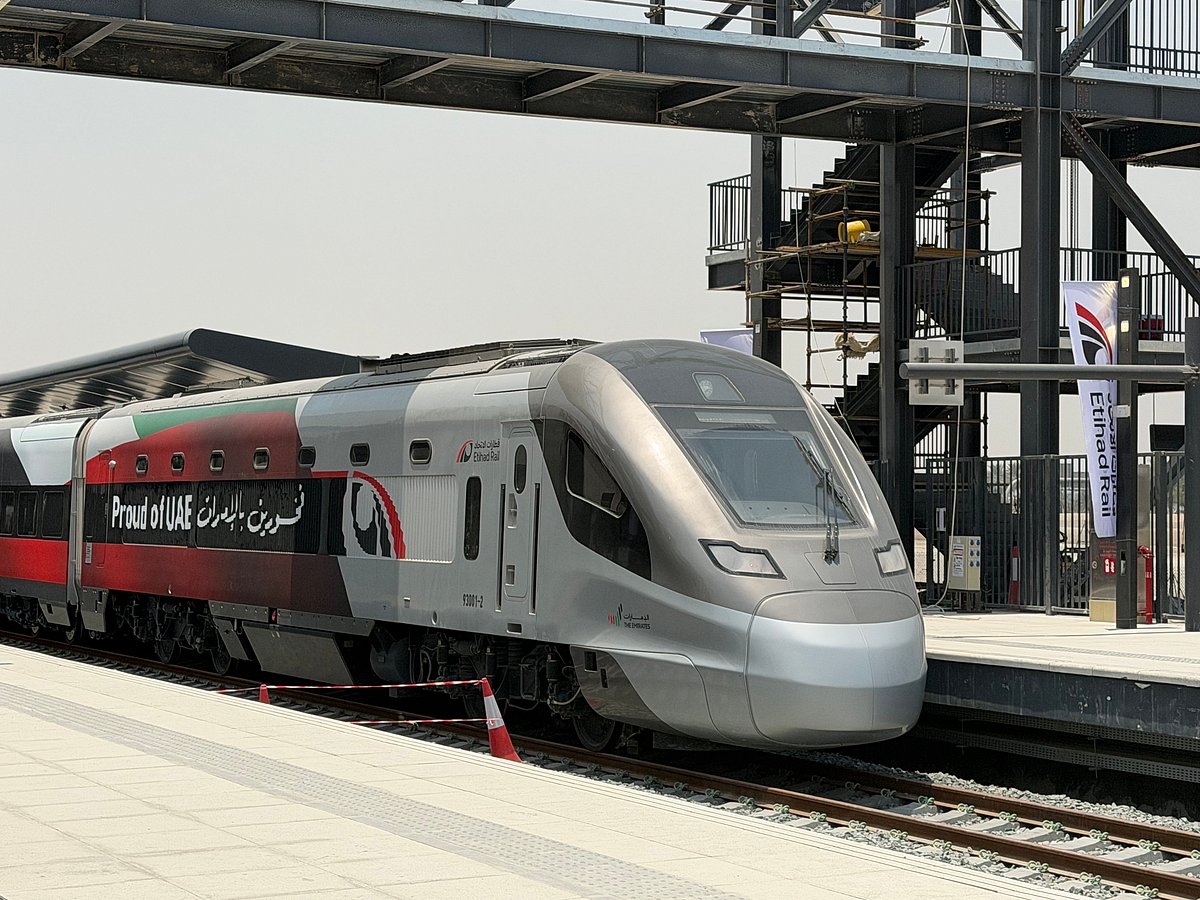
Etihad Rail Passenger Station in Mohammed Bin Zayed City, Abu Dhabi,
Afra Alnofeli/Gulf News
Abu Dhabi: The trial operation of Etihad Rail’s passenger services between Abu Dhabi and Fujairah will commence on June 30, with a journey time of approximately 1 hour and 45 minutes. Dubai Station and Al Dhaid Station are scheduled to open on September 30, 2026, while stations in the Al Dhafra region will begin operations on December 30, 2026. The passenger rail network will subsequently extend to Sharjah Station on March 30, 2027.
At a press conference attended by Adhraa Al Mansoori, Executive Director of Commercial, Etihad Rail Mobility, and Max Taylor, Position: Commercial Director, Etihad Rail Mobility, Etihad Rail has officially inaugurated the Etihad Rail Passenger Station in Mohammed Bin Zayed City, Abu Dhabi, heralding a new phase in the nation’s transportation sector with the launch of passenger services on the federal railway network.
The initiative forms part of the Etihad Rail project, one of the UAE’s largest strategic infrastructure developments.
The opening of the Abu Dhabi passenger station represents a historic milestone in the evolution of the UAE’s transport system. It marks the transition from freight rail operations to passenger transportation services, enhancing connectivity among the Emirates and supporting the country’s economic, urban, and tourism development plans for decades to come.
This achievement comes less than five years after the UAE accelerated the implementation of its National Railway Programme in 2021, a strategic national project that has received strong support from the UAE leadership as a cornerstone for building a modern, sustainable transportation network connecting all regions of the country.
Abu Dhabi Station: The first gateway for passenger journeys
The Mohammed Bin Zayed City Station serves as the first major passenger hub within the Etihad Rail network. Designed to the highest modern standards, it offers seamless integration with other modes of transport, including buses, taxis, and smart mobility services.
The station is expected to accommodate thousands of passengers daily and features comprehensive facilities, including waiting areas, digital services, and smart ticketing systems, ensuring a modern, safe, and efficient travel experience.
Transport specialists view the station’s inauguration as a transformative development in domestic mobility, providing a fast and comfortable alternative to road travel between the Emirates while reducing reliance on private vehicles along key transport corridors.
Etihad Rail Passenger Station in Mohammed Bin Zayed City, Abu Dhabi,
When will the remaining stations open?
According to the project’s implementation roadmap, passenger services will be introduced gradually through successive phases, including the opening of major stations across several Emirates.
During the initial stages, the network is expected to include stations in Abu Dhabi, Dubai, Sharjah, and Fujairah, in addition to other strategically located stations along the main railway corridor.
The phased rollout is intended to ensure the readiness of infrastructure and operational systems while maintaining high service standards before full-scale expansion across all destinations.
Transportation experts anticipate an accelerated pace of station openings in the coming years as connectivity between major cities, economic centers, and tourism destinations continues to expand.
Etihad Rail Passenger Station in Mohammed Bin Zayed City, Abu Dhabi,
What about other areas of the UAE?
The Etihad Rail project extends far beyond connecting Abu Dhabi and Dubai. It is a fully integrated national railway network stretching from Ghuweifat in the west to Fujairah on the eastern coast.
A wide range of cities and regions are expected to benefit from the project, including:
● Al Ain
● Ruwais and Al Dhafra
● Dubai
● Sharjah
● Ajman
● Umm Al Quwain
● Ras Al Khaimah
● Fujairah
The railway will provide a more efficient mode of transportation for citizens, residents, and visitors, while supporting domestic tourism and facilitating daily commuting for employees and students between cities.
Experts believe the project will reshape demographic and economic mobility patterns across the UAE by significantly reducing travel times and strengthening integration between urban, industrial, and commercial centers.
Etihad Rail Passenger Station in Mohammed Bin Zayed City, Abu Dhabi,
Tickets prices
Ticket pricing is expected to be determined by several factors, including:
● Distance between stations
● Travel class
● Time of travel
● Additional passenger services
Etihad Rail aims to maintain competitive fares compared to the costs associated with private vehicle use and other transport options, particularly for frequent inter-emirate travel.
Transport analysts emphasize that the project’s long-term success will depend on achieving the right balance between affordability and service quality, encouraging widespread adoption of rail travel as a primary transportation option.
Broad economic and development benefits
The significance of Etihad Rail extends well beyond transportation services, offering substantial economic and developmental advantages, including:
● Strengthening links between economic and industrial zones
● Supporting domestic and international tourism
● Enhancing the efficiency of the national transport system
● Reducing traffic congestion on major highways
● Lowering carbon emissions and supporting sustainability goals
● Increasing the UAE’s attractiveness to local and foreign investment
The project is also expected to stimulate real estate development around major stations and create new employment opportunities across transportation, logistics, operations, and maintenance sectors.
Future expansion plans
The long-term vision for Etihad Rail positions the current network as the first phase of a broader project aimed at enhancing both domestic and regional connectivity.
Future development plans under consideration include:
● Expanding the number of passenger stations in emerging urban areas
● Increasing the frequency of daily services
● Enhancing tourism and leisure-related rail offerings
● Advancing multimodal transport solutions and integration with public transport networks
● Exploring future regional connectivity with GCC railway systems
Infrastructure experts believe the project will become one of the key pillars of the UAE economy in the coming decades, particularly as the country continues to prioritize sustainability and smart transformation within the transportation sector.
A landmark moment in the history of UAE transportation
The inauguration of the Etihad Rail Passenger Station in Mohammed Bin Zayed City marks the beginning of a new chapter in the UAE’s transportation history. Following the successful operation of the national freight rail network, the country is now entering the era of modern passenger rail services.
As additional stations and services are progressively introduced in the years ahead, Etihad Rail is expected to become one of the UAE’s most important modes of transportation, strengthening connectivity among the Emirates, supporting economic growth, and reinforcing the nation’s position as a global model for smart and sustainable infrastructure development.
Partnership between Etihad Rail and Keolis
Passenger rail services will be operated by Etihad Rail Passenger Services, the joint venture between Etihad Rail and Keolis, one of the world’s leading passenger transport operators. This partnership combines extensive international expertise in railway operations with national capabilities in transport sector management, creating an exceptional operating model that enhances service quality and delivers a world-class passenger experience in line with the highest international standards.
Passenger rail stations will also offer a comprehensive hospitality experience, featuring cafés, restaurants, retail outlets, and international brands, in addition to onboard dining options. These services are designed to provide an integrated travel experience that combines comfort and convenience while meeting the expectations of citizens, residents, visitors, and investors, in accordance with the highest standards of excellence in the transportation and logistics sectors.
Key information
The introductory phase of passenger rail services between Abu Dhabi and Fujairah will commence on 30 June, with a journey time of just 1 hour and 45 minutes.
Dubai Station and Al Dhaid Station are scheduled to open on 30 September 2026, while stations in the Al Dhafra Region will begin operations from 30 December 2026. The passenger rail network will then be further expanded with the opening of Sharjah Station on 30 March 2027.
The launch of the passenger rail network marks a new chapter in the development of the UAE’s national infrastructure. It goes beyond the traditional concept of transportation by establishing an integrated urban and economic connectivity network linking population centres, business hubs, and tourism destinations across the country.
As part of the initial rollout, passenger services between Abu Dhabi and Fujairah will begin on 30 June, reducing travel time to only 1 hour and 45 minutes. This will be followed by the opening of Dubai and Al Dhaid stations on 30 September 2026, as well as Al Dhafra stations on 30 December 2026, before the network reaches Sharjah with the inauguration of Sharjah Station on 30 March 2027.
Expansion of the Passenger Rail Network
As part of the project’s next phase, feasibility studies will be conducted to evaluate the expansion of the passenger rail network to cover the remaining emirates and regions of the UAE. This initiative reflects the country’s vision of developing a fully integrated national transportation system that supports sustainable development and strengthens connectivity across the nation.
Ticket prices on the Abu Dhabi–Fujairah route will start from Dh55 in the Comfort Class and Dh120 in the Premium Class. The network will be served by a fleet of 13 trains, each with a capacity of up to 400 passengers.
Customers will be able to book journeys and purchase tickets through a variety of convenient channels, including the Etihad Rail mobile application and the official website, starting from 23 June 2026.
Sign up for the Daily Briefing
Get the latest news and updates straight to your inbox
Network Links
GN StoreAbout Gulf NewsTerms & ConditionsReach by GNSitemapContact usPrivacy PolicyGN FocusHave your sayWork with usAdvertise with usGulf News epaperPrinting Services
Download our app
© Al Nisr Publishing LLC 2026. All rights reserved.