UAE urged to rethink waste focus beyond plastics
Experts say organic waste poses bigger challenge for circular economy
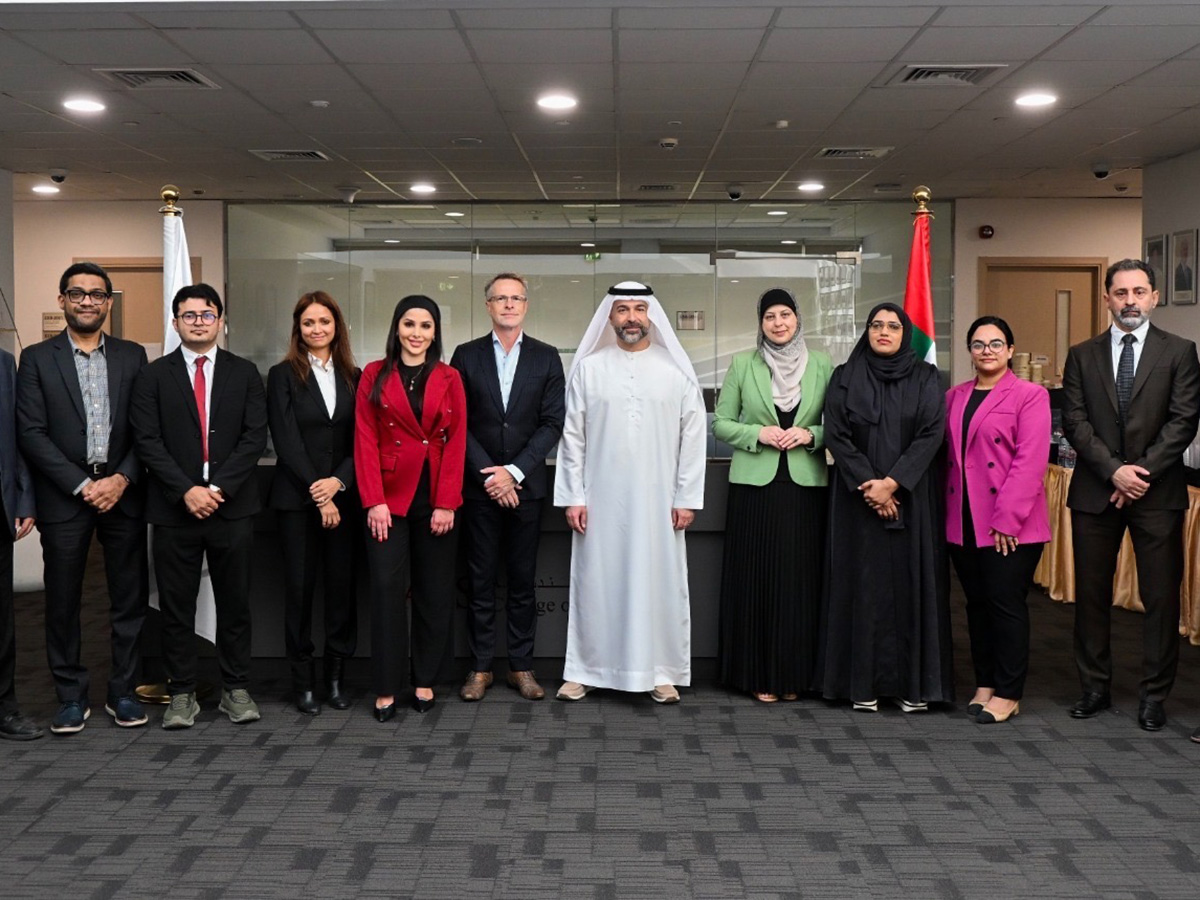
A recent roundtable at American University of Sharjah has called for a shift in how the UAE approaches sustainability, with experts saying organic waste - not plastics - may be the bigger challenge for the country’s circular economy plans.
The discussion, held in collaboration with Emirates Biotech, brought together government officials, industry leaders and academics. Participants agreed that while plastic waste remains a concern, organic waste needs far greater attention.
Get updated faster and for FREE: Download the Gulf News app now - simply click here.
A larger share of waste
Experts said organic waste makes up around 40% of total municipal waste in the UAE, yet it is still not fully addressed in policies and infrastructure.
Globally, about one billion tonnes of food waste are produced every year, compared to around 400 million tonnes of plastic waste. Despite this, public debate and policy efforts often focus more on plastics.
Officials noted that when food waste is sent to landfill, it produces methane - a greenhouse gas with a far stronger impact on climate change than carbon dioxide over time.
System gaps remain
Participants said the issue is not just about waste volumes, but also how it is managed. In many cases, organic waste is still collected with other materials, reducing the chances of proper recycling or composting.
They added that contamination from plastics and other materials affects compost quality, making it harder to reuse.
There was also discussion around compostable materials, often seen as a solution. Experts said these can work, but only if proper systems are in place to collect and process them.
Without clear separation at source, they warned, even compostable products may end up in landfill.
Call for stronger action
The roundtable highlighted the need to move from policy planning to stronger implementation. Experts said voluntary efforts alone may not be enough to change behaviour.
Measures such as landfill fees and stricter rules on waste separation could help reduce the amount of waste sent to landfill.
There were also calls to develop local standards for compostable materials to ensure they match the UAE’s infrastructure and conditions.
Opportunity for growth
Officials said improving organic waste management also presents an economic opportunity. Developing local industries around bio-based materials could support national strategies such as Operation 300bn.
At the same time, universities and research centres were seen as key partners in testing solutions and supporting policy development.
Focus on next steps
Experts agreed that several steps are needed to improve the system. These include mandatory waste separation, better infrastructure for processing organic waste, and pricing policies to encourage improved practices.
They said the UAE has already made progress in sustainability, but the next phase will require a stronger focus on implementation.
The discussion concluded that the success of the country’s circular economy will depend not just on reducing waste, but on how effectively it is managed at the source.
Sign up for the Daily Briefing
Get the latest news and updates straight to your inbox
Network Links
GN StoreDownload our app
© Al Nisr Publishing LLC 2026. All rights reserved.