Best Perseid meteor shower since 2018 will light up UAE skies: Where to watch
Peak dates, best viewing spots and simple tips to catch nature's biggest sky show
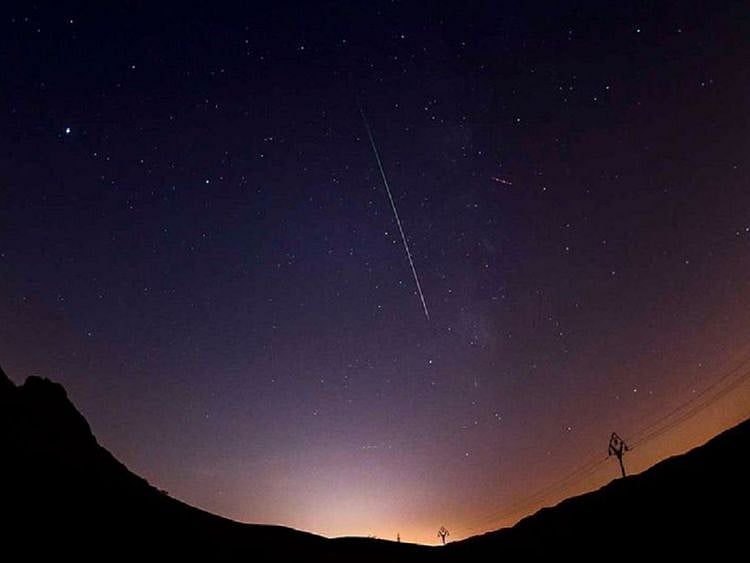
One of the year's most-loved stargazing events is nearly here, and 2026 is shaping up to be a particularly good year for it.
The Perseid meteor shower returns as Earth ploughs through a trail of debris left behind by comet Swift-Tuttle. Under ideal conditions you can catch anywhere from 60 to 100 meteors an hour, no telescope or binoculars needed, just your eyes, a dark spot and a little patience.
Timings for the showers
The shower is active from mid-July through late August, but the real spectacle lands on the night of Wednesday 12 August into the pre-dawn hours of Thursday 13 August. Those are the dates to circle.
For the best of it, aim for the small hours. Rates climb after midnight and peak between roughly 2am and 4am, when the shower's radiant point sits highest in the sky.
The most exciting part about the event is...the 2026 peak lines up almost exactly with a new moon, so there's going to be no moonlight to wash out some of the fainter streaks. It's being called the best viewing window in years, the last comparable alignment was 2018, and the next won't come around until 2029. With the moon out of the skies, even dimmer meteors that normally vanish into the glow should be visible, and on the darkest nights the even the Milky Way may arch overhead as a backdrop.
Get updated faster and for FREE: Download the Gulf News app now - simply click here.
Where to go and how to watch
You genuinely don't need any equipment, the Perseids are visible to the naked eye. What you do need is darkness. Get well away from city lights, give your eyes around 30 minutes to fully adjust, and resist checking your phone, that bright screen resets your night vision every time. Bring something to lie back on so you can take in as much of the sky as possible.
Where to watch across the UAE
Abu Dhabi: Al Quaa Milky Way Spot. Considered the darkest location in the country, with virtually zero light pollution, which makes it the gold standard for any stargazing event. It's remote, so you'll want a 4x4 and some desert-driving confidence to reach it.
Dubai: Al Qudra Desert. Open skies close to the city, and a regular venue for Dubai Astronomy Group events, including moonrise sessions with lectures and astrophotography tips.
Sharjah: Al Faya, Mleiha National Park. Mleiha National Park is hosting a dedicated Perseid stargazing event at the Al Faya archaeological site, one of the most popular stargazing destinations in the country, welcoming astronomy enthusiasts, families and nature lovers alike.
Ras Al Khaimah: Jebel Jais. The UAE's highest peak, where the elevation often lifts you clear above any low-lying cloud entirely.
Fujairah: Wadi Shawka. Rugged mountain terrain with clear, unpolluted skies.
Ajman: Al Zorah Nature Reserve. Open coastal views set away from the brightest city lights.
Umm Al Quwain: Umm Al Quwain Beach. Unobstructed views straight out over the Arabian Gulf.
Wherever you head, check with the relevant authorities for the latest access and safety guidance first.
If clouds roll in
Don't call the night off. Cloud cover in the UAE tends to gather near the coast, so heading inland gives you better odds. Elevated mountain spots like Jebel Jais or Jebel Hafeet often sit above the cloud line entirely, and even partly cloudy skies can make for atmospheric viewing as meteors flash between the gaps.
Network Links
GN StoreDownload our app
© Al Nisr Publishing LLC 2026. All rights reserved.