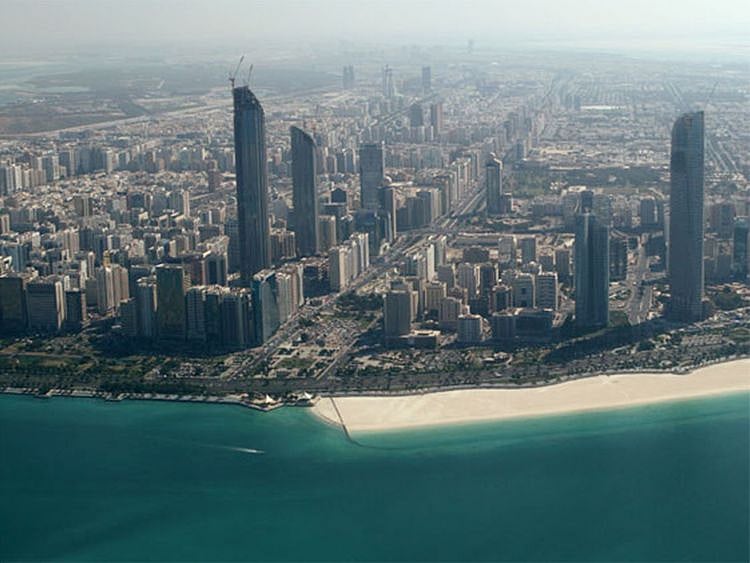
Abu Dhabi: Abu Dhabi is evolving into a globally significant, institution-led business hub, but sustaining that growth will require firms to invest in permanent local capabilities, not simply establishing a presence or buying more technology.
Nagham Hassan, Market Analyst at etoro said “The most underestimated security costs are usually not the products themselves, but the people, processes and recovery capabilities around them.”
As global finance and technology firms expand in the capital, executives say the real cost of growth lies in local talent, regulation, infrastructure and operational resilience.
From a place to visit to a place to work
Across asset management, cybersecurity and digital assets, executives interviewed by Gulf News pointed to the same shift.
“Historically, international managers visited Abu Dhabi to pitch the sovereign wealth funds and then returned home, managing the capital from London or New York. Now they are setting up offices, which means capital is being managed directly from Abu Dhabi rather than abroad,” Hassan added.
She said Abu Dhabi Global Market (ADGM) had more than 190 asset and fund managers overseeing 276 funds in the first half of 2026. The value of assets they managed was 54 per cent higher than a year earlier. This growth has continued every year since 2022, showing that it is a long-term shift rather than the result of one strong year.
But a permanent footprint brings costs beyond office space and staffing, with cybersecurity emerging as a critical, and often underestimated, part of the investment.
Cybersecurity costs more than the software
CPX, Abu Dhabi headquartered cybersecurity company, says companies often misjudge the real cost of cybersecurity by focusing on products and licences rather than the capabilities around them. AI makes this more urgent.
Hadi Anwar, CEO of CPX said, “The most underestimated security costs are usually not the products themselves, but the people, processes and recovery capabilities around them.”
However, establishing an office or buying new technology is only the starting point. Sustainable growth requires companies to place decision-makers in the city, hire specialist teams, build regulated functions and invest in the systems that allow them to operate through market and technology shocks.
A report by CPX, IDC and Microsoft found that 80 per cent of UAE chief information officers expect AI to pay off within two years.
Meanwhile, 98 per cent of security teams have already faced an AI-related risk in live systems. Only 10 per cent of organisations set their security requirements before choosing an AI product.
According to Anwar, for anyone planning 2027 budgets, the hidden costs of an attack can include investigations, specialist help, legal and regulatory duties, communications and lost business.
Ongoing costs include staff training, round-the-clock monitoring, recovery tests and cyber drills. Risks from suppliers, cloud services and AI can add surprise bills if ignored.
For existing businesses, Anwar says that Progress should be measured by improvements in cyber maturity, such as how quickly an organization can detect threats, contain incidents, and restore critical services, rather than by the number of tools purchased or the amount spent.
Regulation is part of the business, not just a hurdle
The same goes for digital-asset firms. Karl Naim, who leads XBTO’s Middle East business, says rules on compliance, licensing and risk touch everything the firm does, from trading and custody to asset management. Every new product, type of client or country brings more oversight, so these costs rise as the business grows.
Naim says newcomers often underestimate two things. The first is how long it takes before any money comes in. Firms must get approval, build their regulated teams and pass checks first.
The second is talent. People who understand both financial regulation and digital assets are rare and expensive.
“I would advise a finance leader to model the ramp-up conservatively, treat expert hires as a core budget line, and separate fixed regulatory costs from variable growth spend,” he said, as he shared his advice for 2027. “Protect the fixed layer first, because it keeps you licensed and credible whatever the market does, then flex the rest as conditions change.”
Abu Dhabi has shown it can attract the world’s institutions. The next test is whether their offices here grow into full operating centres, and whether the talent, trading, regulation and security around them become strong enough to keep that capital and capability in the city.
Sign up for the Daily Briefing
Get the latest news and updates straight to your inbox
Network Links
GN StoreDownload our app
© Al Nisr Publishing LLC 2026. All rights reserved.