Sheikh Mansour bin Zayed Al Nahyan, a member of the Abu Dhabi royal family, has owned Manchester City since 2008
Pep Guardiola leaves behind a Manchester City dynasty built on Abu Dhabi ambition
The Spaniard is expected to leave the club at the end of the season ending a historic run
Last updated:
4 MIN READ
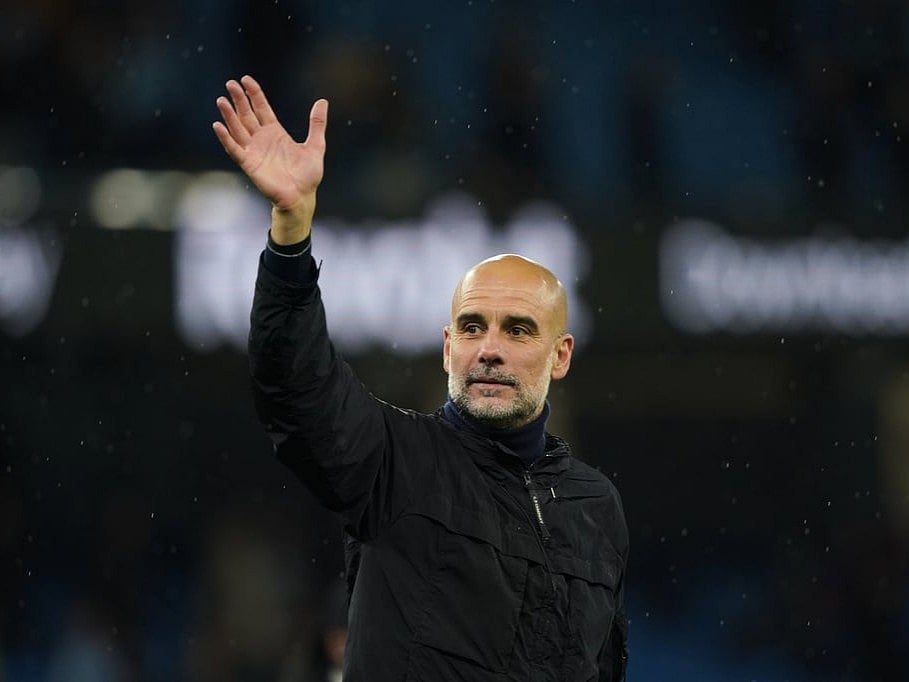
Manchester City are expected to say goodbye to their most successful coach ever at the end of the season
Dubai: Reports suggesting that Manchester City manager Pep Guardiola could leave the club at the end of the season mark the potential closing of one of the most transformative eras in modern football.
Guardiola’s time in charge set against the backdrop of Abu Dhabi ownership, has already reshaped the global game in ways few could have predicted when the project began.
The modern Manchester City story began in 2008, when the club was acquired by Abu Dhabi United Group under Sheikh Mansour bin Zayed Al Nahyan.
At the time, City were a club with limited success and modest expectations compared to England’s traditional powerhouses, however the takeover changed that within a few short years.
Backed by significant investment, the club rapidly evolved its ambitions, infrastructure, and global reach, laying the foundation for what would become one of football’s most dominant forces.
Over the years that followed, Manchester City underwent a complete transformation. Investment flowed into elite playing squads, world-class training facilities, and a restructured footballing philosophy.
The club’s rise was not just about spending power, but about building a long-term system designed for sustained success. This included the creation of the City Football Group, a multi-club network that expanded City’s influence across continents and reinforced Abu Dhabi’s growing footprint in global sport.
Manchester City coach Pep Guardiola at Emirates Palace in Abu Dhabi
Yet it was the arrival of Guardiola in 2016 that elevated the project to unprecedented heights. Already regarded as one of the greatest tactical minds in football, Guardiola brought a philosophy that perfectly matched City’s ambitions.
His emphasis on positional play and technical excellence turned the team into a relentless winning machine.
Under Guardiola, City not only collected domestic trophies, but redefined what dominance looked like in the Premier League era.
Six Premier league titles have been secured so far with record-breaking points totals, goal tallies, and winning streaks also acquired along almost a decade of dominance.
The pinnacle came in 2023 when the Spaniard managed the club to their first UEFA Champions League title, completing a historic treble-winning season. It was a moment that cemented both Guardiola’s legacy at the club and the success of the broader Abu Dhabi-backed project.
With their triumph in Europe, City were no longer just English champions, they had become European and global heavyweights.
The legendary manager secured the club's first ever UEFA Champions League trophy in 2023
Beyond the pitch, Manchester City’s growth under Abu Dhabi ownership and Guardiola’s leadership has had a major impact in the Middle East, particularly in the UAE.
The club has built a strong and deeply rooted presence in the region, supported by years of investment in community programmes, branding, and football development. This connection has helped turn City into one of the most widely followed European clubs across the Gulf.
A key driver of this presence has been the partnership with Etihad Airways, whose branding is synonymous with the club through stadium naming rights and shirt sponsorship. This relationship has further strengthened City’s identity in Abu Dhabi and beyond, linking the footballing success directly with the UAE’s global sporting ambitions.
The club has also invested heavily in grassroots football development through its City Football Schools programme, which operates across Abu Dhabi and Dubai.
Launched in Abu Dhabi in 2012, the initiative has since expanded significantly, becoming one of the most established youth football networks in the region. It includes major locations such as Zayed Sports City, Emirates Palace Mandarin Oriental, and sessions hosted at New York University Abu Dhabi, alongside programmes in Dubai-based schools including Dubai British School Mira and Nord Anglia International School Dubai.
Manchester City runs numerous youth academies and community programmes in the UAE
The network also includes partnerships like the Al Jazira Junior Academy powered by City Football Schools, as well as elite pathways such as the Talented Player Programme designed to identify and develop the region’s most promising young talent.
These initiatives have helped embed Manchester City into the sporting fabric of the UAE, creating a long-term pipeline for football engagement and development.
Combined with global success on the pitch thanks to Guardiola’s efforts, they have made the club one of the most recognisable European teams in the region, alongside giants such as Real Madrid and Barcelona.
If Guardiola does depart at the end of the season, he will leave behind more than just trophies. What began as an Abu Dhabi-backed transformation in 2008 became one of the most dominant dynasties the sport has ever seen.

Rob is an experienced sports reporter with a focus on digital publishing. He holds both an undergraduate and master’s degree in sports journalism and has hands-on experience in presenting and commentary. Rob has previously worked in the communications teams at Premier League clubs Everton and Brentford FC. While football is his main passion, he enjoys all sports and loves sharing his enthusiasm with anyone he meets.
Sign up for the Daily Briefing
Get the latest news and updates straight to your inbox
Network Links
GN StoreAbout Gulf NewsTerms & ConditionsReach by GNSitemapContact usPrivacy PolicyGN FocusHave your sayWork with usAdvertise with usGulf News epaperPrinting Services
Download our app
© Al Nisr Publishing LLC 2026. All rights reserved.