The IPL is still able to attract international talent such as the likes of Australian international Pat Cummins
IPL sees 26% drop in TV viewership in 2026 - But why?
The most famous cricket league in the world has seen viewership decline
Last updated:
3 MIN READ
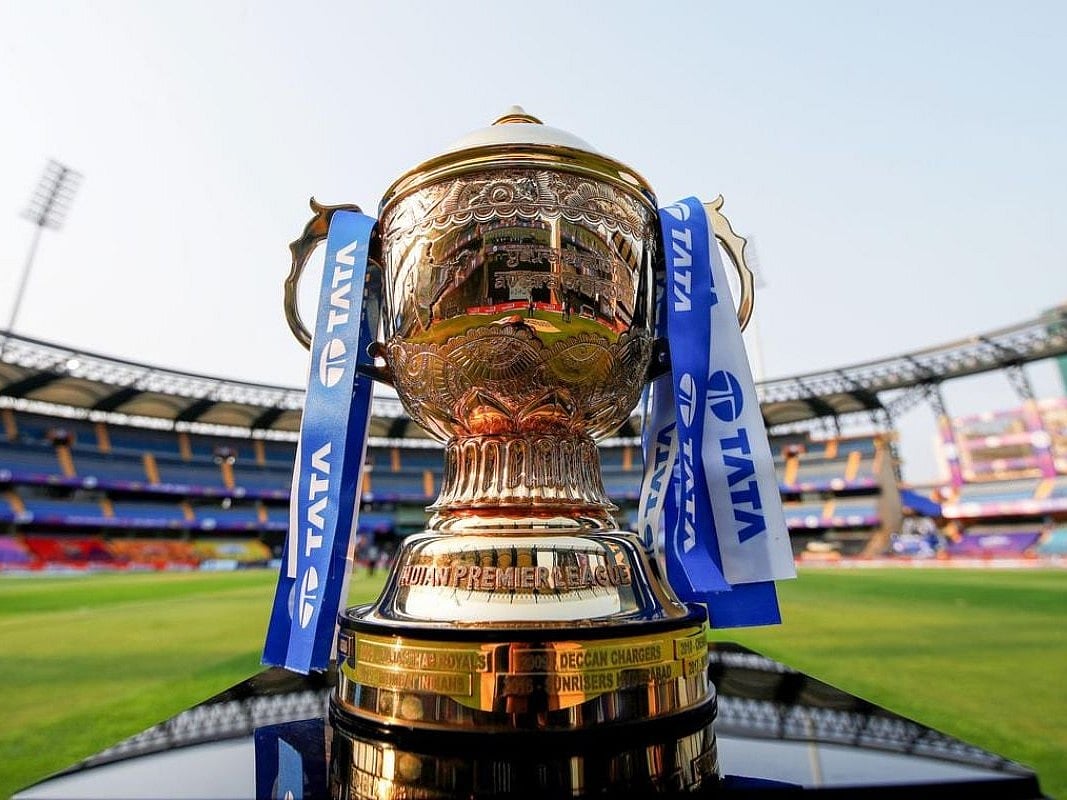
The Indan Premier League Season 19 has seen a drop off in TV viewership
X
Dubai: The Indian Premier League (IPL) has long stood as the undisputed powerhouse of franchise cricket, a competition that redefined the global game with its star-studded line-ups, blockbuster entertainment, and unmatched commercial success.
Yet, even the most dominant sporting properties are not immune to shifting audience trends, and IPL 2026 has begun to reflect a subtle change in viewer engagement.
Despite its status as the world’s premier T20 competition remaining largely unchallenged, the BCCI now has a growing concern on its hands.
The ongoing 19th season has recorded a noticeable dip in audience engagement, with the latest figures indicating a significant downturn.
According to data from BARC India and TAM Sports, the first half of IPL 2026 has seen TV ratings fall by 18.8%, while average viewership has declined by 26%, raising questions about shifting viewer interest in the tournament’s current phase.
Importantly, the IPL has not been lacking in star power or entertainment value to drive viewership.
The league continues to feature marquee domestic names such as Virat Kohli and Rohit Sharma, alongside top international stars like Pat Cummins and Jos Buttler, ensuring every match carries significant pulling power.
In fact, the overall quality of cricket has arguably reached new heights, with 200-plus totals no longer considered safe in the world’s most competitive T20 league.
This makes the recent dip in viewership even more puzzling, raising questions about what factors could be influencing audience trends.
Audience fatigue from long-term dominance
One major factor is simple viewer saturation. The IPL has been the dominant cricket product for nearly two decades, and while it remains highly popular, audiences can become less responsive over time when the format, schedule intensity, and overall product feel familiar season after season.
IPL was welcomed to the world nearly two decades ago
Even with elite entertainment value, repeated consumption can gradually reduce “must-watch” urgency, especially during the league phase where matches can feel routine compared to play-offs or rival international fixtures.
Real Money Gaming Ban
The Indian government banned real money gaming platforms, classifying them as gambling, which significantly reshaped IPL advertising and fan engagement. The move removed apps like ‘Dream11’ and ‘My11Circle’, which had become more than just sponsors, they actively drove viewer interest and interaction. Many fans even tuned in specifically to follow their fantasy teams, a dynamic that is absent in IPL 2026.
Fans are not able to bet on any of the games anymore
With RMG brands no longer part of the ecosystem, advertising slots have become more concentrated, and viewers are more likely to switch channels during breaks, contributing further to reduced engagement and overall viewership.
Fragmented viewing habits and digital competition
Another key reason is the shift in how people consume content. Fans are no longer tied to traditional TV broadcasts, with many moving toward highlights, short clips, and streaming platforms. At the same time, attention is heavily split across football leagues, global tournaments, esports, and short-form entertainment on social media.
This fragmentation means even a product as big as the IPL is now competing in a much more crowded entertainment ecosystem, which naturally impacts live TV viewership numbers.

Rob is an experienced sports reporter with a focus on digital publishing. He holds both an undergraduate and master’s degree in sports journalism and has hands-on experience in presenting and commentary. Rob has previously worked in the communications teams at Premier League clubs Everton and Brentford FC. While football is his main passion, he enjoys all sports and loves sharing his enthusiasm with anyone he meets.
Sign up for the Daily Briefing
Get the latest news and updates straight to your inbox
Network Links
GN StoreAbout Gulf NewsTerms & ConditionsReach by GNSitemapContact usPrivacy PolicyGN FocusHave your sayWork with usAdvertise with usGulf News epaperPrinting Services
Download our app
© Al Nisr Publishing LLC 2026. All rights reserved.