Why every child should grow a plant
A small pot of greenery can teach patience, responsibility and a lifelong love of nature
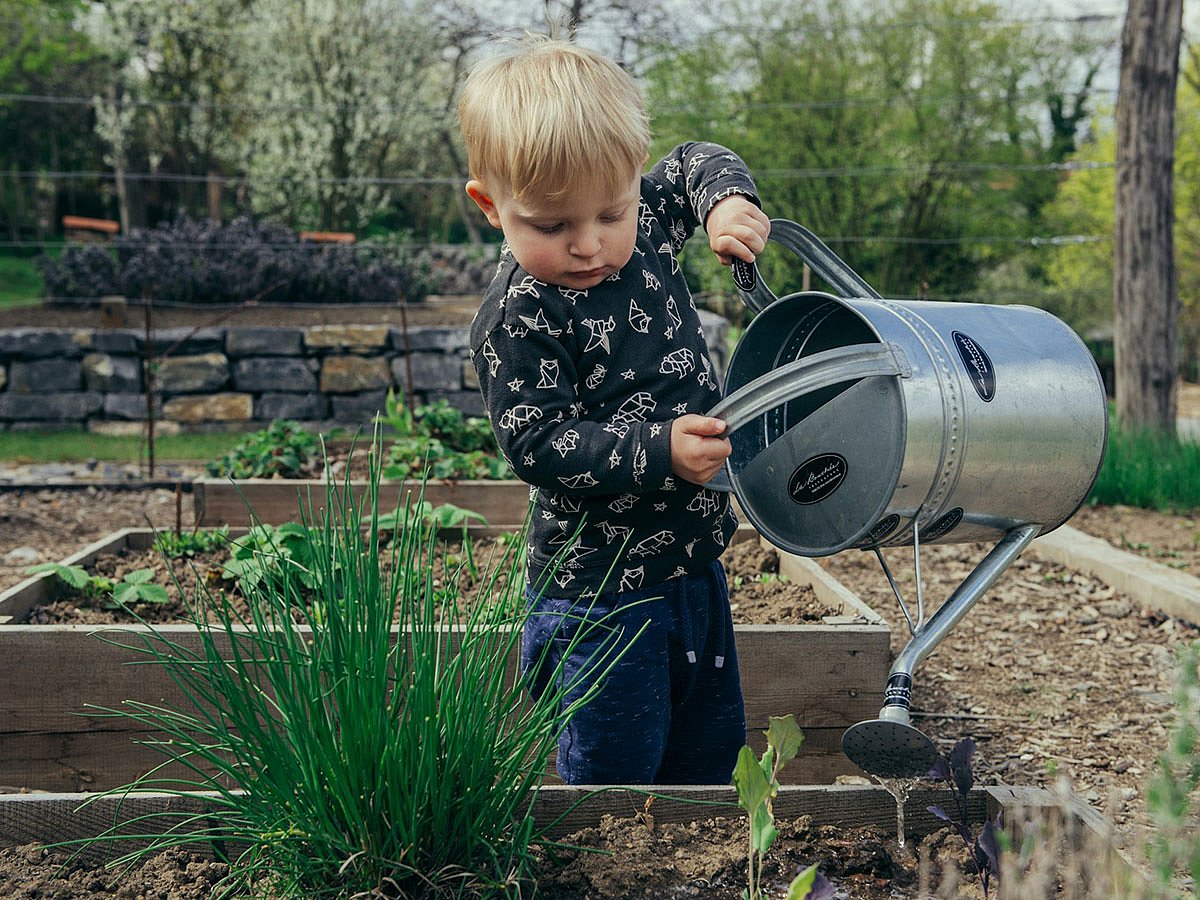
In an age where children can effortlessly nurture virtual farms, collect digital pets and build imaginary worlds with the swipe of a finger, perhaps the greatest gift we can offer them is something wonderfully real - a small patch of soil, a clay pot, a watering can and a living plant entrusted entirely to their care.
Gardening may appear to be an old-fashioned pastime but hidden beneath its simplicity are some of life’s most enduring lessons. Every seed planted is also an opportunity to sow responsibility, patience, resilience and respect for the natural world.
One of the greatest misconceptions is that gardening requires a large backyard. In reality, all it takes is a little space and a willingness to nurture life. The UAE offers a surprisingly wide variety of indoor and outdoor plants that flourish with the right care. Whether it is a leafy indoor plant brightening a living room, fragrant herbs thriving on a kitchen windowsill, colourful flowering plants adorning a balcony or hardy succulents basking in the sunshine, there is something for every home. Whether you live in a villa or an apartment, every child can have a small green corner to call their own. A labelled pot, a watering can and a few minutes of care each day can become the beginning of a lifelong appreciation for the living world.
Unlike most things children encounter today, plants cannot be rushed. They do not respond to instant gratification. They refuse to bloom because someone wishes them to. They teach that growth follows its own rhythm, a lesson increasingly difficult to learn in a world built around immediate results.
Consistency matters
When a child becomes responsible for a plant, something remarkable happens. They begin to understand that living things depend on consistency. Watering cannot be postponed indefinitely. Sunlight matters. Soil matters. Neglect has consequences. Soon, watering a plant is no longer another household chore. It becomes a commitment. Children also experience the quiet wonder of transformation. A tiny seed breaks through the earth. Tender shoots emerge. New leaves unfurl. Buds appear almost unnoticed before bursting into colour. Nature becomes a living classroom where every day offers a new discovery.
At a time when concerns about excessive screen time dominate family conversations, gardening offers a refreshing alternative. It gently pulls children away from devices without making it feel like punishment. Digging, watering, observing butterflies, watching bees at work or simply sitting beside growing plants engages all the senses in ways no screen ever can. Unlike digital entertainment, nature does not overstimulate. It calms. It invites children to slow down, to observe, to wonder and to simply be present.
Help from the family
Families can make the experience even more meaningful by introducing a little friendly competition. Imagine each sibling receiving a plant of their own, carefully labelled with their name. Over weeks and months, dinner-table conversations shift from game scores and social media trends to whose flowers bloomed first, whose herbs have grown taller or why one plant is thriving while another needs a little more attention.
Gardening also reconnects children with a truth that modern living often obscures, we are not separate from nature but deeply connected to it. The butterfly visiting a flower, the earthworm enriching the soil, the changing seasons, the first rain and the earthy fragrance after watering a plant all remind children that they are participants in a much larger ecosystem.
Benefits for mental wellbeing
These are lessons that cannot be downloaded.
Research consistently points to the benefits of gardening for children’s mental wellbeing, attention span and emotional regulation. Yet perhaps its greatest contribution is even more profound. It teaches children to become caretakers rather than consumers.
A child who has patiently nurtured a tiny sapling into a thriving plant is far more likely to appreciate the value of trees, understand the importance of biodiversity and respect the environment. Environmental stewardship begins not with grand speeches about climate change, but with muddy hands, curious minds and a watering can.
As parents search for meaningful ways to prepare children for an uncertain future, they often look towards coding classes, robotics workshops and enrichment programmes. These certainly have their place. But perhaps every child also deserves something far simpler - a plant that depends on them, a garden that teaches without lecturing and a daily reminder that the most beautiful things in life cannot be hurried; they can only be nurtured.
Every child deserves at least one plant to care for - not because the world needs more gardens, but because the world needs more people who know how to nurture life.
Dr Sheeba Jojo is an educator living in the UAE
Sign up for the Daily Briefing
Get the latest news and updates straight to your inbox
Network Links
GN StoreDownload our app
© Al Nisr Publishing LLC 2026. All rights reserved.