UAE and Germany: Building a partnership for the next 50 years
Trade, energy, technology and security are drawing the two nations closer
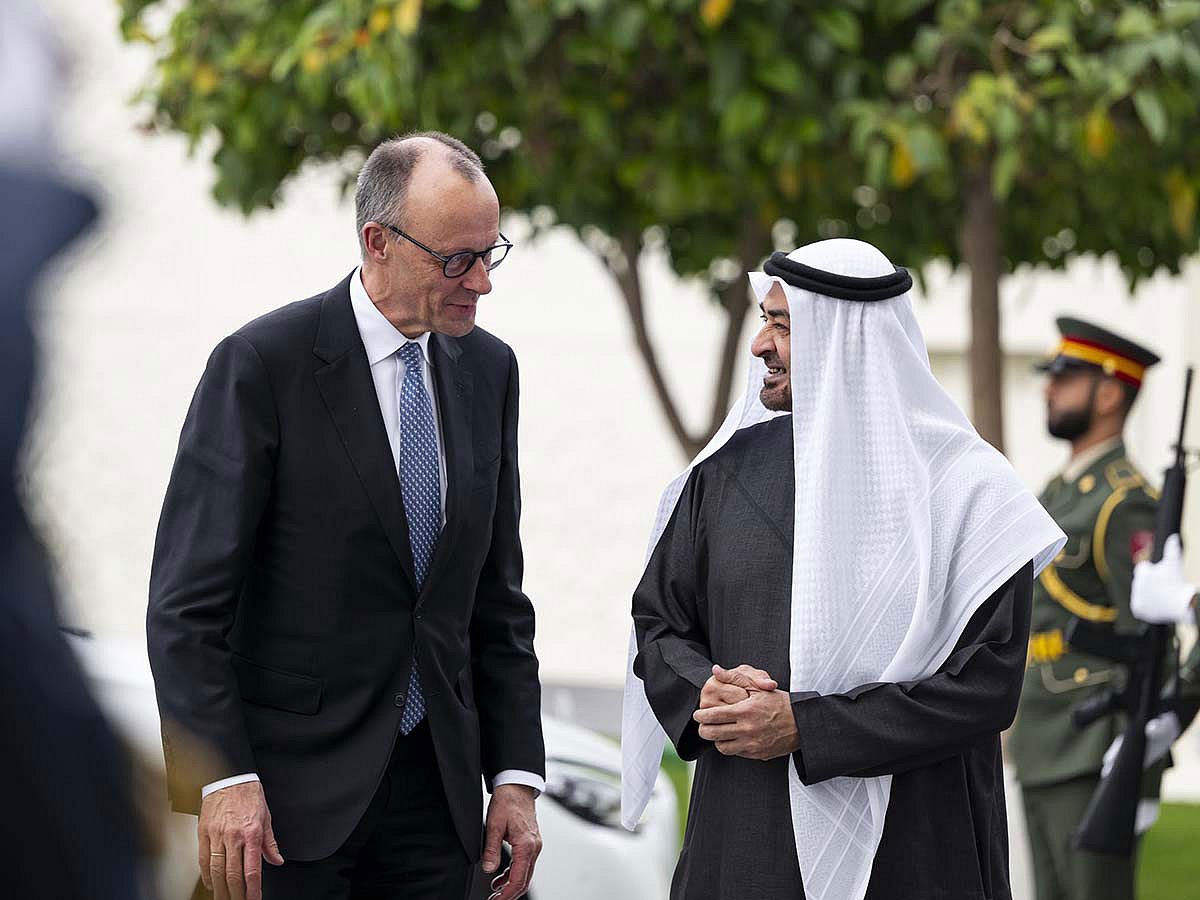
As UAE President His Highness Sheikh Mohamed bin Zayed Al Nahyan embarks on a state visit to Germany to meet with German President Frank-Walter Steinmeier and German Chancellor Friedrich Merz today, it is significant to reflect on the strategic and diverse relationship that has continued to strengthen between the two nations for more than five decades. Today, the UAE–German partnership continues to expand and evolve in response to changing economic and strategic priorities, with greater emphasis on private-sector cooperation across industry, energy, advanced manufacturing and emerging technologies.
The establishment of diplomatic relations between the UAE and Germany dates back to May 1972 — only months after the unification of the UAE in December 1971. While German commercial involvement in the Trucial States predated formal diplomatic ties, Germany and the UAE have long shared a close bond. In the 1960s, the German engineering firm, Siebert, discovered a groundwater source in Al Ain which enabled the construction of the first water pipeline from Al Ain to Abu Dhabi.
Shortly thereafter, according to the German Federal Foreign Office, the UAE Founding Father, the late Sheikh Zayed bin Sultan Al Nahyan, purchased 13 Mercedes 600 Pullman limousines — the largest order at the time for the auto manufacturer. However, it wasn’t until the early 2000s that relations began to truly formalise. Expanding on trade and investments, the UAE and Germany signed a strategic partnership in April 2004 aimed at further developing economic and technical cooperation.
Bilateral trade between the two countries reflects the importance of their relationship. The UAE has positioned itself as the most important economic partner for Germany in the GCC, with bilateral trade exceeding $15.5 billion in 2025. German imports from the UAE also increased by 50 per cent during the same year.
Most significant economic partner
Today, the UAE remains Germany’s most significant economic partner within the GCC, with more than 2,000 German companies maintaining a presence in the Emirates, including major firms such as BMW, Siemens, ThyssenKrupp and Deutsche Bahn. Recognising the need for a dedicated institution to strengthen growing business and economic ties, UAE Ambassador to Germany, Ahmed Alattar, spearheaded the establishment of the Germany-UAE Business Council (GUBC), which was officially launched in 2025.
The Council’s mission — to represent the shared interests of Emirati and German businesses, also aims to advance collaboration across key sectors, including AI, advanced industries, logistics, energy, finance and life sciences. Similarly, the German-Emirati Joint Council for Industry and Commerce (AHK) serves the interests of the German business community in the UAE.
Energy remains a core pillar of German-UAE cooperation. In 2021, the two countries expanded their cooperation on renewable energy into a broader Energy and Climate Partnership. Given the size of Germany’s economy and its importance within Europe, stronger UAE-Germany economic ties could also support the UAE’s wider economic relationship with the European Union. The President’s visit therefore provides an opportunity to build on existing cooperation and identify new areas for trade and investment.
Advancing UAE–German partnership
The visit comes at a time of increasing engagement between the UAE and Germany. During Chancellor Merz’s February visit, the two countries discussed opportunities to strengthen energy cooperation, while his visit to Adnoc’s headquarters highlighted the importance of the energy partnership. In June 2026, UAE Special Envoy of the Minister of Foreign Affairs for Business & Philanthropy Badr Jafar also held more than 15 meetings with senior executives and institutional leaders in Germany. In this context, Sheikh Mohamed’s visit provides an opportunity to build on the progress made during the year and identify new areas of cooperation. The discussions are also expected to address regional and international developments and other issues of mutual concern, reflecting the broader strategic nature of UAE-Germany relations.
Regional turmoil, global repercussions
As the UAE continues to expand its non-oil trade, Germany remains a natural partner, combining its position as one of Europe’s leading industrial economies with a strong, export-oriented economic model. However, as the recent regional conflict has shown, freedom of navigation is paramount to the economic security of both the region and Europe. Germany, like much of the global community, has not remained immune to rising inflation as a result of the US-led war against Iran, particularly through higher energy costs. Considering the recent unravelling of the MoU and subsequent attacks against global shipping in the Strait of Hormuz, increased diplomatic efforts to deepen security ties and increase investments in anti-drone technology and air defence systems remain critical to both the UAE’s security and the protection of open international waterways.
Focus on the long game
Looking beyond regional challenges, the UAE and Germany, both increasingly influential middle powers, are focusing on the long-game, with investments in renewable energy, advanced technology, and artificial intelligence. Following his stop in the UAE, Merz remarked: “In a world of great uncertainty, what is needed above all else is reliability in bilateral relations. I can offer that from Germany.”
Network Links
GN StoreDownload our app
© Al Nisr Publishing LLC 2026. All rights reserved.