No homework for 10 years: What UAE private schools have learnt about children's progress
UAE educators share the academic outcomes and challenges of cutting back on assignments
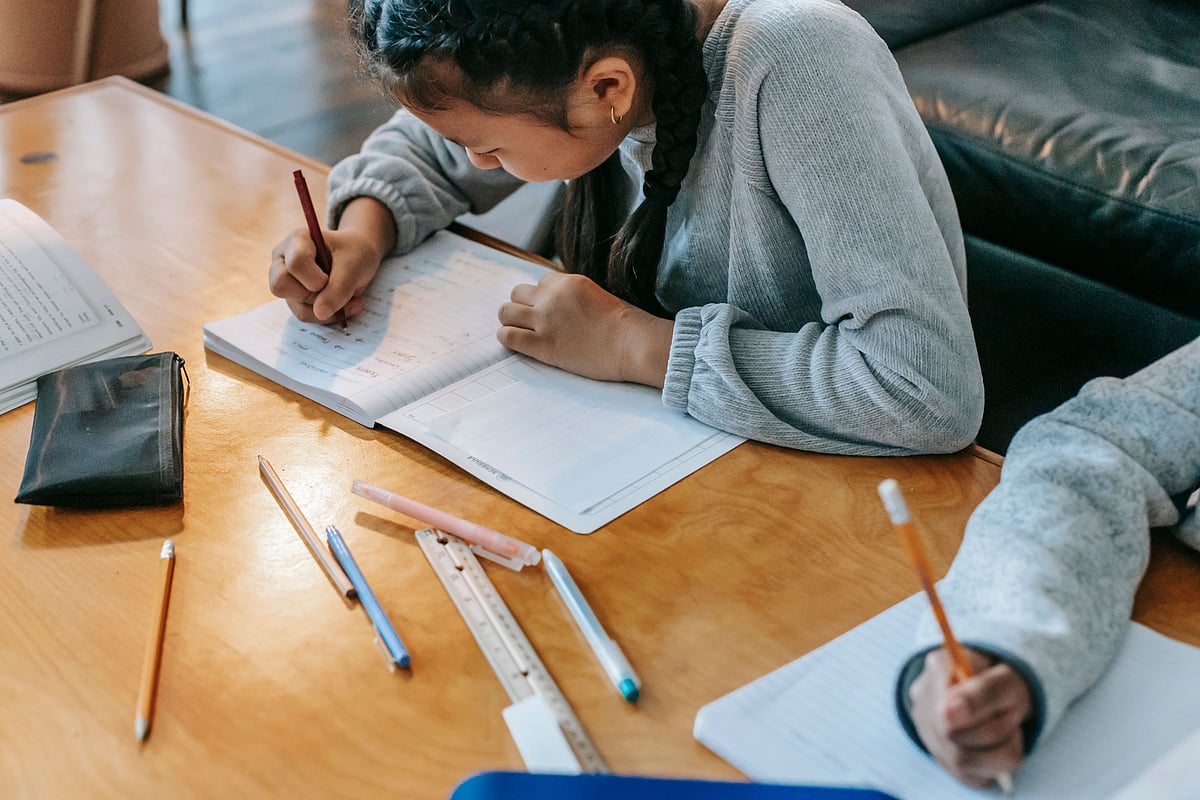
Dubai: Can children perform better academically without spending their evenings completing homework?
In August, UAE Ministry of Education (MoE) eliminated traditional homework for pupils from Kindergarten to Grade 2, effective from the 2026–27 academic year. The policy applies to public schools and private schools operating under the ministry's curriculum.
For some UAE private schools, this is not new - they have spent years reducing or eliminating traditional homework for younger pupils.
Research by the UK's Education Endowment Foundation (EEF) in 2021 suggested that homework has a positive impact and greater benefits for secondary school pupils than those in primary education. The research also found that the quality of assignments matters more than the quantity.
However, educators say the debate is not simply about whether homework is beneficial or harmful. The more important questions are when it should be introduced, how much is appropriate and whether assignments genuinely improve learning.
A decade without primary school homework
At Arcadia British School in Dubai, a no-homework policy has been in place for primary pupils since the school opened in 2016. Giles Pruett, Executive Principal at Arcadia British School, said the approach has coincided with improvements in academic attainment, although other factors have also contributed.
“Since then, academic attainment and progress have continued to improve, with approximately 80% of primary students now making better-than-expected progress in English, Mathematics and Science. While our no-homework approach supports this success, improvements in teaching quality, assessment and the monitoring of student progress have also played a significant role.”
Pruett explained that removing homework during the primary years gives children more time with their families, opportunities to participate in sports and outdoor activities, and less academic pressure during their formative years.
However, the school gradually introduces homework when pupils enter secondary education to develop independence, self-discipline and effective study habits, particularly as they prepare for external examinations.
The transition also presents challenges.
“However, our wellbeing data also indicates rising levels of learning-related anxiety during Years 7 to 10, highlighting the importance of balancing academic expectations with strong pastoral and counselling support,” Pruett said.
He emphasised that homework expectations must remain age-appropriate and responsive to individual needs. “Importantly, we recognise that every child is different, and our approach must remain flexible enough to support individual needs.”
Learning beyond worksheets and assignments
David Williams, principal at Regent International School, explained that rather simply replacing homework with alternative assignments, the school focuses on reinforcing learning through classroom activities such as retrieval practice, practical investigations, collaboration and applying knowledge to real-world challenges.
Outside school, activities such as sport, music, drama, cooking, financial literacy and helping with household responsibilities can also contribute to children's development.
“Ultimately, our approach is about providing opportunities rather than imposing unnecessary expectations. We want to work in partnership with parents, recognising that there is no single approach that works for every child or family.”
He added that eliminating compulsory homework should not mean restricting opportunities for pupils who enjoy additional academic challenges.
“However, we must also recognise that some children and families actively want additional academic work, and we should support that enthusiasm. For me, the most important principle is choice. Schools should provide opportunities, parents should have a voice, and children should benefit from a balance that works for them.”
Homework increases as pupils get older
While reducing homework can offer younger pupils more time for other activities, schools recognise that independent study becomes increasingly important as students progress towards secondary education and examinations.
At GEMS Wellington Academy – Silicon Oasis, families are offered optional home-learning activities designed to consolidate classroom learning, encourage creativity and develop wider skills without placing unnecessary pressure on children.
Hannah Tylee, Vice Principal at the academy, said reading remains the school's strongest recommendation for families who want to support learning at home.
“If families wish to support learning at home, our recommendation is simple - read. Read frequently, read widely, read together, read aloud, read in your home language, and read for enjoyment. Reading is the single most powerful way to develop vocabulary, knowledge and a lifelong love of learning.”
This emphasis continues into secondary school, although academic expectations increase gradually.
In Years 7 and 8, students complete limited homework in core subjects, while many additional activities remain optional. By Years 9 to 11, assignments increasingly focus on examination preparation, research and independent study.
“As students move through Years 9-11, home learning becomes increasingly focused on examination preparation, independent study, research and wider reading. By Years 12 and 13, students are expected to take ownership of their learning through independent study, preparing them for the demands of university and future careers so that they graduate world ready.”
Network Links
GN StoreDownload our app
© Al Nisr Publishing LLC 2026. All rights reserved.