Diagram of the human body highlighting cancers associated with overweight and obesity. The cancer types are: meningioma, adenocarcinoma of the esophagus, multiple myeloma, kidney, endometrium, ovary, thyroid, breast, liver, gallbladder, upper stomach, pancreas, and colon & rectum.
Sugar feeds cancer? Here's what the evidence shows
High added sugar raises cancer risk mainly by driving obesity, not feeding tumors
Last updated:
4 MIN READ
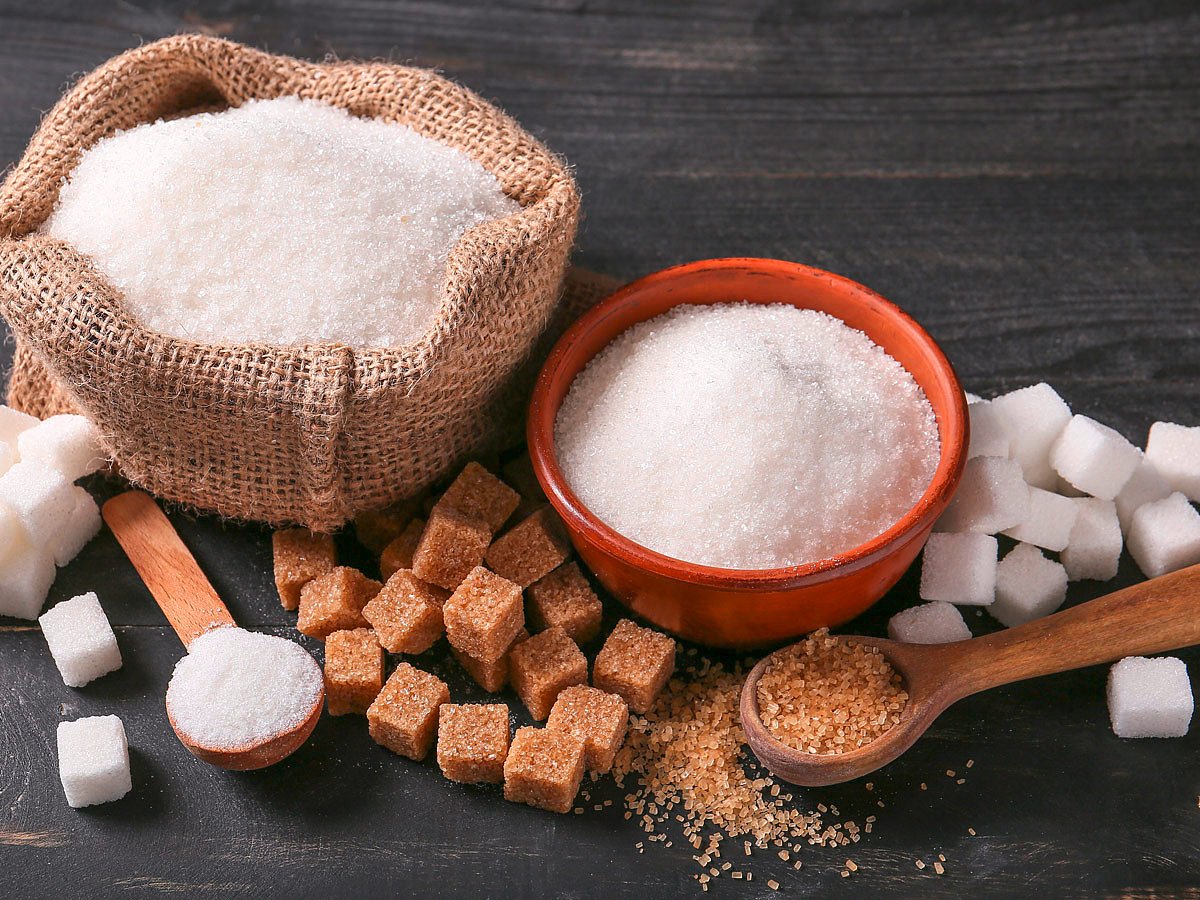
Excess sugar increases cancer risk primarily through its effect on body weight.
File photo
Cancer cells do use sugar (glucose) for energy.
But so do all healthy cells in your body, including your brain, muscles, and immune system.
The idea that "sugar feeds cancer" is true in the same sense that oxygen or protein also support cell growth: cancer needs nutrients to grow, but eating sugar does not selectively feed cancer while starving the rest of your body.
Get — updated faster and for FREE: Download the Gulf News app now - simply click here
This misconception partly comes from the fact that many cancer cells consume glucose at a high rate, a phenomenon known as the Warburg effect.
Sugar itself is not classified as a carcinogen. But consistently consuming diets high in added sugars can increase the likelihood of obesity, a well-established and preventable risk factor for several types of cancer.
An International Agency for Research on Cancer (IARC) Working Group, after pouring through more than 1000 such studies, stated that there is "consistent evidence" that higher amounts of body fat are associated with an increased risk of 13 types of cancers.
Studies show that cancer cells consume sugar more than healthy cells, known as the "Warburg effect".
Doctors use a special sugar tracer (a radioactive form of sugar, called fluorodeoxyglucose, or FDG) injected into the bloodstream that lights up in PET scans.
The radioactive glucose helps reveal tumours because cancer cells often absorb more glucose than surrounding tissues.
Since cancer cells take up more FDG, they show up brighter on the scan. This helps doctors spot potential tumours.
This method can also be used with other scans (i.e. CT scans) for better detail and to monitor treatment effectiveness.
While this is neither a perfect tool or a perfect test, doctors use it with other methods for cancer diagnosis.
PET scan: Positron emission tomography scan, a medical imaging test that reveals how your organs and tissues are working at a cellular level
What happens when a person eliminates sugar/carbs from diet?
Research has not shown that eliminating sugar from the diet will stop cancer growth.
Your body carefully regulates blood glucose levels.
Even if you avoid sugar entirely, your liver can produce glucose from proteins and fats because your normal cells still need it.
What is supported by evidence
Diets high in added sugars can contribute to obesity, and obesity is a known risk factor for several cancers.
Maintaining a healthy weight, exercising regularly, limiting alcohol, and eating a balanced diet rich in fruits, vegetables, whole grains, and lean proteins can help reduce cancer risk.
For people undergoing cancer treatment, severe carbohydrate restriction without medical supervision can sometimes lead to weight loss and malnutrition, which may worsen outcomes.
Cancer's sweet tooth helps spot it: The use of the Warburg effect for cancer diagnosis is a scientific breakthrough. Cancer cells gobble up sugar more than healthy cells (known as the "Warburg effect"). Doctors use a special sugar tracer (a radioactive form of sugar, called fluorodeoxyglucose, or FDG) injected into the bloodstream that lights up in PET scans. Since cancer cells take up more FDG, they show up brighter on the scan, helping doctors spot potential tumors. This method can also be used with other scans (CT scans) for better detail and to monitor treatment effectiveness. Remember, this is a tool, not a perfect test, and doctors use it with other methods for diagnosis.
13
types of cancer with statistically significant links to weight gain and obesity, which are strongly correlated with diets high in added sugars
Diets high in added sugars are not considered a direct cause of cancer.
However, strong scientific evidence shows they can contribute to weight gain and obesity, which are established risk factors for at least 13 types of cancer, according to the US National Cancer Institute.
Excess sugar increases cancer risk primarily through its effect on body weight.
Foods and beverages high in added sugars — especially sugar-sweetened drinks, cereals, etc — provide large amounts of calories with little nutritional value and do not promote satiety as effectively as solid foods.
This can lead to excess calorie intake, unhealthy weight gain and obesity over time.
Excess body fat as one of the leading preventable causes of cancer worldwide, as per the International Agency for Research on Cancer (IARC), the World Health Organisation's cancer research arm,
Globally, elevated body mass index (BMI) is estimated to account for about 3.6% of all adult cancer cases, or nearly 500,000 new cancers each year.
Endometrial, postmenopausal breast and colorectal cancers account for almost two-thirds of cancers attributable to obesity.
According to the US National Cancer Institute, overweight and obesity are linked to an increased risk of at least 13 cancers, including cancers of the:
Breast (after menopause)
Colon and rectum
Endometrium (uterus)
Esophagus (adenocarcinoma)
Kidney
Liver
Pancreas
Gallbladder
Ovary
Thyroid
Stomach (gastric cardia)
Multiple myeloma
Meningioma
Researchers believe obesity promotes cancer through several biological mechanisms.
Excess body fat can cause chronic low-grade inflammation, raise levels of insulin and insulin-like growth factor-1 (IGF-1), alter sex hormone levels, and disrupt normal glucose metabolism — all of which may encourage abnormal cell growth and tumor development.
A recent IARC study also found that elevated blood glucose explains part of the increased pancreatic cancer risk associated with obesity.
Health authorities therefore recommend limiting free or added sugars, particularly from sugar-sweetened beverages, as part of an overall healthy diet.
The WHO advises reducing consumption of sugary drinks to help prevent unhealthy weight gain and recommends keeping free sugars to less than 10% of total daily energy intake, with additional health benefits at below 5%.
Here's a simple fact: Cancer uses sugar.
While avoiding sugar does not necessary starve cancer cells, the goal is not to eliminate all sugar, but to maintain an overall healthy diet and lifestyle.
[Disclaimer: This is for general information purposes only, and is not a medical advice. For specific cancer diagnosis or treatment plan, recommendations may differ. Consult an oncologist or oncology dietitian can give more individualised advice.]
Sign up for the Daily Briefing
Get the latest news and updates straight to your inbox
Network Links
GN StoreAbout Gulf NewsTerms & ConditionsReach by GNSitemapContact usPrivacy PolicyGN FocusHave your sayWork with usAdvertise with usGulf News epaperPrinting Services
Download our app
© Al Nisr Publishing LLC 2026. All rights reserved.