From trade to investment: The rise of Kazakhstan-UAE economic relations
How the two nations’ bilateral ties highlight an evolving model of cooperation
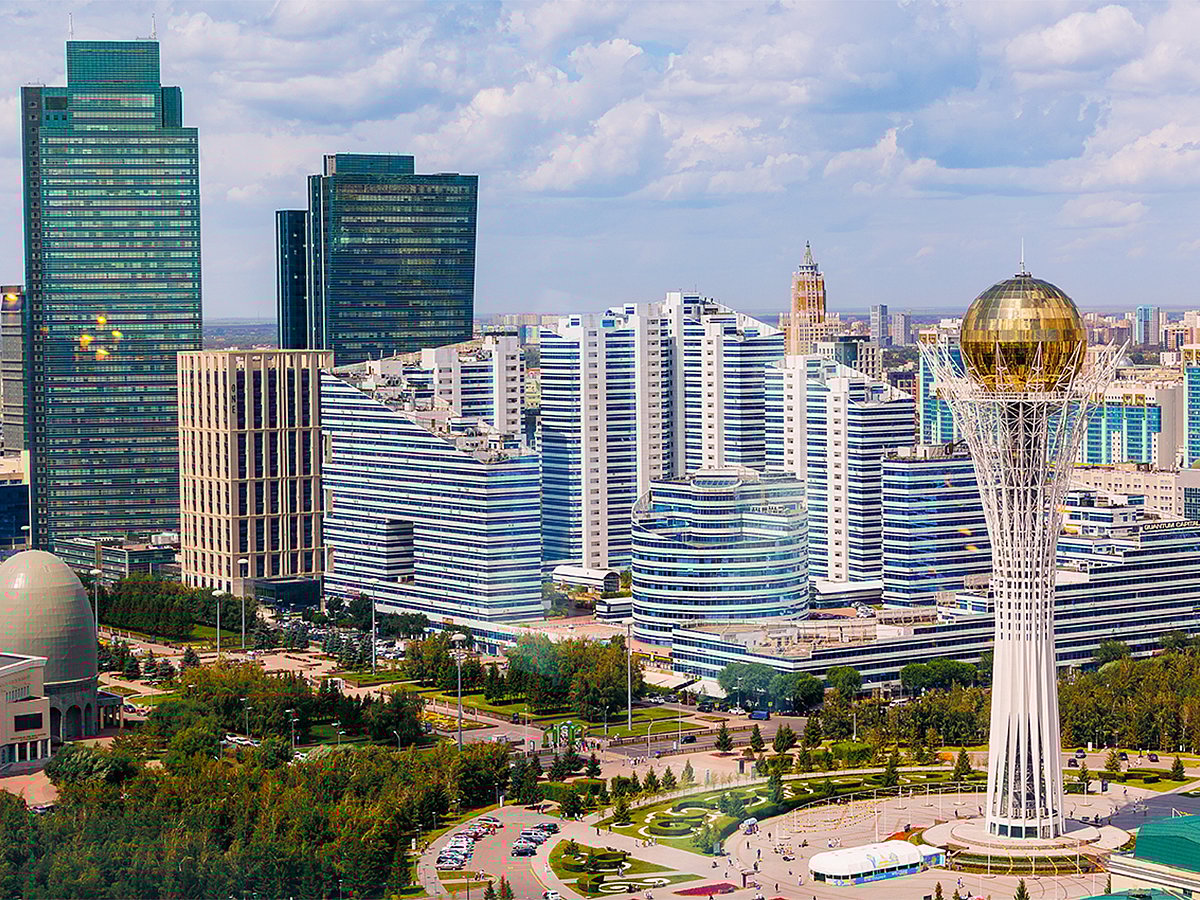
More than three decades after establishing diplomatic ties, Kazakhstan and the UAE are redefining the nature of their relationship. Once primarily driven by high-level friendly engagement, today it is increasingly taking the form of a structured economic partnership with a growing strategic dimension.
This shift is unfolding against a broader global backdrop of geopolitical fragmentation, supply chain disruption and economic diversification. In this context, Kazakhstan and the UAE are moving beyond transactional trade toward long-term investment, infrastructure development and integrated logistics. The relationship is no longer defined by isolated deals, but by a shared effort to build resilient economic linkages across regions.
Trade and logistics
At first glance, trade trends between Kazakhstan and the UAE suggest a slowdown. According to Kazakhstan’s Bureau of National Statistics, bilateral flows decreased from $709 million in 2021 to $289 million in 2025, with a sharp drop in 2022-23 followed by relative stabilisation. However, the shift reflects not only a contraction in volumes but also a change in the structure of trade.
Kazakhstan’s exports have moderated significantly, reducing what had previously been a substantial trade surplus, while imports from the UAE have expanded. As a result, the bilateral trade balance has become more even. This shift appears to reflect softer export performance on the Kazakh side, while also highlighting the scope for a more balanced and dynamic trade relationship going forward.
The focus is shifting from volumes to routes. A new multimodal corridor now links Kazakhstan to the UAE via Central and South Asia, connecting through Uzbekistan, Afghanistan and Pakistan before reaching Jebel Ali Port. Transit times of 20–25 days make it a viable alternative to traditional routes.
Air cargo is also emerging as a complementary channel, particularly for higher-value and time-sensitive goods. Kazakhstan already exports food to the UAE market, including lamb, honey, grains, feed flour, legumes and rice, and the development of air logistics is expected to support further trade expansion.
This is particularly relevant amid disruption to regional supply chains. In response, Kazakhstan is repositioning itself not just as a supplier but as part of a broader transit network linking Asia and the Middle East. As such, while trade volumes may fluctuate, connectivity and strategic relevance are growing.
Investment as the core driver
As trade dynamics evolve, investment has become the defining feature of economic relations between the two countries. Over the past five years, capital inflows from the UAE to Kazakhstan have shown consistent and, at times, accelerated growth.
At the business level, the UAE’s presence in Kazakhstan continues to expand, with several hundred companies already operating in the market. According to Kazakhstan’s National Bank, annual investment increased from $328 million in 2021 to nearly $1.4 billion in 2025, rising sharply after 2022. In total, UAE investments in Kazakhstan are estimated to exceed $7 billion, placing the Emirates among the country’s major foreign investors.
Crucially, investments are increasingly concentrated in long-term, capital-intensive sectors. Projects led by Masdar, with announced investments of around $1 billion, reflect growing cooperation in renewable power and energy transition. In logistics, initiatives involving Abu Dhabi Ports Group, valued at over $700 million, are aligned with efforts to develop new transport corridors and integrate Kazakhstan more deeply into global supply chains.
Cooperation is also expanding into digital infrastructure and AI. Presight has opened its first international office in Astana, positioning it as a regional hub for Central Asia. The company is involved in a $190 million smart city project and initiatives to deploy high-performance computing infrastructure and data centres, supporting Kazakhstan’s digital transformation agenda. In finance, meanwhile, Abu Dhabi Commercial Bank’s planned entry into Kazakhstan reflects growing institutional engagement. As a major financial institution backed by Mubadala Investment Company, its presence is expected to support investment flows and joint projects.
“Economic relations between Kazakhstan and the UAE have become significantly more advanced in recent years, supported by strong interpersonal ties and a more systematic use of synergies between the two economies,” says Dubai-based Zhandos Temirgali, former head of Kazakhstan’s National Investment Agency and current trade and investment advisor to the Kazakhstan government. “The level of mutual investment is steadily increasing, with UAE capital expanding across sectors such as energy, logistics and infrastructure. At the same time, Kazakhstani companies are moving beyond real estate and capital markets in the UAE, entering industrial sectors and developing production capabilities. This reflects a broader shift toward deeper, more balanced and integrated economic cooperation.”
A two-way expansion
The trajectory of Kazakhstan–UAE economic relations is increasingly a two-way dynamic, where capital, projects and companies flow in both directions. UAE players are already embedding themselves in Kazakhstan’s economy, while Kazakh companies are entering the UAE market as a platform for international growth. Major developers such as BI Group have established a presence in the Emirates, while industrial players are also scaling their operations abroad. Among them is 1Thirty Holding, which has launched a powder coatings manufacturing facility in the UAE as part of its wider international strategy.
“The UAE offers a combination of infrastructure, regulation and global logistics that allows companies to scale quickly and operate across multiple regions from a single base,” says 1Thirty Holding Chairman Alexandr Glukhov. “In our case, this made it possible to complete construction and launch production in less than a year. Establishing production in the UAE is part of our long-term strategy to integrate into global industrial flows and build a platform for expansion across the Middle East, Asia and Africa.”
Against this backdrop, the relationship between Kazakhstan and the UAE is increasingly defined by complementarity. As partners, Kazakhstan offers a natural resource base, energy and food security potential as well as a strategic position between Asia and Europe, while the UAE contributes capital, advanced infrastructure and global connectivity. Together, these elements are shaping a model of cooperation that is less about short-term gains and more about building long-term shared prosperity.
Sign up for the Daily Briefing
Get the latest news and updates straight to your inbox
Network Links
GN StoreDownload our app
© Al Nisr Publishing LLC 2026. All rights reserved.