Saif Abdulla brings life lessons to UAE classrooms
The Emirati radio presenter helps young people navigate bullying and self-doubt
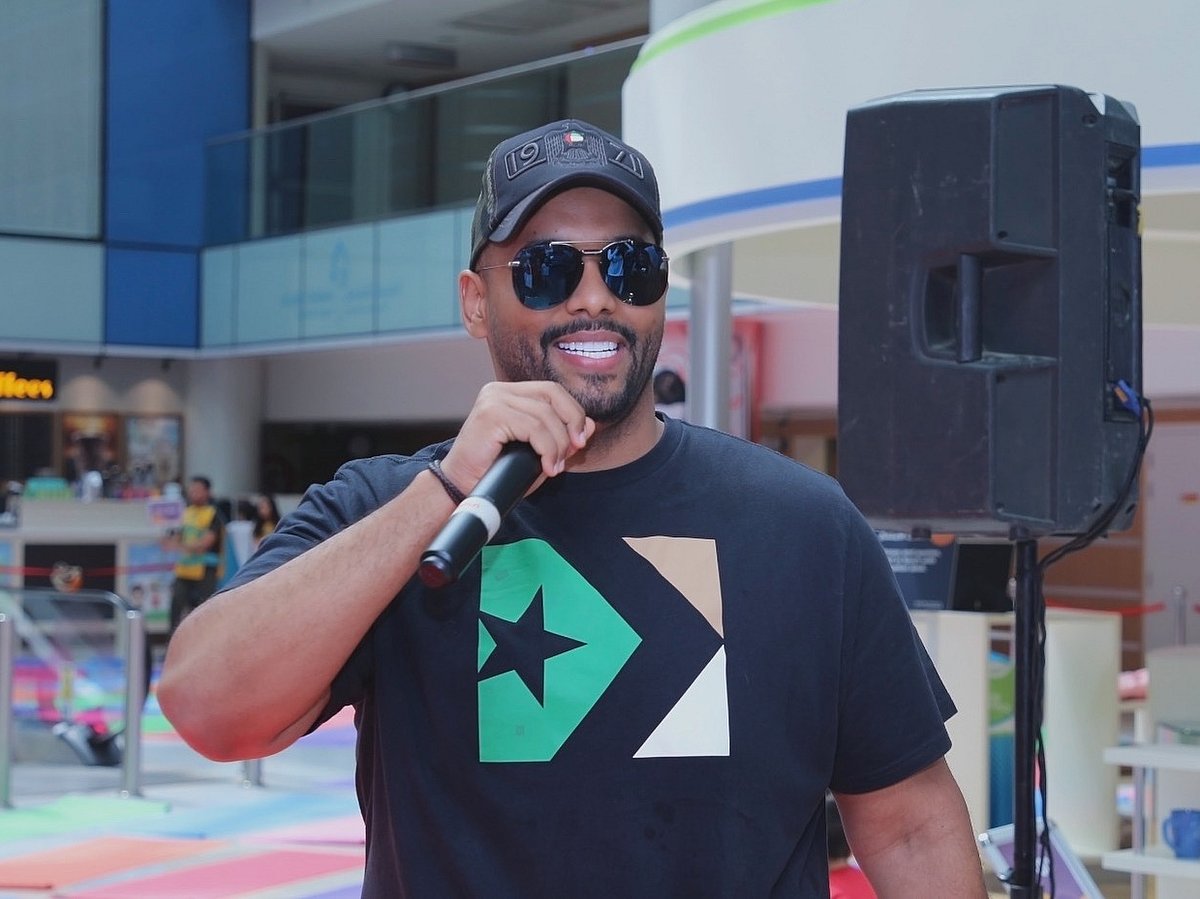
For someone who has built a career around the power of his voice, Saif Abdulla has come to appreciate the importance of knowing when to stop talking. The Emirati radio presenter, familiar to listeners of Dubai Radio 93 and audiences who know him as Saif Motivation, has spent years entertaining, engaging and addressing crowds. These days, some of his most meaningful conversations take place in classrooms, where the audience is younger, the questions are more personal and the measure of success can be as simple as a hesitant student finding the courage to speak.
It is an interesting shift for a man whose professional life revolves around communication. As a radio jockey, presenter and master of ceremonies, Saif understands how to hold an audience’s attention. His visits to schools and universities across the UAE, undertaken voluntarily, call for a different skill: recognising when someone needs to be heard. “As a radio presenter and MC, I’ve spent years speaking to people, but I wanted to take that connection beyond the microphone and meet young people face to face,” he says.
He remembers how important encouragement can be during the years when young people are discovering their identities and abilities. The possibility that his experiences might help a student feel recognised, express an opinion or develop greater confidence makes the time he spends in classrooms worthwhile.
Behind the smiles
The young people Saif meets are growing up with pressures that extend well beyond examinations and academic expectations. Appearance, acceptance, friendships and the fear of failure feature prominently in their concerns. Social media adds another dimension, encouraging comparisons that can affect how they see themselves.
Bullying and peer pressure remain serious issues. Saif also encounters students carrying personal worries they have yet to find the words to express. “What stays with me is how much it can mean simply to have an adult listen without judging or rushing to give advice,” he says. “Young people often have more to say than we realise; they need to feel safe enough to say it.”
His approach begins with helping students separate their sense of self-worth from the approval of others. He encourages them to develop friendships based on mutual respect, recognise behaviour that makes them uncomfortable and seek help when necessary.
Confidence, he explains, is something that develops through action, including moments when a person feels uncertain. “Confidence doesn’t mean never feeling nervous; it means taking a small step even when you do.”
He is equally concerned about the students who witness bullying. Their responses, he believes, can make a difference to someone being targeted. Supporting a classmate, refusing to participate in cruelty and approaching a trusted adult are practical ways to intervene without placing themselves in danger.
Lessons from experience
Saif’s advice draws heavily on his own experiences of uncertainty and disappointment. He speaks openly about setbacks and the patience required to move forward when the outcome remains unclear. “I’ve had moments of doubt and setbacks, and I’ve learned that one difficult chapter doesn’t define your whole story,” he says.
It is a lesson he wants students to understand before they begin measuring their achievements against those of their peers. Mistakes offer opportunities to learn, and progress rarely follows an identical timetable for everyone. He encourages young people to recognise their individual abilities and resist the temptation to imitate someone else’s path. “Their identity and their pace belong to them,” he says.
There is a personal conviction behind that message. Saif understands that young people often look for reassurance from those they admire. His aim is to help them develop enough belief in themselves to make their own decisions.
The art of listening
Years behind a microphone have shaped the way Saif communicates with students. Radio has taught him to pay attention to responses, recognise changes in tone and explain ideas in language that feels accessible. He brings those instincts into classrooms, asking questions and inviting different perspectives. He also understands that participation takes many forms.
Some students contribute readily. Others prefer to listen, particularly when conversations involve sensitive subjects. “Sometimes a student isn’t ready to talk in front of everyone. I respect that,” he says.
For Saif, a successful session does not require every student to speak publicly. He hopes those who remain silent leave knowing that someone is available if they eventually decide to talk.
The encounters that stay with him are often understated. A reluctant student begins sharing an idea. Another approaches him after a session to explain why something he discussed resonated. “I don’t need a dramatic moment to know the visit mattered,” he says.
These exchanges reinforce his belief that encouragement can have an impact without producing an immediate, visible transformation. A student who feels more confident or becomes willing to seek help represents meaningful progress.
A shared responsibility
As an Emirati working with young people across the country, Saif sees his initiative as a personal contribution to the UAE’s wider emphasis on mental well-being and empowering future generations.
He believes the conversations taking place in classrooms need to continue at home and within the community.
Students benefit from hearing consistent messages about kindness, respect and emotional well-being. Those principles also need to be reflected in the way adults respond to them.
Saif encourages parents, teachers and other adults to pay attention when a young person becomes withdrawn, remain approachable and resist the instinct to judge or offer immediate solutions.
A sincere question can sometimes begin a conversation that a child has struggled to initiate. “A simple, sincere ‘How are you, really?’ can open an important conversation,” he says.
Stories that stay
Saif has also taken his interest in communicating with children into publishing, authoring a children’s book that explores the potential of storytelling to encourage reflection.
He sees books as another way to introduce conversations about emotions, personal choices and relationships. Stories allow children to explore situations through characters and give parents and teachers a starting point for discussing subjects that might otherwise be difficult to raise. “A story can help a young reader think about feelings, choices and how they treat others,” he explains.
The connection with his school visits is deliberate. Both encourage children to understand that their opinions matter and that kindness and courage are qualities they can practise in everyday life.
Looking ahead, Saif hopes to reach more schools and universities, expand his conversations with young people and explore additional storytelling and interactive formats. His ambitions remain rooted in the individual encounters that first made the initiative worthwhile. “If even one student feels less alone or more confident about asking for help, I’ll feel that my time has been well spent,” he says.
Sign up for the Daily Briefing
Get the latest news and updates straight to your inbox
Network Links
GN StoreDownload our app
© Al Nisr Publishing LLC 2026. All rights reserved.