Biggest winners: Hollywood ready to accept overweight women on TV
Shows like Drop Dead Diva, Huge and Mike and Molly suggest Hollywood is finally ready to accept overweight women on TV
After years of excavating their alien habits on talk shows, and of turning weight loss into the sort of blood sport last seen in ancient Rome, television has discovered, or remembered, that fat people are human after all, with a panoply of dreams, desires, foibles and stories that often have nothing to do with their weight.
Just like all those crazy-thin people we've been watching for years.
Drop Dead Diva broke the ice last year. Lit up by newcomer Brooke Elliott, the show wrangled its iffy conceit — an afterlife mix-up leaves a thin girl trapped in a fat girl's body — into a surprisingly edgy comedy. This summer, Huge debuted, a vehicle for Hairspray star Nikki Blonsky, which was no doubt the cause for much rejoicing among plus-sized thespians. Set at a fat camp, Huge is essentially a teen drama — with the requisite rebel, pretty girl (played by David Hasselhoff's daughter Hayley), shy boy, tough jock, etc — but one that also explores the complexities of childhood obesity with a clear eye and dark humour.
And this autumn, pound-power comes to the networks. In CBS' romantic comedy Mike And Molly, Melissa McCarthy and Billy Gardell play a fourth-grade teacher and a Boston cop, respectively, who meet at an Overeaters Anonymous meeting. All three of these shows take on the emotional, social and physical difficulties of being overweight, but none of them get bogged down in the slippery excess of parody or pathos that so often accompanies current tales from the top of the scale.
Beacon of hope
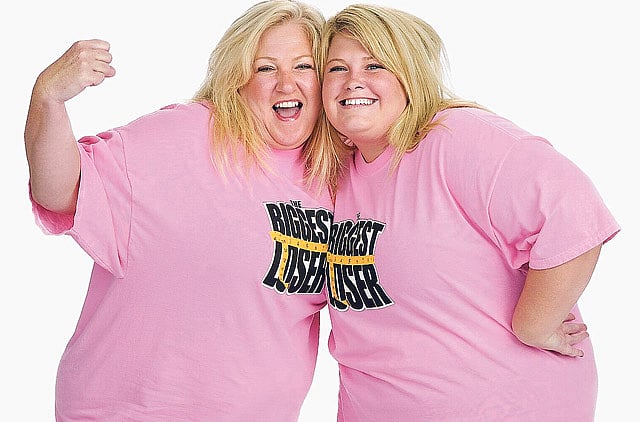
For those of us long weary of seeing weight issues addressed only in extremes — by participants of The Biggest Loser, longtime yo-yo'ers Kirstie Alley and Carnie Wilson or stars like Courteney Cox scripted to occasionally glance in the mirror and wonder if their butts look fat — Mike And Molly is a beacon of hope. Not just for the contours of its stars but for its rare moment of Hollywood justice — after years energising every show she's been in, McCarthy (so wonderful in Gilmore Girls and Samantha Who?) finally gets centre stage while comedian Gardell can finally slide out of Kevin James' formidable shadow.
Actually, speaking of James, perhaps it's time to clarify. When I said television has discovered that fat people are human, I mean it's discovered that fat women and children are human. Men have always been allowed to be fat on TV. Jorge Garcia's beloved Hurley fell in love and was a hero in two alternate worlds on Lost. Jackie Gleason, William Conrad and John Goodman built their careers on their wattles and prodigious guts. But can you imagine a successful detective show titled Jake And The Fat Chick?
Yes, there have been exceptions — Roseanne Barr blew everyone's minds not only with tough-talking motherhood on Roseanne but also her character's refusal to obsess, or even care much, about her weight. But that show ended 13 years ago, and since then obesity has become a US national crisis, with fat Americans increasingly treated as if they were a separate, possibly contaminant species — one study recently suggested that hanging out with fat people could make you fat. Oh, the media tries to get to the bottom of things, portraying the overweight as either unwitting pawns in a game of world domination played by the various purveyors of salt and high fructose corn syrup, or as addicts caught in a body-inflating cycle of defiance and shame.
But the idea that those with high body fat indexes also have jobs and love lives, that they raise children and make art, travel, sing and have pets, endure non-weight-related tragedy and triumph, has been lost in the clamour over calories.
Fat became a polarising political issue, dieting an area of expertise, with deniers and professional proponents. Just as stars including Alley and Oprah Winfrey were derided for weight gain, those who lost weight — opera star Deborah Voight, America Ferrera, even Kate Winslet — were often criticised for succumbing to the corseted standards of Hollywood.
On television, reality shows including The Biggest Loser and Jamie Oliver's Food Revolution, though noble in their goal of catalysing audiences to adopt healthier lifestyles, often presented participants more as worst-case scenarios than people, requiring public self-renunciation and emotional breakdown as part of what has become the standard narrative arc of rehab.
That the tactics employed by these shows — A-list trainers, personalised dietary attention and, above all, the relentless eye of the camera — make the weight loss they celebrate just as weird, and unattainable by the average person, as an Oscar nominee dropping 30 pounds in time to walk the red carpet mere weeks after giving birth, seems to bother no one but me.
Plus-sized lead
Yet these shows are probably the reason Drop Dead Diva, Huge and Mike And Molly exist: For years, TV executives assumed that audiences simply could not bear the sight of fat women on TV, except in the role of funny best friend/ neighbour/ mother-in-law. A plus-sized romantic lead? Only if it was part of the joke, as in Ugly Betty, and even then only if she agreed to take off 20 pounds (9 kilogrammes).
Of course, none of the characters on the new shows take their fat lightly. Gone is Roseanne's muffin-top-pride and devotion to pulled pork. (Barr herself had a gastric bypass a year after the show ended.) On all of the new shows, everyone is trying, to one extent or another, to eat more greens and less cake.
But the pounds come off slowly, if they come off at all, and that is not the only thing the characters are trying to do. Although all of these shows address weight with a refreshing directness, none of them, not even Huge, appear to be a chronicle of weight-loss. Elliott enters Season 2 of Drop Dead Diva seemingly the same size she was in Season 1, if much better accessorised. Overweight is just one part of who these people are, losing weight just one of the things they'd like to experience in their lives.
Which makes these dramas closer to real than any reality show around.
Sign up for the Daily Briefing
Get the latest news and updates straight to your inbox
Network Links
GN StoreDownload our app
© Al Nisr Publishing LLC 2026. All rights reserved.