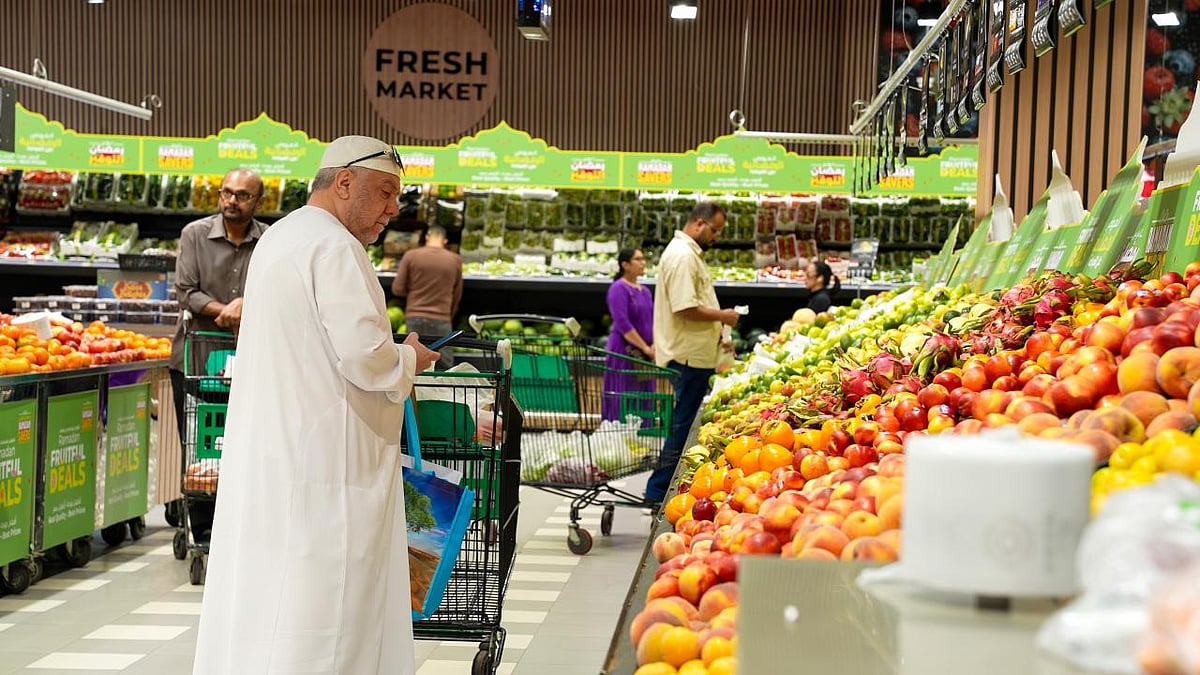
Dubai: Grocery shopping in the UAE is set to become more transparent and data-driven following the launch of a new digital platform that tracks essential goods prices across major retailers, giving residents a clearer view of where and how to spend.
Get updated faster and for FREE: Download the Gulf News app now - simply click here.
The platform is built to give consumers visibility and let competition do the rest.
1. Real-time price comparison across stores
The platform displays minimum and maximum prices for each item across participating outlets, offering a clear snapshot of the market at any given moment.
That visibility makes it easier to identify price gaps between stores, especially on staple items such as rice, poultry, dairy and vegetables. Over time, this could influence where households choose to shop and how frequently they switch between retailers.
2. Daily updates that track market movement
Price data on the platform is updated every day through direct integration with retailers, ensuring that consumers are looking at current information instead of outdated listings.
This matters in a market where promotions, supply changes and seasonal demand can affect prices within days. With consistent updates, shoppers can time their purchases better and avoid paying more than necessary.
3. A customised basket that finds the lowest cost
One of the more useful features is the ability to build a personalised shopping basket. The system then guides users towards the most cost-effective combination across listed outlets.
This takes price comparison a step further. Instead of checking items individually, consumers can see how their entire weekly shop adds up and where savings can be made.
4. Stronger competition between retailers
With pricing now visible across multiple outlets, retailers are likely to face greater pressure to stay competitive on everyday essentials.
“The Essential Goods Price Platform represents a qualitative initiative aimed at empowering consumers to shop smarter and enhancing their awareness of purchasing decision-making,” said Abdulla bin Touq Al Marri, UAE Minister of Economy and Tourism.
He added that the platform is designed to “encourage competition between retail outlets, ensuring price transparency, market stability, and protection of consumers’ purchasing power.”
The expectation is that clearer pricing will lead to tighter spreads between retailers, particularly on high-volume items.
5. Better control over household spending
Access to transparent pricing gives consumers more control over how they allocate their budgets. Instead of reacting to prices in-store, households can plan purchases in advance based on verified data.
The platform covers a broad range of essentials, including cooking oil, eggs, sugar, meat, fish, bread, water, fruits and vegetables, which together make up a significant share of regular grocery spending.
6. Greater trust in market pricing
Beyond savings, the platform is also positioned as a tool to build confidence in how prices are set and monitored.
Bin Touq said the UAE has established “an advanced legislative and digital framework to protect consumer rights,” adding that the platform contributes to “a safe and stable consumer environment.”
Consumers are also encouraged to report any mismatch between listed and in-store prices, adding another layer of accountability.
7. Smarter shopping habits over time
The broader impact may lie in how consumer behaviour evolves. With access to data, shoppers are more likely to compare, plan and adjust purchasing patterns, moving away from impulse-driven decisions.
The Ministry emphasised the importance of buying according to actual need and avoiding excessive stockpiling, pointing to the role of responsible consumption in maintaining price stability across the market.

Sign up for the Daily Briefing
Get the latest news and updates straight to your inbox
Network Links
GN StoreDownload our app
© Al Nisr Publishing LLC 2026. All rights reserved.