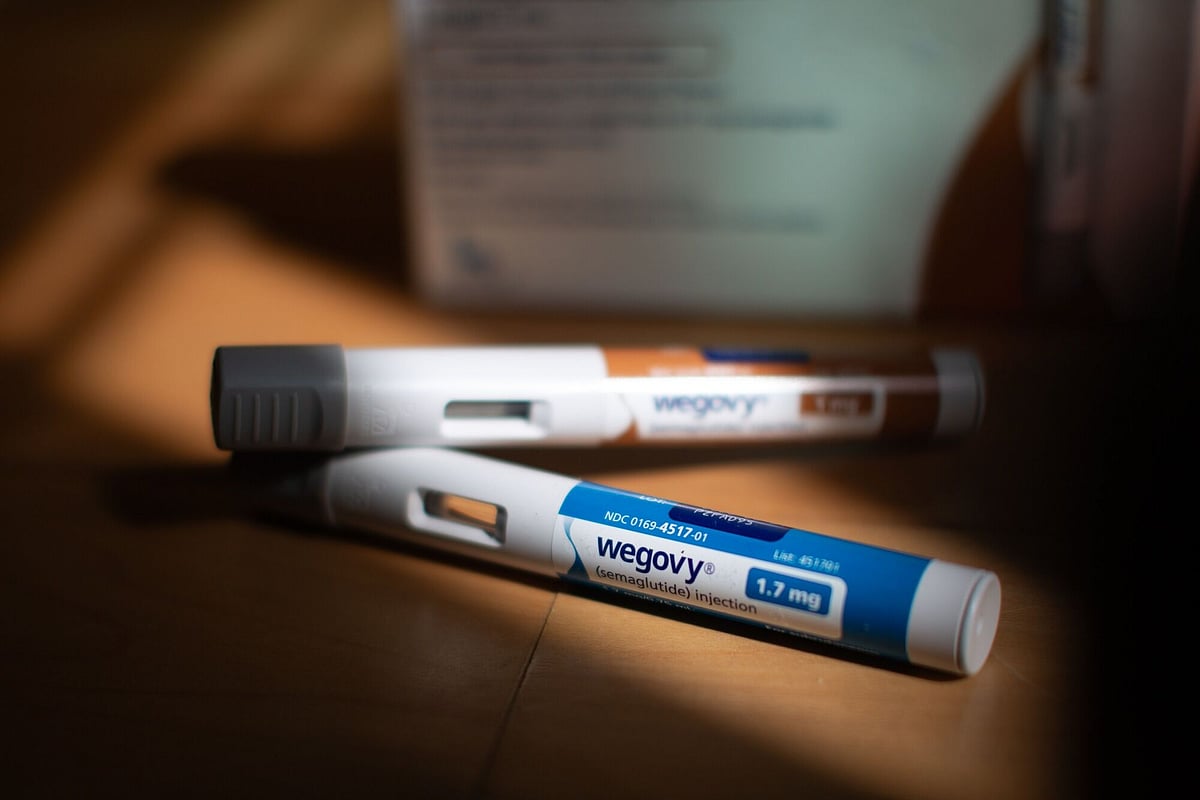
Dubai: A new US warning about a rare eye condition associated with popular diabetes and weight-loss medicines has raised fresh questions for UAE patients, as recent local research highlights gaps in medicine counselling and the need for more evidence on long-term safety.
The US Food and Drug Administration (FDA) has ordered updated safety warnings for GLP-1 medicines, including Novo Nordisk's Ozempic and Wegovy and Eli Lilly's Mounjaro and Zepbound, following a review of clinical trials and other safety data.
The concern is non-arteritic anterior ischaemic optic neuropathy (NAION), a condition caused by reduced blood flow to the optic nerve. It can lead to sudden, painless and sometimes permanent vision loss, usually affecting one eye.
The FDA has not advised patients to stop taking these medicines as a precaution. Its findings point to a rare potential risk, without establishing that the treatments directly cause the condition.
Research published in the UAE this year adds a perspective for UAE residents. An October study from Abu Dhabi examined eye complications among patients receiving semaglutide or tirzepatide, while separate investigations identified shortcomings in prescription checks, pharmacist knowledge, and patient counselling.
Get updated faster and for FREE: Download the Gulf News app now - simply click here.
How serious is the eye risk?
The FDA reviewed 126 clinical trials involving 134,253 patients and identified 15 probable NAION cases, including 10 among GLP-1 users and five in the comparison groups.
The regulator calculated an incidence rate of 6.4 cases per 100,000 person-years among GLP-1 users, compared with 3.8 cases in the comparison groups.
Put simply, that is roughly six cases for every 100,000 people treated for a year, compared with fewer than four among those receiving a placebo or other treatments.
The difference is small in absolute numbers, although the potential consequences are serious. The FDA also examined real-world medical records, with mixed findings on whether GLP-1 treatment was associated with increased NAION risk.
What Abu Dhabi research found
Dr Jamal Muhsen of Al Dhafra Hospitals examined eye-health records of 121 patients, including 30 receiving semaglutide or tirzepatide, in research published in the medical journal Cureus in October.
The study found that diabetic retinal disease developed or progressed in 40% of treated patients, compared with 50.5% of those without documented exposure to either medicine. The difference was not statistically significant. "No statistically significant association was detected for the combined retinal endpoint, but estimates were imprecise," the study concluded.
A separate review identified seven regional NAION cases recorded between 2022 and 2025. None involved documented exposure to semaglutide or tirzepatide. The researchers cautioned that the findings "could not quantify or exclude an association."
The study was relatively small, particularly the treatment group. Diabetic retinal disease also differs from NAION, which affects the optic nerve rather than the retina. The findings therefore cannot determine whether these medicines increase the risk identified by the FDA.
UAE studies flag counselling gaps
Separate research from Ajman University has raised questions about how patients obtain weight-loss medicines and the information they receive before starting treatment.
A January study published in Pharmacy Practice examined dispensing practices at 153 community pharmacies across Dubai and the Northern Emirates using simulated patient visits.
Researchers Noor Kamal Raisan, Moawia M. Al-Tabakha and Akram Ashames found that only 26.8% of pharmacies requested a prescription when approached for Ozempic for weight loss. In 27% of visits, patients received no counselling, while basic screening questions were asked in only 3% to 30% of cases, depending on the question.
"The study revealed significant gaps in prescription compliance and patient counseling among UAE community pharmacists when dispensing Ozempic," the researchers concluded.
A separate July study involving UAE pharmacists identified similar concerns surrounding tirzepatide, the active ingredient in Mounjaro. Published in Pharmacy Practice, the research included 386 pharmacists whose average knowledge score was 27.78 out of 54. Researchers identified gaps involving dosage, adverse effects, contraindications and patient counselling.
Who may face a greater risk?
The FDA identifies diabetes, high blood pressure, sleep apnoea, kidney disease, anaemia and smoking among potential risk factors for NAION.
Some of these conditions are already present in patients receiving GLP-1 treatment, making it difficult to determine whether an eye complication is associated with the medicine or an underlying health condition.
The regulator also examined observational studies and adverse-event reports as part of its safety assessment. The available evidence therefore points to a potential safety concern without establishing that the medicines directly cause every reported case.
The FDA's decision to require updated warnings is intended to ensure that patients and healthcare professionals are informed about the possible complication.
What symptoms to look for
The US FDA advises patients to seek immediate medical attention if they experience sudden vision loss, blurred vision, blind spots, tunnel vision or changes in colour perception. NAION can develop without pain, and some patients first notice symptoms when waking up.
Doctors are advised to arrange a prompt assessment by an ophthalmologist when the condition is suspected. For patients who develop NAION, the FDA advises healthcare professionals to consider discontinuing GLP-1 treatment unless its benefits clearly outweigh the risks.
Novo Nordisk has maintained that available evidence does not establish a causal relationship between semaglutide and NAION. Eli Lilly has said the FDA's communication applies to the wider GLP-1 medicine category and does not identify findings specific to its products.
The latest US labelling requirement does not automatically change prescribing rules in the UAE. For residents already taking Ozempic, Wegovy, Mounjaro or similar medicines, the FDA's advice is to recognise sudden changes in eyesight, seek medical attention promptly and discuss treatment decisions with their doctor.

Sign up for the Daily Briefing
Get the latest news and updates straight to your inbox
Network Links
GN StoreDownload our app
© Al Nisr Publishing LLC 2026. All rights reserved.