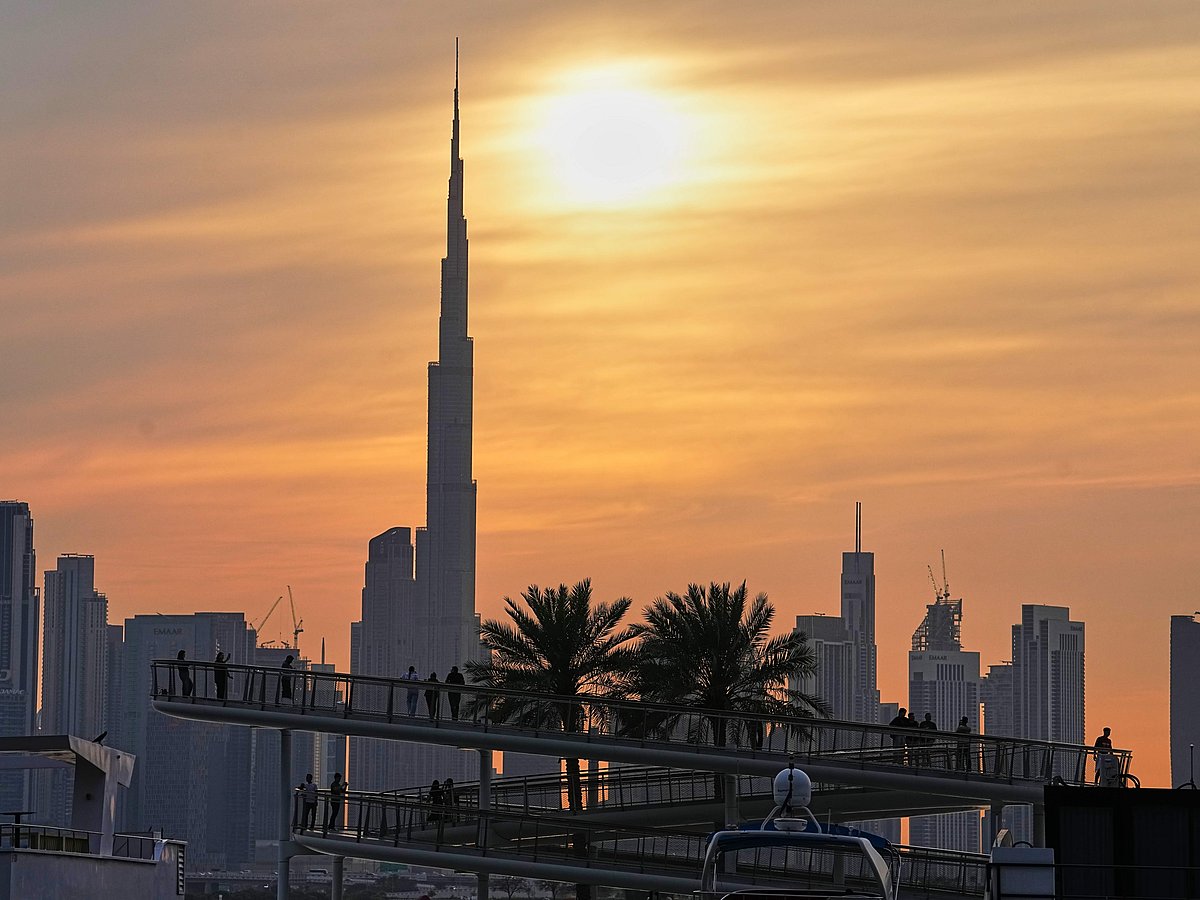
Dubai: Business conditions strengthened across several major Arab economies in August, with the UAE recording its fastest non-oil growth since December 2024, Saudi Arabia reaching a six-month high and Kuwait posting its strongest improvement since the regional conflict began.
Egypt also moved closer to stabilisation, with its non-oil private sector contracting at the slowest pace in seven months and companies stepping up hiring.
The latest purchasing managers’ index readings point to improving demand across much of the region, although businesses continue to face different pressures when it comes to hiring, costs and exports.
UAE growth accelerates
The S&P Global UAE Purchasing Managers’ Index rose to 55.3 in August from 52.7 in July, marking a second consecutive month of faster growth and the strongest improvement in operating conditions since December 2024.
New business increased at the joint-fastest pace in more than two years, while output growth reached a six-month high. Export demand also increased for a second month following declines during the second quarter.
Companies increased inventories at the fastest pace in nearly three years, supported by greater purchasing and increased use of local suppliers, while input cost inflation eased to its lowest level since February.
Hiring remained the weaker part of the picture, with employment declining for the second time in three months as companies remained cautious about expanding their workforces amid regional uncertainty.
Saudi Arabia reaches six-month high
Saudi Arabia’s Riyad Bank PMI climbed to 53.8 from 53.1 in July, the highest reading in six months and the fifth consecutive month of expansion.
Business activity grew at the fastest pace in seven months, supported by domestic demand and improving sales, while companies increased their workforces for a second consecutive month.
Exports remained a weak spot, with international orders falling again, while businesses continued to report higher material, transport and staff costs.
“Domestic demand remains an important driver of growth, and continues to provide a solid foundation for businesses. Also, it reinforces the importance of domestic investment and consumption in sustaining near-term non-oil growth," said Naif Al-Ghaith, Chief Economist at Riyad Bank.
Confidence about the coming year improved to a seven-month high, with 20% of surveyed companies expecting activity to increase over the next 12 months and 2% anticipating a decline.
“Overall, the August survey signals a firmer growth trajectory for the non-oil private sector, with improving business confidence and sustained domestic activity providing a constructive foundation for growth through the remainder of 2026,” Al-Ghaith said.
Kuwait hiring returns
Kuwait recorded one of the strongest monthly improvements in the region, with its PMI rising to 53.6 in August from 50.8 in July.
Output and new orders grew at their fastest rates since February, while export orders returned to growth as companies secured business from customers in neighbouring countries.
The stronger workload also prompted companies to increase staffing levels for the first time in six months.
“The recovery in Kuwait's non-oil private sector stepped up a gear in August, with companies increasingly able to secure new business and ramp up their own output accordingly," noted Andrew Harker, Economics Director at S&P Global Market Intelligence.
Businesses also increased purchasing at the joint-fastest rate since the survey began in September 2018, helping lift inventories to their strongest level this year.
Cost pressures moved higher, however, with input inflation reaching a six-month high and staff costs rising at their fastest pace of 2026.
“There was also welcome news on the jobs front as employment returned to growth, but more will be needed in the months ahead if workloads continue to strengthen,” Harker said.
Egypt moves closer to stabilisation
Egypt remained the only economy among the four with a PMI below the 50 level that separates growth from contraction, although conditions improved considerably during August.
The headline PMI increased to 49.6 from 46.8 in July, reaching a seven-month high and signalling only a marginal deterioration in non-oil business conditions.
New orders and output continued to fall, but at much slower rates, while employment increased for the first time since October 2025.
The pace of job creation was the second-fastest in more than 15 years of survey data.
“Over the past few months, we’ve seen business confidence return – expectations are now the highest seen in over four years – which has certainly helped the domestic economy to rebound,” explained David Owen, Principal Economist at S&P Global Market Intelligence.
Businesses remained constrained by material shortages, cash flow pressures and supply disruptions, while purchasing activity fell at its fastest rate in nearly three years.
Inflation pressures also increased, with firms reporting higher material, oil and transport costs alongside higher wages.
Owen said the August PMI reading was historically consistent with year-on-year growth of approximately 5%, adding that the outlook for the third quarter appeared more encouraging.
The August surveys show domestic demand gaining momentum across the UAE, Saudi Arabia and Kuwait, while Egypt moved considerably closer to growth after seven months of contraction.
Hiring trends remained uneven. Kuwait and Egypt returned to employment growth, Saudi companies added workers for a second month, while UAE businesses reduced staffing despite a faster increase in orders.
Price pressures also differed across markets, with UAE input inflation easing to a six-month low while businesses in Saudi Arabia, Kuwait and Egypt continued to report elevated or rising costs.

Sign up for the Daily Briefing
Get the latest news and updates straight to your inbox
Network Links
GN StoreDownload our app
© Al Nisr Publishing LLC 2026. All rights reserved.