US-Iran conflict: What UAE residents need to know this evening (July 30)
Flight updates, travel advisories and the latest military developments across the region
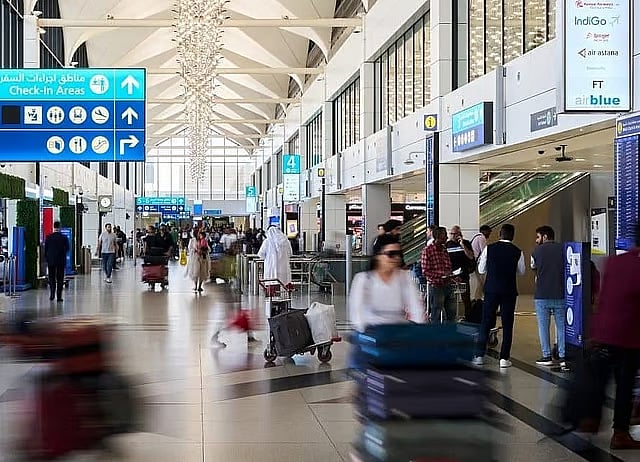
Dubai: Tensions between the US and Iran have escalated with fresh military strikes and retaliatory attacks disrupting air travel across the Middle East. The latest round began after the US struck Iranian targets following Tehran's attack on a base housing US troops in Jordan.
Explosions have been reported on Qeshm Island and in Khuzestan province, and oil prices have jumped roughly 7% on fears of supply disruptions. UAE airlines are still operating at close to normal levels, but a number of routes remain affected.
Based on the latest developments, here's what UAE residents should know:
Key military and diplomatic developments
Iran's Revolutionary Guards said three of its members were killed in a US attack on Zanjan province in Iran's northwest, according to a statement carried by Tasnim news agency.
Kuwait's Defence Ministry confirmed one worker died after an Iranian strike hit a building belonging to a Chinese company in the country's north, with significant damage reported.
Qatar condemned what it called renewed Iranian attacks on Jordan and Kuwait, describing them as violations of sovereignty that risk derailing diplomatic de-escalation efforts, and called for an immediate halt to military action.
Saudi Arabia similarly condemned Iran's continued attacks on Jordan, calling them a breach of international law, and voiced support for Jordan's response measures.
Egypt's Cabinet said a drone was behind the fire that broke out on two vessels at Damietta Port; no group has claimed responsibility and the investigation continues.
US Central Command said its naval presence enforcing the Hormuz blockade has safely escorted around 1,000 vessels and 500 million barrels of crude since early May, with roughly 10,000 troops involved. As of July 29, it had redirected 20 commercial vessels, disabled two, and boarded two more.
Iran's Guards said two oil tankers attempting to transit Hormuz "with US support" turned back after one caught fire, and reiterated that the strait is Iranian territory that won't reopen while US rhetoric continues.
Pakistan, acting as mediator, said US-Iran talks on de-escalation and the Strait of Hormuz are still ongoing.
Travel advisory
Canada continues to advise against non-essential travel to the UAE, citing the risk that renewed missile or drone activity could affect flights.
Australia has advised citizens in the region to consider leaving while commercial flights are still available, if safe to do so.
EASA has extended its conflict-zone advisory over Gulf airspace until August 31, urging airlines to use extreme caution given missile and drone risks.
The UK Foreign, Commonwealth and Development Office (FCDO) continues to advise that, despite the memorandum of understanding announced between the US and Iran, the security situation remains unpredictable and attacks could resume with little warning.
British nationals are advised to:
Follow local authority advice.
Monitor local and international news.
Keep travel documents up to date.
Review travel plans regularly.
The FCDO also warns that airports and other civilian infrastructure have previously been affected during periods of regional tension.
Flight updates
Middle East carriers:
Etihad: Cancelled Abu Dhabi–Bahrain flights (no resumption date given) and flights EY653/EY654 (Abu Dhabi–Kuwait). Separately, flight EY047 (Abu Dhabi–Dublin) returned shortly after takeoff on July 29 due to a technical issue; passengers rebooked on an alternative aircraft.
flydubai: Cancelled FZ815 and FZ811 (Dubai–Abha).
Air Arabia: Cancelled G9124 and G9068 (Sharjah–Kuwait), G9107 (Sharjah–Bahrain), and G9195 (Sharjah–Abha).
Gulf Air: Cancelled GF505/GF509 (Dubai–Bahrain) and GF504/GF508 (Bahrain–Dubai).
Saudia: Has updated all cancellations and schedule changes in its reservation system through the end of October 2026.
Qatar Airways: Passenger flights to Bahrain, Erbil, and Kuwait remain suspended through July 31.
International carriers:
British Airways: Suspended flights to Dubai, Bahrain, Amman, and Tel Aviv until October 31.
Singapore Airlines, Air Canada, Cathay Pacific, Finnair, ITA Airways: Dubai services suspended until October 24.
Lufthansa/Swiss: Dubai flights won't resume until September 13; other Middle East routes suspended until late October.
Aegean Airlines, Air Astana: Dubai suspensions extended until August 31.
KLM: Dubai services suspended until August 23.
Philippine Airlines: Dubai flights suspended until October 2, though Manila–Doha has resumed.
Turkish Airlines: Resumed Dubai and Abu Dhabi flights, but still suspends Iran services.
Wizz Air: Expects to resume Dubai and Abu Dhabi services in September.
What UAE residents should look out for
Keep phones charged, enable official emergency alerts, and follow instructions from UAE authorities. Travellers should check their flight status before heading to the airport and avoid spreading unverified reports about missile strikes, airport closures, or alleged attacks.
As regional tensions continue, residents should rely on official announcements, monitor updates from authorities, airlines, and relevant organisations, and stay alert to possible changes in flight schedules, airspace restrictions, and travel advisories. Essential services across the UAE continue to operate normally.
Sign up for the Daily Briefing
Get the latest news and updates straight to your inbox
Network Links
GN StoreDownload our app
© Al Nisr Publishing LLC 2026. All rights reserved.