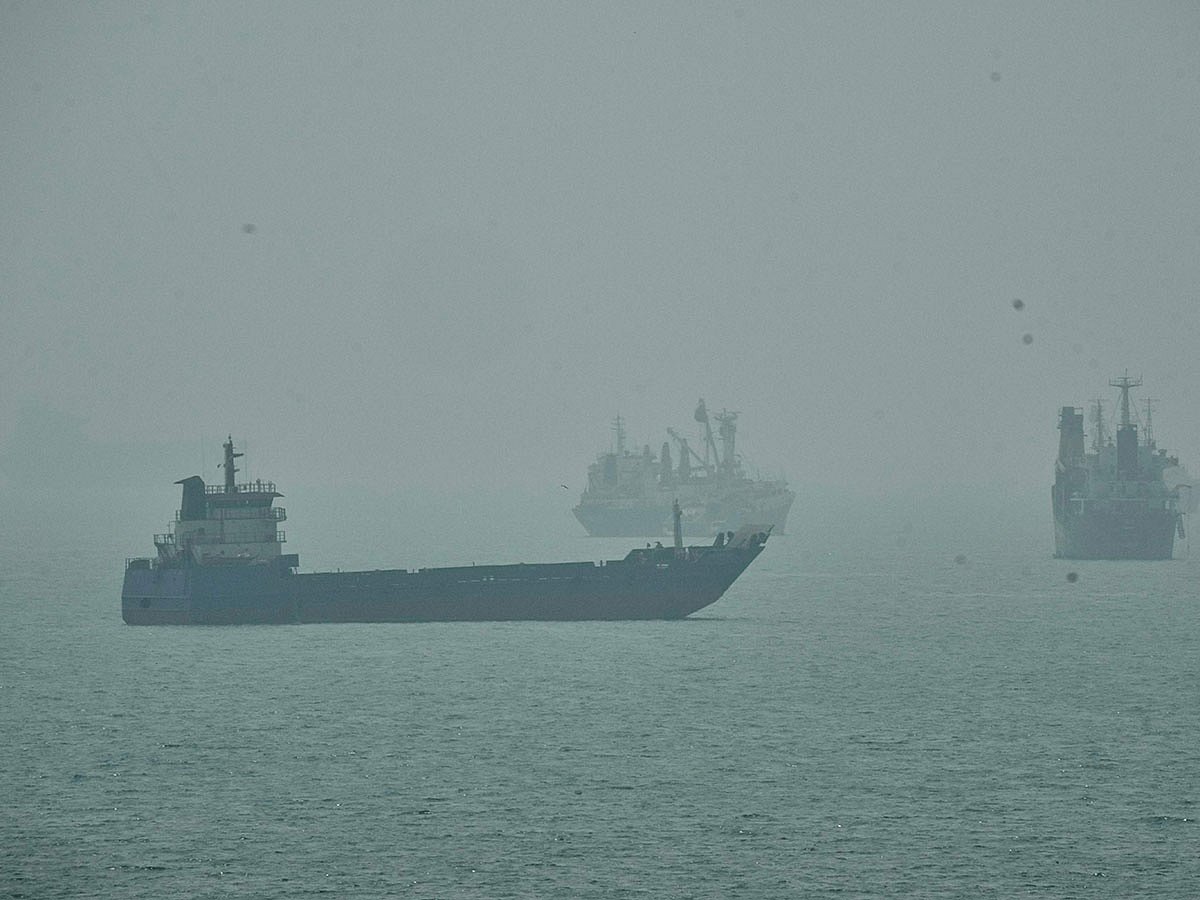
Dubai: Iran has offered to reopen the Strait of Hormuz within seven days if the United States begins easing military pressure, Kyodo News reported Tuesday, signalling a potential diplomatic opening as Iranian leaders gather in New York for the UN General Assembly.
The proposal has been conveyed to Washington through mediators and calls for renewed negotiations aimed at reaching a permanent end to hostilities, Kyodo reported, citing a senior Iranian government official.
Tehran plans to consult intermediary countries during the UN General Assembly, although the official ruled out a meeting between Iranian President Masoud Pezeshkian and US President Donald Trump.
The official said the initiative had been approved by Supreme Leader Mojtaba Khamenei and the Supreme National Security Council.
Iran is seeking an end to the blockade of its ports and US military operations related to the strait.
Severely disrupted
The reported proposal puts Hormuz — one of the world’s most important energy corridors — at the centre of potential diplomatic efforts to ease the conflict.
Traffic through the waterway, through which one-fifth of the world’s hydrocarbons passed before the war, has been severely disrupted. Iran has fired on commercial ships and demanded that it approve passage, while the United States has maintained a counterblockade of Iranian ports and increased economic pressure on Tehran.
The reported offer emerged as senior Iranian officials in New York and Tehran stressed that the country would continue defending its positions while leaving room for diplomacy.
Pezeshkian, who is due to address the UN General Assembly on Wednesday, said before departing Iran that Tehran would “firmly defend” its positions at international forums.
“We will make the best possible use of this opportunity to convey Iran’s plight to the international community,” he said.
Pezeshkian is the highest-ranking Iranian official to set foot on American soil since the Middle East war began in late February with US-Israeli strikes on Iran.
The United States approved UN visits for part of the Iranian delegation despite the war, but imposed movement restrictions. Pezeshkian’s communications team was denied visas, a move Iranian presidential spokesman Habibollah Abbassi described as “hostile”, according to local media.
‘Diplomacy is not surrender’
In Tehran, parliament speaker Mohammad Bagher Ghalibaf said diplomacy should be used to turn military strength into political gains.
“Diplomacy is not surrender. It is about turning strength on the battlefield into political gains,” Ghalibaf said Tuesday.
He said negotiations were also a form of confrontation and that Iran would not bow to pressure from Trump.
Meanwhile, Foreign Minister Abbas Araghchi, who is in New York for the General Assembly, said Iran remained in a “state of war” following the US-Israeli attacks and subsequent developments.
Araghchi said Pezeshkian would address the General Assembly and hold bilateral meetings and media interviews during his visit.
“Our foremost objective is to use a major international platform to defend the rights, interests and just cause of the Iranian people,” he said.

Sign up for the Daily Briefing
Get the latest news and updates straight to your inbox
Network Links
GN StoreDownload our app
© Al Nisr Publishing LLC 2026. All rights reserved.