The origins of World Kindness Day dates back to a 1997 conference in Tokyo, Japan, where representatives of kindness organisations from different countries came together to establish an international movement.
Friday the 13th vs World Kindness Day: Is it time to trade bad luck for good deeds?
A clash of superstition and compassion: Friday the 13th meets World Kindness Day
Last updated:
4 MIN READ
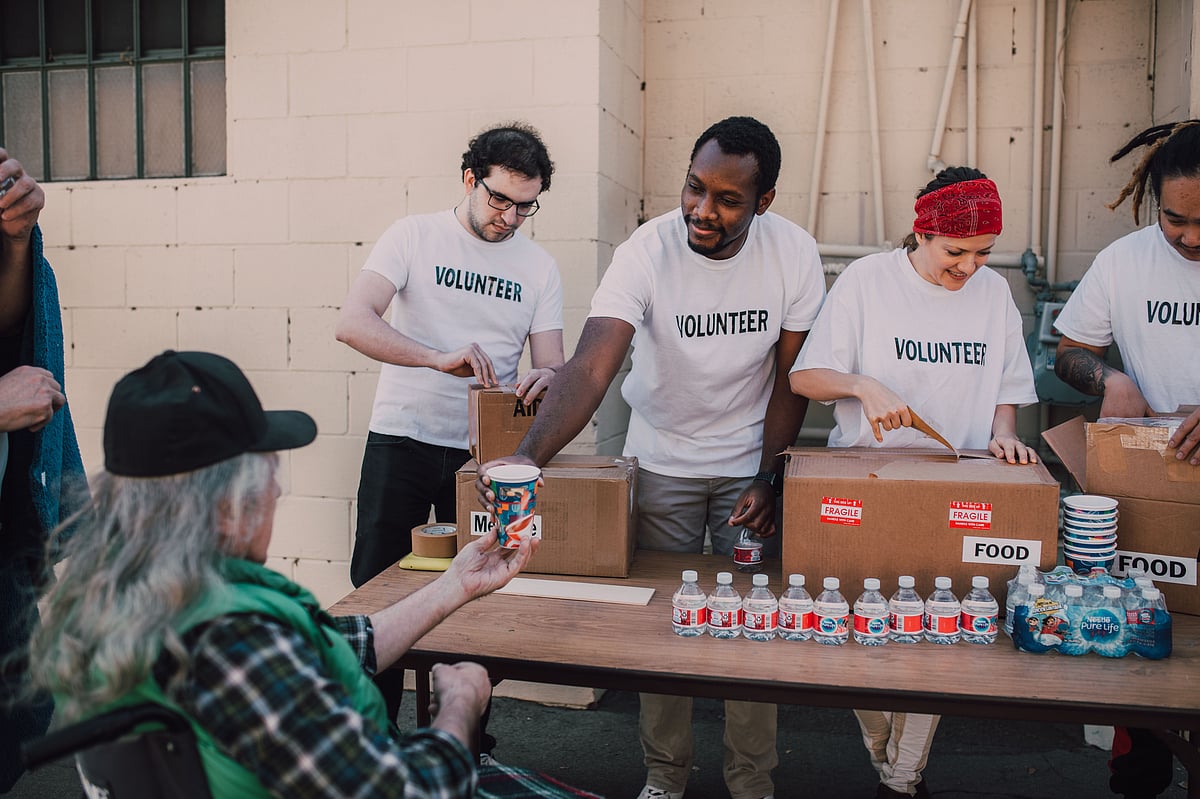
Volunteers at work: World Kindness Day, marked for November 13, has a broader message that remains the promotion of kindness through everyday actions.
Pexels | RDNE Stock project
Friday the 13th (today) and World Kindness Day fall on the same date this year.
This create an unusual clash: one of the world's best-known superstitions vs a global celebration encouraging people to do good.
For some, Friday the 13th is a day associated with bad luck, accidents and misfortune.
For others, November 13 is an opportunity to spread kindness through simple gestures, volunteer work and acts of generosity.
'Coincidence'
The coincidence offers an interesting contrast: while superstition tells people to watch out for bad luck, World Kindness Day encourages them to create something positive.
And there is no scientific evidence that Friday the 13th is inherently more unlucky than any other Friday.
Why is Friday the 13th considered “unlucky”?
The superstition surrounding Friday the 13th has roots in centuries-old Western beliefs about the number 13 and the day Friday.
The number 12 has traditionally been associated with completeness: 12 months in a year, 12 zodiac signs.
The number 12 universally represents cosmic order, completeness, harmony, and structural balance across various cultures, religions, and timekeeping systems.
The number 13, by contrast, became associated with disorder and bad fortune.
One explanation links the superstition to the Last Supper, where Jesus dined with 12 apostles, making 13 people at the table.
Judas, who betrayed Jesus, was traditionally identified as the 13th guest. Good Friday, meanwhile, is associated with the crucifixion of Jesus.
However, historians have not established one definitive origin for the Friday the 13th superstition.
The fear even has a name:
Triskaidekaphobia: Fear of the number 13.
Paraskevidekatriaphobia: Fear of Friday the 13th.
The superstition became deeply embedded in popular culture through books, films and stories about mysterious misfortunes.
The 1980 horror film Friday the 13th helped turn the date into an internationally recognised horror reference.
HISTORY
Importantly, the date is not scientifically established as “unlucky”. National Geographic notes that research has generally found no evidence that Friday the 13th is more dangerous or unfortunate than other calendar days.
What is World Kindness Day?
November 13 – World Kindness Day: An international observance promoting compassion, generosity, empathy and good deeds.
World Kindness Day was launched on November 13, 1998, by the World Kindness Movement.
The initiative aims to encourage individuals, communities and nations to make kindness a more visible part of everyday life.
According to the movement, its mission is to inspire individuals and connect nations to create a kinder world.
We are Kinder
UNESCO's Mahatma Gandhi Institute of Education for Peace and Sustainable Development (MGIEP) has also highlighted the importance of empathy, compassion and social-emotional learning in developing kinder communities.
UNESCO MGIEP
Unlike a public holiday, World Kindness Day is primarily an awareness and participation event. It does not require a formal ceremony, expensive gifts or organised celebrations.
Friday the 13th vs World Kindness Day: What's the difference?
| Friday the 13th | World Kindness Day |
|---|---|
| Rooted in superstition | Rooted in a global social movement |
| Associated with bad luck | Associated with goodwill |
| Popularised by horror culture | Promotes compassion and empathy |
| Observed whenever the 13th falls on Friday | Celebrated every November 13 |
| Focuses on folklore and cultural beliefs | Encourages practical positive action |
The interesting coincidence: Both observances fall on Friday, November 13, in 2026.
National Geographic identifies three Friday the 13th dates in 2026: February 13, March 13 and November 13.
How to celebrate World Kindness Day: 10 simple activities
World Kindness Day is designed around actions that people can practise at home, school, work and in their communities.
1. Share food with people in need
Donate meals, groceries or packed lunches to low-income families, street dwellers and vulnerable communities.
2. Community clean-up, switch off lights when not needed
Bring neighbours, friends or colleagues together to clean streets, parks and public spaces.
3. Donate books and school supplies
Help students from disadvantaged families access learning materials.
4. Help senior citizens
Assist elderly neighbours with groceries, errands, transportation or household chores.
5. Join a blood donation drive
Participate in an organised blood donation programme with Red Cross/Red Crescent Societies, if eligible.
6. Send appreciation messages
Thank teachers, healthcare workers, delivery riders, security guards and other people whose work often goes unnoticed.
7. Donate clothes and essentials
Give clean, usable clothing, blankets and hygiene products to charities and shelters.
8. Support animal shelters
Donate pet food, volunteer at shelters or help animals find responsible homes.
9. Check on someone who may be struggling
Reach out to friends, relatives or colleagues who may need someone to listen.
10. Practise kindness online
Avoid cyberbullying, share helpful information, recognise other people's achievements and think before posting hurtful comments.
What is happening in 2026?
Here are some developments and useful points for this year's observance:
November 13, 2026: World Kindness Day falls on a Friday, coinciding with the third Friday the 13th of the year.
World Kindness Movement campaign: The organisation's current website promotes the message #OneVoiceForKindness, encouraging people and organisations to support a kinder world.
We are KinderCommunity initiatives: One example of a 2026 kindness-related campaign is The Shoebox Project for Women's holiday campaign in Simcoe and Grey counties, Canada. Running from November 13 to December 13, it invites people to donate gift-filled boxes for women and gender-diverse individuals experiencing homelessness or hardship.
No universal annual theme confirmed: The available World Kindness Movement information does not establish a separate official worldwide theme for November 13, 2026. Its broader message remains the promotion of kindness through everyday actions.
Network Links
GN StoreAbout Gulf NewsTerms & ConditionsReach by GNSitemapContact usPrivacy PolicyGN FocusHave your sayWork with usAdvertise with usGulf News epaperPrinting Services
Download our app
© Al Nisr Publishing LLC 2026. All rights reserved.