Branded the ‘lizard family,’ Indonesian household turns stigma into global awareness
Manurung siblings turn social stigma into support through TikTok and YouTube
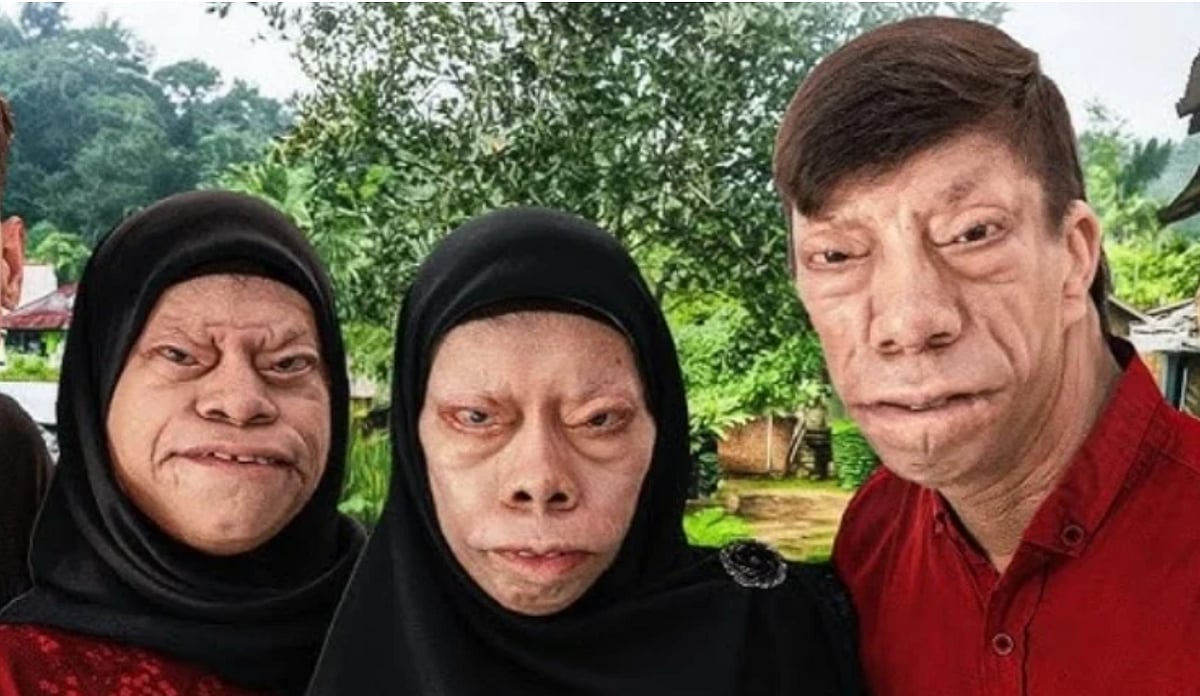
Dubai: In a remote village in North Sumatra, Indonesia, the Manurung family has found itself thrust into an unexpected global spotlight, as videos documenting their daily lives spread rapidly across social media, challenging long-held prejudices and misconceptions.
Four of the six Manurung siblings were born with a rare genetic condition that affects facial structure, a difference that for years led neighbours to whisper that the family was cursed.
In Kedungkang village, their appearance initially triggered social isolation and deep stigma, with some residents cruelly describing the siblings as resembling “lizards” — a demeaning label rooted in superstition rather than science.
Medical reality, however, tells a very different story. The siblings live with Treacher Collins syndrome, a rare inherited disorder that affects the development of facial bones, often resulting in underdeveloped cheekbones, a small jaw and distinctive facial features.
The condition does not affect intelligence, internal organs or life expectancy. Yet its visible nature has made those who live with it frequent targets of discrimination.
In a documentary aired by the YouTube channel Truly, the family’s father explained that the condition runs in the family and that he, too, is affected. “The facts are clear,” he said. “Our faces are different, but we accept it and we live our lives.”
That acceptance did not come easily. One of the brothers, Surya Manurung, has spoken openly about years of rejection, particularly while seeking work, describing how appearance alone often closed doors before he had a chance to speak. “In the early years, it was constant,” he said, recalling a loss of confidence shaped by repeated judgement.
The turning point came with social media. Rather than retreating further, the family chose visibility, sharing candid moments of work, family life and humour online. Their authenticity resonated far beyond their village. Today, their YouTube and TikTok channels count millions of followers, transforming what was once a source of shame into a livelihood.
More importantly, the Manurungs have become unlikely advocates. Their platforms now serve as spaces for education about rare genetic conditions and messages of self-acceptance, reframing difference not as a curse, but as part of human diversity.
Network Links
GN StoreDownload our app
© Al Nisr Publishing LLC 2026. All rights reserved.