EAD expands desert vegetation project across Abu Dhabi
AI and drones to map plant cover and track climate impact with greater precision
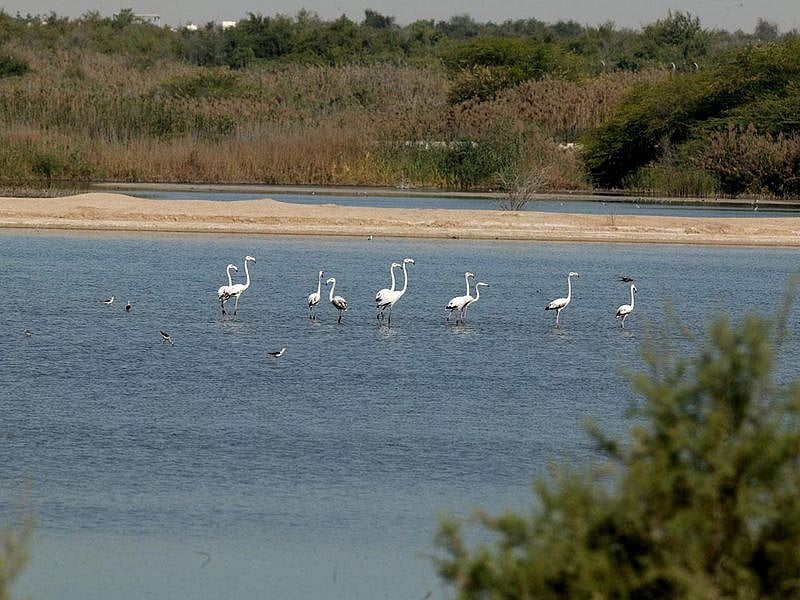
Abu Dhabi: The Environment Agency – Abu Dhabi (EAD) has announced the expansion of its desert vegetation classification project to cover new areas across the emirate this year, reflecting the agency’s commitment to enhancing the sustainability of natural resources and advancing environmental monitoring through the latest technologies.
The project uses artificial intelligence and unmanned aerial vehicles (drones) to analyse and classify vegetation cover with high precision. This is done by integrating spectral signatures with advanced scientific indicators, allowing experts to track changes in natural habitats and better understand ecosystem responses to factors such as grazing and climate change. The approach provides accurate data to support environmental planning and informed decision-making.
Get updated faster and for FREE: Download the Gulf News app now - simply click here.
EAD said the expansion builds on its long-term efforts to monitor vegetation cover over extended periods, helping assess the impact of climate change and pressures from human activities, including overgrazing and off-road vehicle use in desert areas, and their effect on habitat sustainability.
Advanced technologies
The project continues the agency’s strategy of using advanced technologies in environmental work. EAD has previously launched several initiatives using artificial intelligence and drones for soil monitoring, detecting environmental change, and restoring habitats. These efforts have helped build a comprehensive and precise environmental database, paving the way for more advanced vegetation analysis and improving the efficiency of monitoring processes.
Environmental impact
The agency said adopting modern technologies has significantly improved fieldwork efficiency, allowing access to areas that are difficult to reach using traditional methods while reducing the environmental impact of surveys. This approach has also led to a 90% reduction in operational and administrative costs, along with a significant cut in the time needed to complete studies compared with conventional methods.
Specialised teams at EAD have used artificial intelligence and drones to survey large areas of terrestrial habitats, collecting and analysing detailed data on key biological indicators of native plant species. This has helped assess vegetation health and identify major influencing factors, whether natural or linked to human activity.
Earlier phases of the project also included photographic documentation of wildlife distribution and analysis of how these species interact with vegetation cover, contributing to a deeper scientific understanding of desert ecosystems and their dynamics.
Smart platform
As part of its digital transformation, EAD has developed an integrated geospatial database platform that enables real-time reporting and precise analysis, improving environmental data management. The agency has also tested the use of drones to disperse native plant seeds in selected areas, aiming to study natural regeneration rates based on rainfall and soil quality, with annual monitoring to measure germination success.
EAD said the project marks a major step forward in environmental practice, strengthening its ability to protect biodiversity and support data-driven conservation, in line with the emirate’s vision for a sustainable future.

Sign up for the Daily Briefing
Get the latest news and updates straight to your inbox
Network Links
GN StoreDownload our app
© Al Nisr Publishing LLC 2026. All rights reserved.