The UAE built world-class cultural institutions: What comes next?
Why investing in Emirati musicians is the next chapter in the nation’s cultural journey
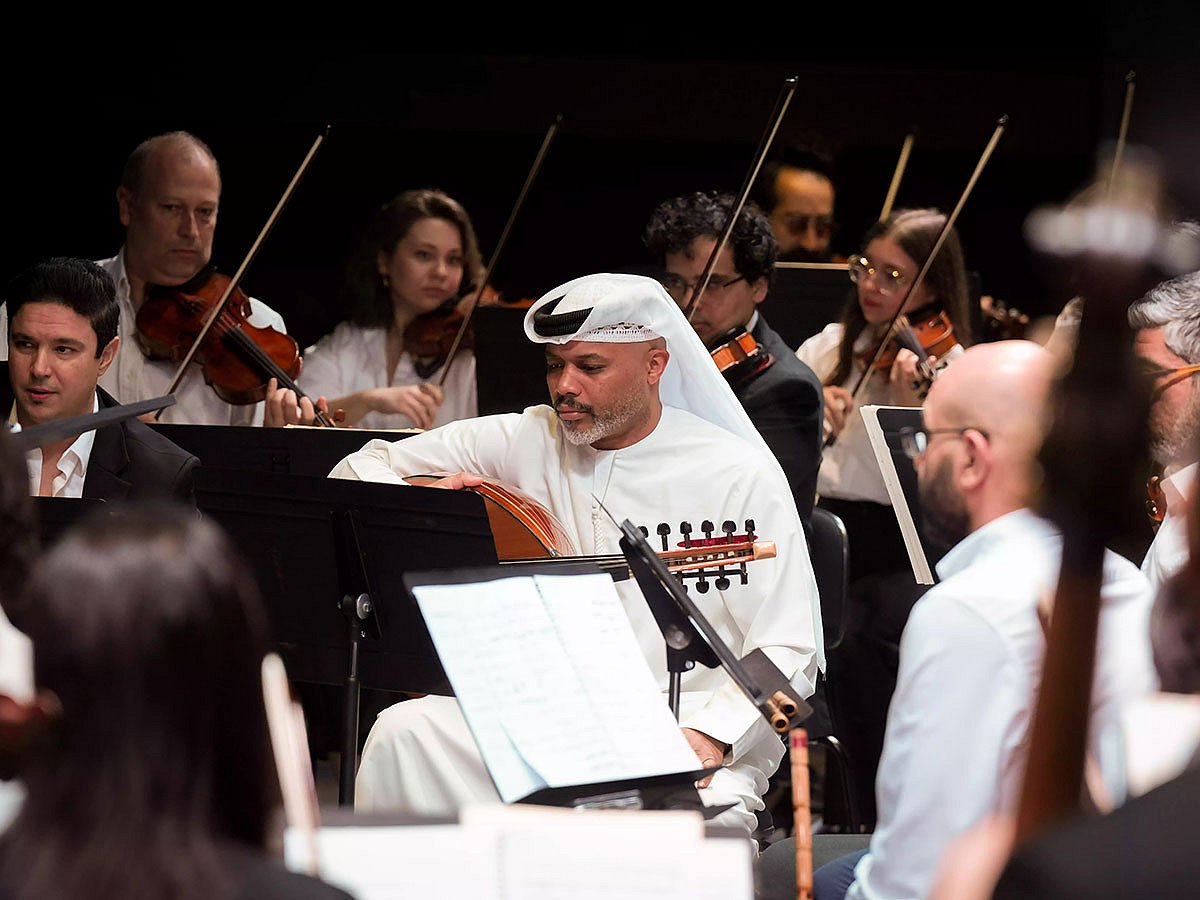
Cultural ambition is measured by what a country builds. Cultural strength is defined by who carries it forward. With the launch of Tashyeed, a new phase in the country’s cultural development comes into focus. The focus is no longer only on what has been built, but on how that progress is carried forward.
Over the past decade, the UAE has accelerated its cultural ambitions. National institutions have been established, creative industries have expanded, and culture has become an increasingly visible part of economic and social life. This growth has positioned the UAE as a regional leader in cultural investment. In Dubai alone, the cultural and creative industries contribute around 4 per cent of GDP, underlining the sector’s growing economic and strategic importance. The next phase is about ensuring this momentum is matched by depth and visibility.
Cultural infrastructure
Cultural infrastructure is not only defined by what is built. It is defined by who carries it forward. For the UAE, this raises an important question: who will shape the country’s musical future from within? Abu Dhabi’s designation as a UNESCO City of Music reflects the scale of ambition and investment already shaping the country’s musical landscape.
As the country’s national orchestra, this is not only a question we observe, but a responsibility we carry. National institutions must play a role in developing the talent that will sustain them.
The UAE is home to talented young musicians with strong foundations and clear potential. Across the region, structured pathways into professional orchestral environments are still developing. Musical excellence is built through discipline, mentorship, and the experience of working within a professional ensemble environment. These are the conditions that allow talent to translate into long-term capability.
The first priority is structural. This is why the UAE National Orchestra has introduced Tashyeed, a capacity-building programme focused on developing Emirati musicians within a professional orchestral environment. It represents a deliberate investment in the human infrastructure required to sustain the UAE’s cultural future. This focus aligns with broader national priorities, including the UAE Cultural and Creative Industries Strategy 2031, which emphasises supporting creative talent and ensuring long-term sustainability of the cultural sector.
Structured programme
Through Tashyeed, 17 Emirati musicians will develop through a structured programme that combines technical training, ensemble work, mentorship, and rehearsal participation. Just as importantly, they gain direct exposure to the standards, discipline, and collaborative practice that define orchestral performance at a professional level. Internationally, leading orchestras are sustained by strong national talent pipelines, often developed over decades through dedicated academies and structured training systems. Building this capability locally will support the UAE in developing a distinct and enduring musical identity.
In established cultural centres, orchestral ecosystems have been built and refined over generations, creating a depth of capability that develops over time. For a young and ambitious nation, this makes sustained investment in people both timely and important.
A second priority is consistency. What distinguishes this moment is not only the introduction of a new programme, but the recognition that long-term cultural strength is built through systems. Developing a pipeline of talent requires continuity, structure, and a commitment that extends across institutions and over time.
Initiatives like this are not simply about training. They ensure the UAE’s cultural ambitions are supported by the capability needed to sustain them. As the late Sheikh Zayed bin Sultan Al Nahyan, the nation’s founding father, once said, “We should preserve and develop our heritage so that it becomes a resource for this nation and future generations.” That principle continues to guide cultural development today.
Ambition and talent
Cultural infrastructure is strengthened by the people who carry it forward. Long-term ambition is most effective when matched by the talent and experience needed to sustain it. For music, this means investing not only in performance but in the process behind it.
When Emirati musicians take their place within professional orchestras, they bring more than technical ability. They bring a lived understanding of this country, its rhythms, its traditions, and its evolving identity. They shape how music is performed, felt, and carried forward. It is through this perspective that a nation’s sound becomes its own.
Tashyeed is only the beginning. It forms part of a broader commitment to developing the UAE’s musical ecosystem through education, community engagement, and future pathways for performers and composers alike. This work is about building the depth required for culture to thrive across generations.
The responsibility of a national orchestra is not only to perform, but to contribute to this development. To help create the conditions in which talent can grow and support the country’s cultural ambitions through people as well as institutions.
The UAE has built the stage. Now it is building the people who will define what is heard on it.
Sheikha Alia bint Khalid Al Qassimi is Managing Director of the UAE National Orchestra
Sign up for the Daily Briefing
Get the latest news and updates straight to your inbox
Network Links
GN StoreDownload our app
© Al Nisr Publishing LLC 2026. All rights reserved.