Teaching children to be human in the age of AI
As technology grows smarter, empathy, judgment and human connection matter more than ever
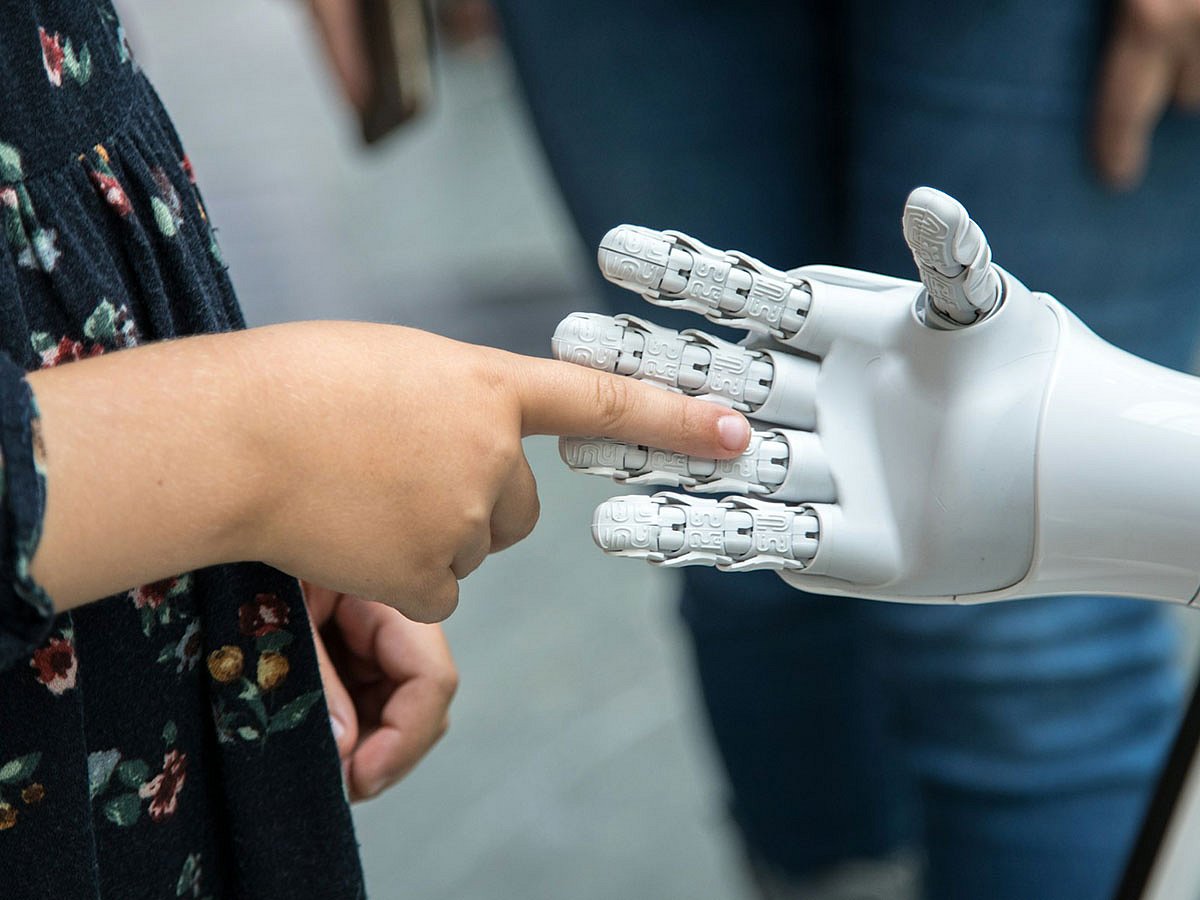
Artificial intelligence is rapidly becoming part of the landscape of childhood. It can answer questions, create stories, generate images, translate languages, solve complex problems and personalise learning in ways that were unimaginable a generation ago. Used judiciously, AI is an extraordinary tool - one that can extend human capability and open new possibilities for learning and creativity.
But as we teach children how to use AI, we must also teach them something far more fundamental: how to remain human in an age of intelligent machines.
The greatest challenge before us is not whether children will know how to use technology. They almost certainly will. The real question is whether, amid algorithms and artificial intelligence, they will retain the qualities that make us distinctly human - empathy, compassion, curiosity, courage, kindness, discernment, resilience, patience and the ability to form meaningful relationships.
AI can simulate a conversation, but it cannot replace the warmth of a reassuring hug. It can generate a poem about grief, but it does not experience loss. It can offer advice, but it does not possess human conscience or lived experience. It can identify patterns, but it cannot assume responsibility for the choices we make. That distinction matters.
AI not a substitute for human instinct
Children therefore need to understand that AI is a tool, not a substitute for human instinct, relationships or values. We should encourage them to question, explore, create and learn - but never surrender their own judgment to it. The ability to ask, “Is this right?” is ultimately more important than the ability to ask, “Is this possible?”
And human qualities are not taught through lectures alone. They are cultivated through experience. We need to give children opportunities to interact with people - not just screens. Family meals where everyone talks. Visits to grandparents and relatives. Conversations with neighbours. Playing outdoors with friends. Participating in sports, music, theatre and community activities. Helping someone who needs support. Listening to another person’s story. Resolving disagreements face to face.
Lessons in humanity
These seemingly ordinary experiences are powerful lessons in humanity. They teach children to read facial expressions, interpret emotions, negotiate differences, wait their turn, apologise, forgive and understand perspectives different from their own. No algorithm can fully replicate the richness of these experiences. This is why boundaries around devices matter. Technology should not quietly consume the time that children need for relationships, play, reflection and conversation. Families need clear and consistent expectations around screen use, particularly during meals, family time and before bedtime. The objective is not to make children fearful of technology, but to ensure that technology does not become the default answer to boredom, loneliness or discomfort.
There is another dimension of digital parenting that deserves far greater attention: what children consume matters as much as how much they consume. A child’s developing mind is profoundly influenced by the stories, images and behaviours to which it is repeatedly exposed. Parents therefore need to be thoughtful about age-appropriate television programmes, films, social media and online content.
Violence and horror, in particular, should not be introduced casually or prematurely. Young minds do not always have the emotional maturity to process what they see. Repeated exposure to graphic violence or adult themes can desensitise children, making extreme behaviour appear normal and potentially dulling the emotional response that such behaviour should evoke. The same applies to the portrayal of relationships, gender, conflict and success. Children absorb messages about how men and women behave, how people treat one another, what constitutes popularity and what is considered acceptable - all often without consciously recognising that they are learning these lessons.
Gradual exposure
This does not mean shielding children from everything difficult. Quite the opposite. Children eventually need to understand that the world contains violence, injustice, suffering and complexity. But exposure needs to be gradual, contextualised and age appropriate, allowing them to develop the emotional and cognitive maturity to make sense of what they encounter.
Schools have an equally important role to play. Education cannot be reduced to academic achievement or digital fluency. We must deliberately create spaces where children collaborate, debate, serve others, create, perform, lead and sometimes fail. We must teach digital literacy alongside emotional literacy; critical thinking alongside compassion; innovation alongside ethics.
The age of AI will require children who are technologically capable - but also morally grounded. We should not fear machines becoming more intelligent. We should worry about humans becoming less thoughtful, less empathetic and less connected. Our responsibility is therefore not to raise children who can compete with machines at being machines. It is to raise children who know what machines cannot be - and what they themselves must never stop being.
In the age of artificial intelligence, perhaps our most important educational ambition should be very simple: teach children to be human.
Dr Sheeba Jojo is an educator living in the UAE
Sign up for the Daily Briefing
Get the latest news and updates straight to your inbox
Network Links
GN StoreDownload our app
© Al Nisr Publishing LLC 2026. All rights reserved.