Beyond plastic: The next circular economy challenge
Why tackling organic waste is critical to achieving the UAE’s sustainability goals
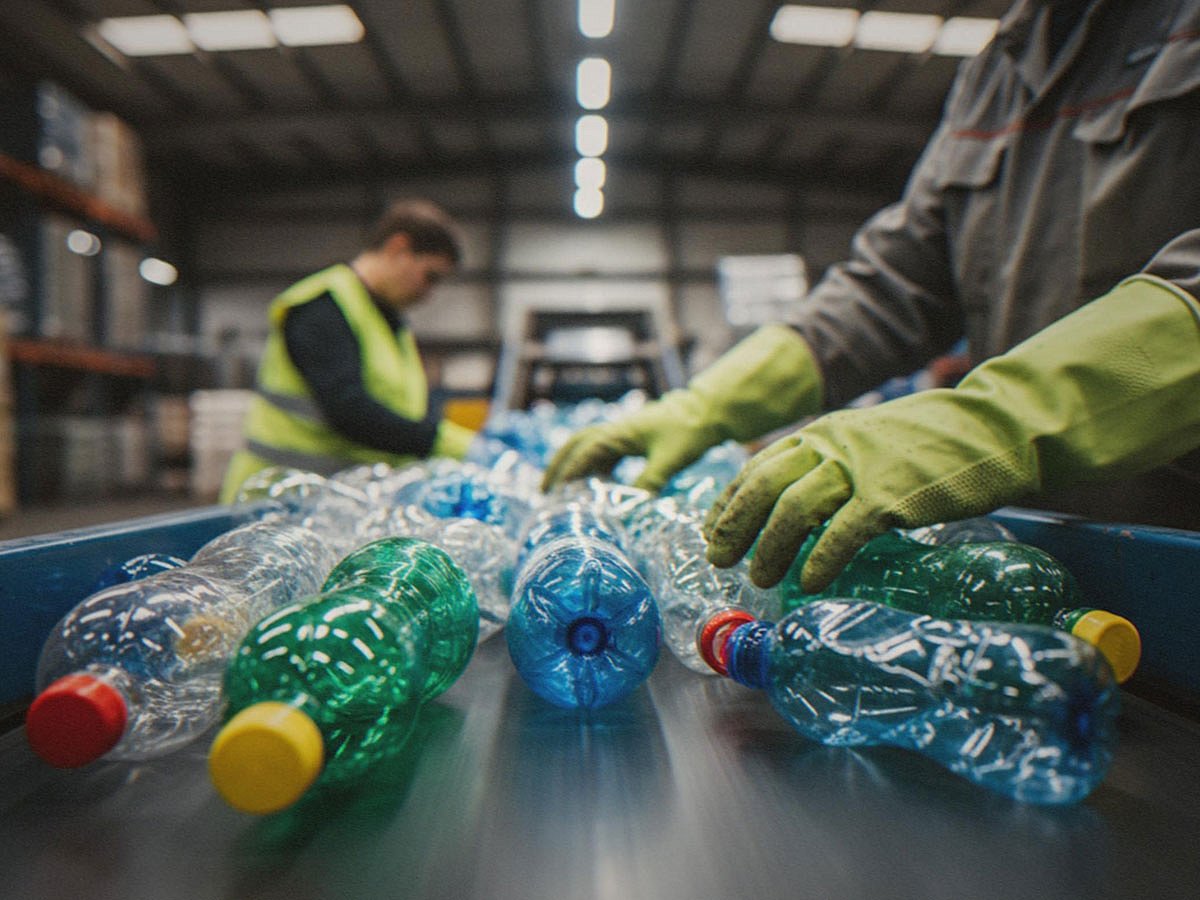
In the UAE, the circular economy conversation has, for too long, been disproportionately focused on plastic. Single-use bans, recycled content mandates, and material substitution strategies have shaped much of the policy agenda and corporate sustainability narrative. This focus has delivered visible progress, but it also risks narrowing what a circular economy is meant to achieve. A far more consequential systems challenge sits largely outside this debate, one that lies at the heart of waste generation, emissions intensity, and resource efficiency.
The real blind spot in circular economy design is not plastic. It is organic waste.
To achieve the ambitions of its UAE Green Agenda 2030 and UAE Circular Economy Policy 2031, the waste strategy must pivot decisively away from an almost exclusive focus on plastics and toward the far larger, more climate-intensive problem of organic waste.
Get updated faster and for FREE: Download the Gulf News app now - simply click here.
This misalignment is significant. Organic waste accounts for nearly 40% of municipal solid waste, yet it is still treated as a downstream disposal issue rather than a core systems design priority. As landfill pressures rise and sustainability commitments accelerate, this gap is becoming harder to ignore.
Organic waste: the overlooked climate lever
Globally, food waste accounts for close to a billion tonnes annually, more than double plastic waste volumes.
When landfilled, organic waste decomposes it produces methane, a greenhouse gas with more than 80 times the global warming potential of CO2₂ over 20 years. This makes organic waste diversion one of the fastest and most effective climate mitigation tools available.
In the UAE, the challenge is amplified by consumption patterns, rapid urbanisation, and a large hospitality sector. Organic waste accounts for a significant share of municipal waste streams, and without targeted intervention, this will continue to drive avoidable emissions, increase reliance on landfills, and forfeit valuable resources that could otherwise be recovered and reused.
A systems problem disguised as a materials debate
Material innovation is an important part of the circular economy transition. Recycled, recyclable, and compostable alternatives to conventional plastics all have a role to play in reducing waste and supporting more sustainable consumption.
But materials alone are not enough. Compostable packaging, including polylactic acid (PLA), is more sustainable option.
However, if there is no separate collection for organic waste, no industrial composting facilities, and limited capacity to process organic materials, compostable packaging cannot fulfil its intended purpose. Instead, it often ends up in the same waste streams as conventional materials, where much of its potential value is lost.
This is why the conversation must extend beyond the products we design to the systems that support them. To unlock the full benefits of material innovation, investment in collection, recovery, and processing infrastructure needs to keep pace. Circularity is not just about choosing better materials; it is about ensuring the right systems are in place to make those choices count.
Contamination: the biggest challenge
Organic waste streams are often mixed with plastics, packaging, and other unwanted materials, making recovery far more difficult. Microplastics, mixed waste, and heavy metals can all compromise the quality of compost and digestate, limiting their use in agriculture, landscaping, and other applications.
This is why source separation is so important. Without clear segregation at the point of disposal and enforceable standards for contamination, organic waste recovery becomes harder to scale, more expensive to operate, and less effective in delivering environmental value.
Why policy design is the missing link
Circular economy outcomes require more than voluntary participation. They depend on regulatory frameworks, economic signals, and enforcement mechanisms across the value chain.
In effective systems, landfill diversion is driven by economic instruments such as landfill tipping fees, penalties for mixed waste, and pricing structures that make separation the default behaviour.
Without similar mechanisms, organic waste diversion remains structurally under-incentivised.
Compostable materials need certification, not assumptions
Compostable packaging can play a critical role in the UAE circular economy. But to achieve its potential, it must move beyond claims of biodegradability into verified system compatibility.
This requires a national certification framework testing materials under UAE conditions, including heat, humidity, and waste composition.
Such a framework prevents greenwashing and ensures compatibility with composting and digestion systems, protecting output quality.
Without it, compostable materials risk becoming another ineffective intervention.
A strategic industrial opportunity
Organic waste systems also link to a broader industrial opportunity: biopolymer value chains, including PLA and lactic acid production.
This aligns with the UAE’s industrial diversification agenda and supports import substitution and biotechnology-led manufacturing.
However, industrial growth must match system readiness. Scaling production without end-of-life infrastructure risks shifting environmental burdens rather than solving them.
The opportunity lies in building an integrated circular system connecting production, consumption, and recovery.
From substitution to system design
The UAE’s circular economy agenda has made strong progress in material innovation and waste reduction. But the next phase will not be defined by substitution alone.
It will be defined by system design.
Organic waste is the largest, most climate-relevant, and most underutilised part of the waste stream. Treating it as secondary limits circular economy effectiveness.
If the UAE is to achieve its UAE Green Agenda 2030 and UAE Circular Economy Policy 2031, it must shift to a system-centric approach where organic waste diversion becomes a primary design priority.
Because circularity is not defined by what we replace. It is defined by what we recover.
Francois De Bie is Chief Commercial Officer, Emirates Biotech
Sign up for the Daily Briefing
Get the latest news and updates straight to your inbox
Network Links
GN StoreDownload our app
© Al Nisr Publishing LLC 2026. All rights reserved.