Daughter of Carcinoma patient
Young bride diagnosed with uterine cancer at 24 welcomes healthy baby after fertility-preserving treatment at Medcare Royal Speciality Hospital
Young woman beats cancer without giving up on her dream to be a mother
Last updated:
4 MIN READ
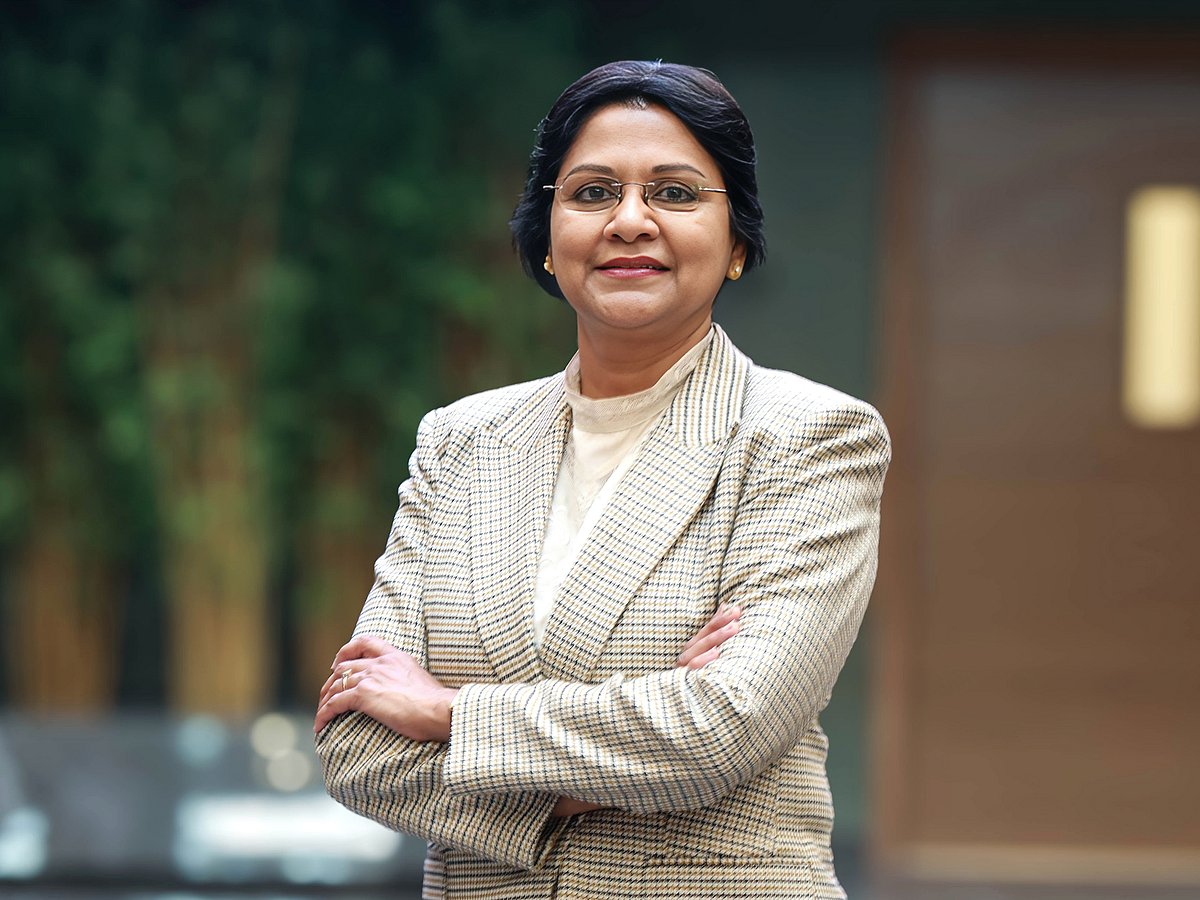
Dr Rajalakshmi Srinivasan, Specialist in Obstetrics and Gynaecology, Medcare Royal Speciality Hospital
Just months after getting married, 24-year-old Shruthy was looking forward to starting a family. Instead, persistent heavy bleeding led to a diagnosis that changed everything -- early-stage uterine cancer.
For the young woman, the fear extended beyond cancer itself.
Like many women her age, she had always dreamed of becoming a mother. When doctors confirmed the diagnosis, she feared the treatment could permanently take that dream away.
Today, just over a year later, Shruthy is celebrating two milestones she once thought might never happen. She remains cancer-free and is now the proud mother of a healthy baby girl after undergoing fertility-preserving treatment at Medcare Royal Speciality Hospital in Al Qusais.
Doctors say her case demonstrates how early diagnosis and carefully selected treatment can not only cure certain early-stage cancers but also preserve a young woman's ability to have children.
Shruthy's journey began when persistent heavy menstrual bleeding caused significant anaemia, prompting doctors to investigate further.
Initial examinations suggested a uterine polyp measuring 2.2 by 1.7 centimetres. The growth was removed through a minimally invasive hysteroscopic procedure. However, laboratory analysis revealed something entirely unexpected — early-stage endometrial cancer.
For most women diagnosed with this condition, the standard treatment involves removing the uterus, ending any possibility of future pregnancy.
"When I received the diagnosis, it felt like everything I had planned for in my life had disappeared," Shruthy recalls her experience. "My biggest fear was not only the diagnosis itself but the possibility that I might never be able to have children, as I knew that treatment for this type of cancer often involves removing the uterus."
A rare diagnosis in a young woman
Endometrial cancer develops in the lining of the uterus and is one of the most common gynaecological cancers worldwide. In the UAE, it is the fourth most common cancer affecting women and accounts for approximately five to six per cent of female cancer diagnoses. However, it is most frequently diagnosed in women between 60 and 69 years of age and is relatively uncommon in women in their twenties.
Because Shruthy's cancer was detected at a very early stage and had not spread beyond the uterus, doctors were able to explore a treatment approach that is only suitable for carefully selected patients — preserving both her health and her fertility.
A multidisciplinary team reviewed her case before deciding to pursue conservative hormonal therapy instead of immediate surgery.
Dr Rajalakshmi Srinivasan, Specialist in Obstetrics and Gynaecology at Medcare Royal Speciality Hospital, said, "Because the cancer was detected early, we were able to consider a conservative, fertility-preserving hormonal therapy. This is not always possible, but in carefully selected cases, it can change the entire trajectory of a patient's life."
Further investigations, including PET imaging, specialised pathology studies and genetic testing, confirmed that the cancer remained confined to the uterus despite a significant family history of uterine and breast cancers.
Commenting on the diagnosis, Dr. Rajalakshmi said, "Endometrial cancer develops in the lining of the uterus and is one of the most common gynaecological cancers worldwide. However, it is typically diagnosed in women after menopause and is relatively uncommon in women in their twenties. When detected early, as in this case, the chances of successful treatment are significantly improved."
"Further investigations, which included PET imaging, specialised pathology studies, and genetic testing, confirmed the diagnosis of a well-differentiated, low-grade endometrial carcinoma confined to the uterus, with no evidence of spread to lymph nodes or other organs. Doctors also noted a significant family history of cancer, including relatives affected by advanced uterine and breast cancer,” she added.
Instead of a hysterectomy, Shruthy underwent a carefully monitored treatment programme combining hormone therapy with a hormone-releasing intrauterine device.
Over the following six months, doctors closely monitored her progress through repeated imaging, hysteroscopic evaluations and laboratory testing to ensure the cancer was responding to treatment.
Reflecting on the treatment plan, Dr. Rajalakshmi said, "It was fortunate that this cancer was detected at an early stage, before it had spread beyond the lining of the uterus. This gave us an opportunity to consider treatment options that would not only address the cancer but also preserve the patient's fertility."
A dream realised
Just two months after being declared cancer-free, Shruthy conceived naturally.
Her pregnancy progressed without complications, and at 38 weeks she delivered a healthy baby girl weighing 2.8 kilogrammes.
"Holding my daughter for the first time was overwhelming," she says. "There was a time I thought I might lose both my health and my dream of becoming a mother. Today, I have both."
The patient tolerated the hormonal treatment well, experiencing only temporary side effects. After six months of treatment, follow-up investigations including ultrasound, MRI, and a hysteroscopy procedure confirmed complete regression of the disease. She conceived naturally just two months after completing treatment. Detailed pathology analysis confirmed the absence of cancerous or pre-cancerous changes.
"In carefully selected patients with early-stage disease, fertility-preserving hormonal treatment can be both safe and effective. While hysterectomy remains the standard treatment for many women with endometrial cancer, advances in diagnosis, monitoring, and hormonal therapy are creating new possibilities for younger patients who wish to preserve their reproductive potential. Most importantly, it highlights why persistent abnormal bleeding should never be ignored, regardless of age. Early diagnosis can make a profound difference not only in treating cancer but also in preserving future quality of life,” Dr. Rajalakshmi elaborated.
Today, both mother and daughter are healthy and doing well. Shruthy continues regular follow-up appointments and remains in complete remission.
For doctors, her journey represents more than an individual success story. It highlights the growing role of personalised cancer care, where early diagnosis, multidisciplinary collaboration and advances in fertility-preserving treatment are enabling young women to overcome cancer without necessarily sacrificing their hopes of becoming mothers.
Sign up for the Daily Briefing
Get the latest news and updates straight to your inbox
Network Links
GN StoreAbout Gulf NewsTerms & ConditionsReach by GNSitemapContact usPrivacy PolicyGN FocusHave your sayWork with usAdvertise with usGulf News epaperPrinting Services
Download our app
© Al Nisr Publishing LLC 2026. All rights reserved.