US visa applicants face new social media rule from October 1: What UAE travellers need to know
New rules cover media workers, USMCA professionals and dependants from October 1
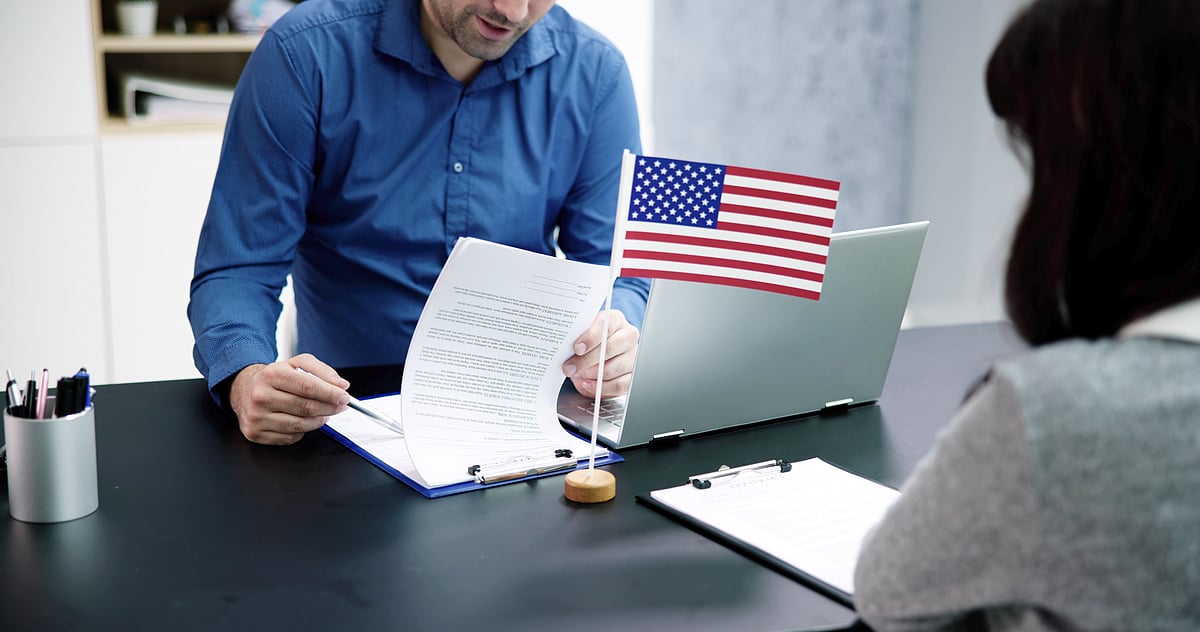
Dubai: US visa applicants in several categories will face expanded scrutiny of their online presence from October 1, with the US Department of State instructing newly covered applicants to keep their social media profiles public or open as part of the visa screening process.
The expanded review will cover applicants for I visas for foreign media representatives, and TN and TD visas for USMCA professionals and their dependants.
The State Department said applicants in these categories must set the privacy settings on all their social media profiles to “public” or “open” to facilitate the vetting process.
The move is relevant to Gulf-based professionals, media workers and families travelling to the US, and comes as Washington expands the use of online screening while also introducing broader changes to visa and immigration processing.
The latest announcement, dated September 18, expands online presence reviews that already apply to a range of visa categories, including students, temporary workers, exchange visitors and religious workers.
The department said it relies on “every available source of information” during visa screening to identify applicants who may be inadmissible to the US, including those who pose a threat to national security or public safety.
“Every visa adjudication is fundamentally a national security decision,” the department said. It added that applicants must be able to demonstrate their eligibility for the visa requested, including a genuine intention to comply with the terms of admission.
“Receiving a US visa remains a privilege granted at the government's discretion, not an entitlement,” the department said.
Who is affected?
From October 1, the expanded online presence review will cover:
I visas – foreign media representatives
TN visas – eligible Canadian and Mexican professionals working temporarily in the US under the USMCA
TD visas – spouses and children of TN professionals
Applicants in these categories have been instructed to make their social media profiles public or open.
The requirement adds to online presence screening already used for several other visa categories, including F-1 and M-1 students; H-1B, H-3 and certain H-4 temporary workers and dependants; J-1 and J-2 exchange visitors; K-1, K-2 and K-3 fiancé and dependant visas; Q cultural exchange participants; R religious workers; and S, T and U visa applicants, as well as certain diplomatic and official visa categories.
A wider tightening of US visa processing
The social media requirement comes against a backdrop of significant changes to US immigration and visa processing.
In January, the State Department temporarily suspended the processing of immigrant visas for applicants from 75 countries, citing concerns that applicants were at high risk of becoming a “public charge” — a person dependent on certain public benefits.
The policy affected applicants from countries including Brazil, Colombia and Uruguay in Latin America; Bosnia and Albania in the Balkans; and Pakistan and Bangladesh in South Asia.
A US federal judge subsequently struck down the policy in August, ruling that the suspension was unlawful. But the subsequent resumption of processing has not been straightforward.
After the court ruling, the State Department temporarily paused immigrant visa interviews at its missions worldwide while staff underwent new training on assessing whether applicants could support themselves in the US without relying on public benefits.
A State Department spokesperson told Reuters that appointments were being adjusted to accommodate the training.
“Whenever there are updated instructions for visa applicants or changes to visa interview appointments, embassies and consulates communicate this information directly to visa applicants,” the spokesperson said.
The global pause is significant because US embassies and consulates conduct hundreds of thousands of immigrant visa interviews each year, many involving relatives of US citizens or permanent residents. The US issued around 600,000 immigrant visas in 2024, according to a Reuters report.
Network Links
GN StoreDownload our app
© Al Nisr Publishing LLC 2026. All rights reserved.