During the first half of 2026, 58,337 licences were issued across Dubai’s mainland and free zones
EXCLUSIVE
How Dubai is making business setup faster, easier
New investor register, unified licence and AI tools aim to simplify company setup
Last updated:
4 MIN READ
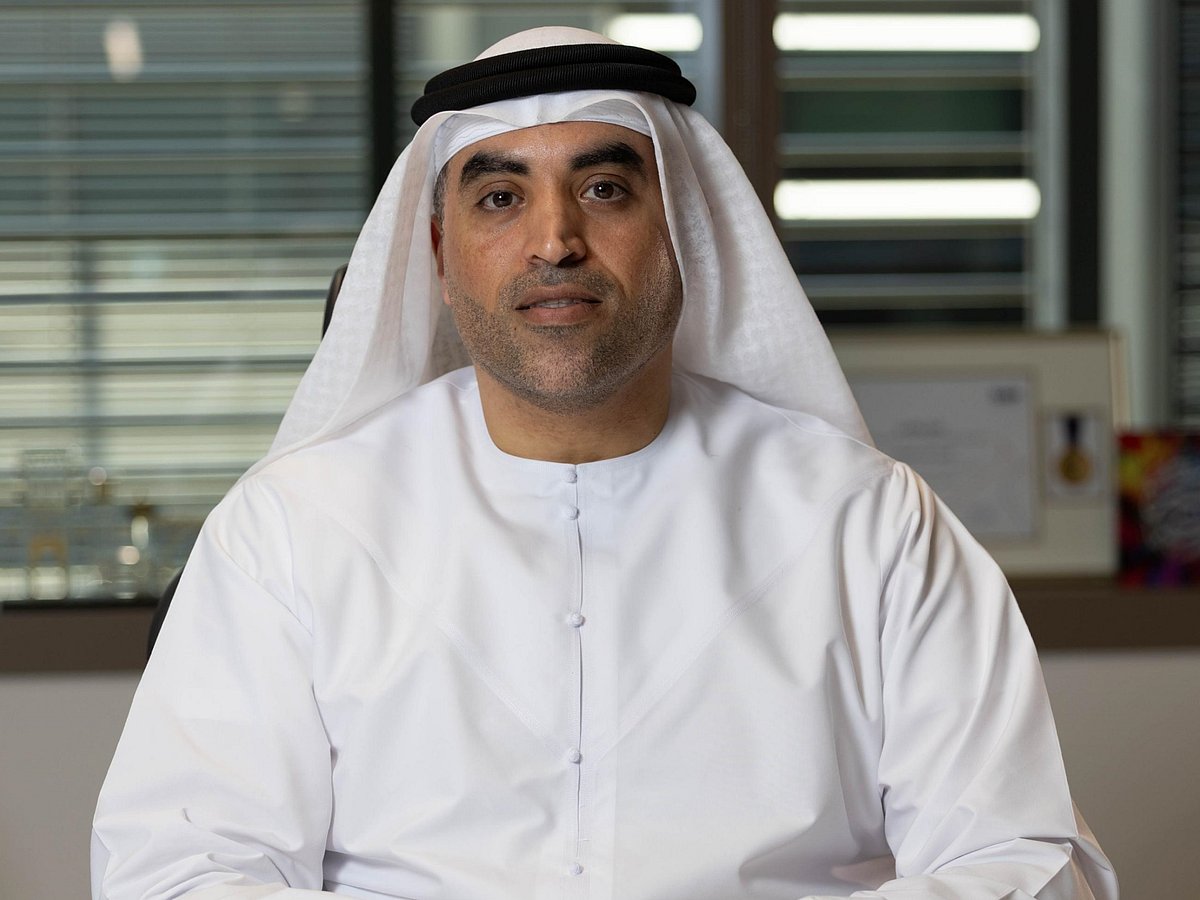
Ahmad Khalifa Al Qaizi Al Falasi says that Dubai is now focused on transforming the investor journey.
Dubai: Dubai is expanding its digital business ecosystem with a new investor register, wider use of its Unified Licence and AI-powered services aimed at making it easier and faster for companies and investors to establish and grow their businesses in the emirate.
The initiatives are being led by the Dubai Business Registration and Licensing Corporation (DBLC), part of the Dubai Department of Economy and Tourism (DET), which has expanded its role beyond issuing business licences to regulating and developing the emirate’s wider business registration and licensing ecosystem.
Digital environment
Ahmad Khalifa Al Qaizi Al Falasi, CEO of DBLC, told Gulf News in an exclusive interview that the authority is now focused on transforming the investor journey, shaping legislation and policy, and connecting government entities and the private sector through an integrated digital environment.
“Our mandate now covers leading the digital transformation of the investor journey, shaping legislation and policy, and building an interconnected ecosystem that brings government entities and the private sector together through a single, seamless experience,” he added.
Licence growth
The expansion comes as Dubai records strong growth in business activity. The number of business licences issued between 2023 and 2025 was 84 per cent higher than the number issued between 2020 and 2022, according to DBLC.
During the first half of 2026, 58,337 licences were issued across Dubai’s mainland and free zones, while 173,652 licences were renewed.
Total licence issuance and renewal transactions exceeded 230,000 during the period, highlighting not only the continued arrival of new businesses but also the confidence of existing companies in expanding their operations in Dubai.
Al Falasi said the growth is particularly evident in future-focused sectors, including fintech and artificial intelligence, supported by Dubai’s regulatory environment and digital infrastructure.
One platform
At the centre of the emirate’s digital transformation is the ‘Invest in Dubai’ platform, which DBLC describes as a unified digital channel for establishing businesses and conducting economic activities.
The platform allows investors to complete different stages of setting up and operating a business through a single digital environment, including obtaining a business licence, securing approvals and accessing government and private-sector services.
Al Falasi said the objective is to move away from a system in which investors have to navigate multiple disconnected services.
“Dubai’s business registration and licensing ecosystem has moved from a collection of isolated services to a single, integrated digital environment built around the investor, not the process,” he said.
DBLC plans to further develop Invest in Dubai and expand its services to free-zone businesses, allowing investors to complete a wider range of transactions through the platform.
Unified identity
Another major initiative is the Dubai Unified Licence (DUL), which provides companies with a single commercial identity regardless of whether they are licensed on the mainland or in a free zone.
Before DUL, companies relied on identification numbers linked to individual licensing authorities, making it more difficult to establish a single corporate identity and share information across entities.
The Unified Licence consolidates company data, reduces duplication and provides government entities and private-sector organisations with a single source of corporate information.
Bank accounts
One of its most significant impacts has been on corporate banking.
According to Al Falasi, digitally linking the unified corporate data with banks has reduced the time required to open a corporate bank account from about 90 days to around three days.
The system also reduces the need for companies to repeatedly submit the same information and documents to different entities.
New Dubai Investor Register
DBLC is also developing the Dubai Investor Register, which aims to create a unified digital record for individual and corporate investors.
Under the system, investors would provide their information once instead of repeatedly registering with different authorities when expanding their operations, opening branches, acquiring stakes, moving companies between licensing zones or investing in areas such as financial markets and real estate.
Changes to investor data would be updated once and then reflected across relevant entities.
Al Falasi said the approach would reduce administrative requirements while improving data integration and protecting investor information by limiting repeated sharing of data.
AI to guide investors
Artificial intelligence is expected to play a growing role in the next phase of Dubai’s business services.
DBLC plans to use AI to provide more personalised services through Invest in Dubai, with the platform evolving beyond a transaction-processing tool into a system that can guide investors through different stages of establishing and developing their businesses.
The technology could help recommend relevant services and provide investors with information based on where they are in their business journey.
The initiatives form part of Dubai’s wider efforts to improve the ease of doing business and support the objectives of the Dubai Economic Agenda D33, which seeks to double the size of Dubai’s economy and strengthen its position among the world’s leading economic cities.
Al Falasi said the focus going forward would be on creating a more connected, proactive business environment in which government and private-sector services work together around the needs of investors.
Network Links
GN StoreAbout Gulf NewsTerms & ConditionsReach by GNSitemapContact usPrivacy PolicyGN FocusHave your sayWork with usAdvertise with usGulf News epaperPrinting Services
Download our app
© Al Nisr Publishing LLC 2026. All rights reserved.