Pakistan rebuilds investor trust after IMF-backed reforms
Islamabad points to IMF discipline, ratings upgrades and PIA sale to rebuild trust
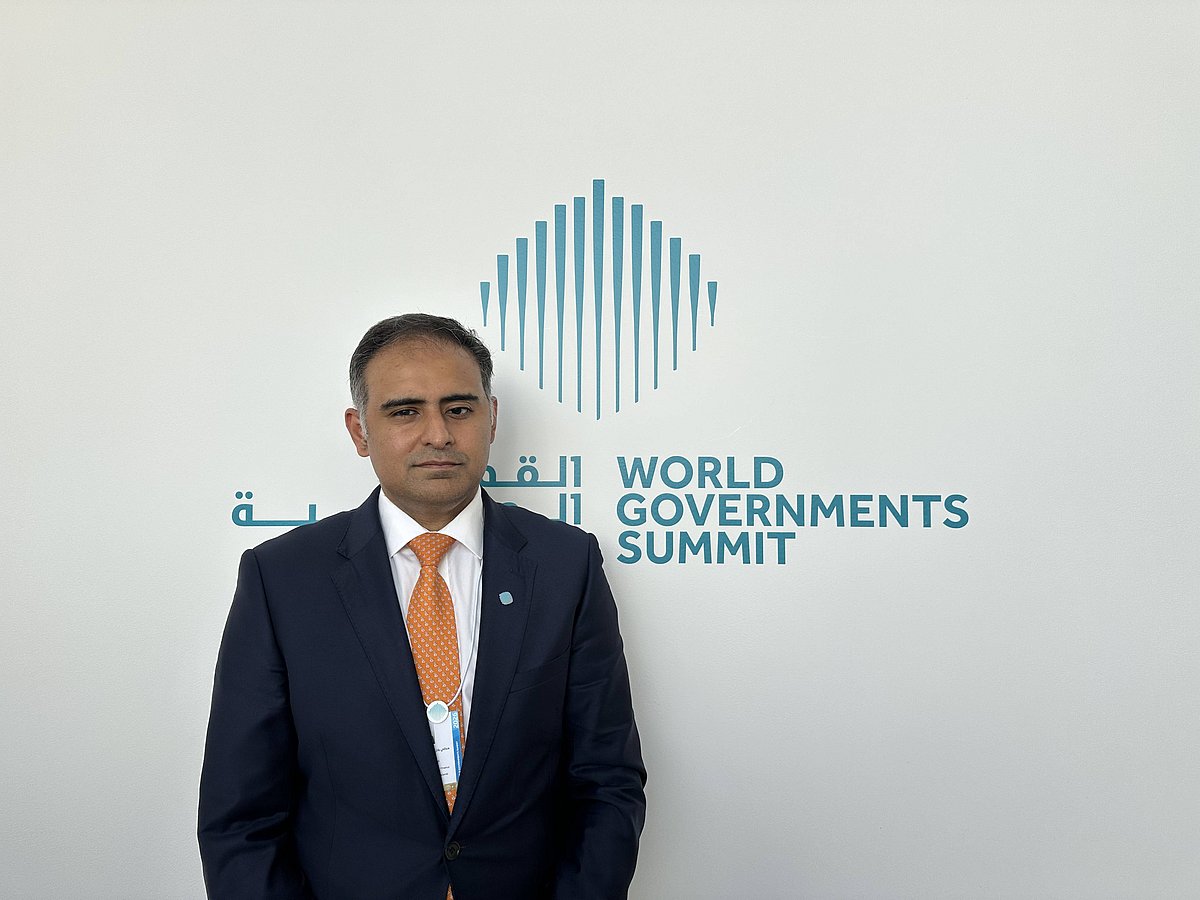
Dubai: Pakistan is positioning itself as investable again after two years of IMF-backed stabilisation, leaning on fiscal discipline, ratings upgrades and the privatisation of its national airline to re-engage global banks and capital markets.
In an interview with Gulf News, Bilal Azhar Kayani, Pakistan's Minister of State for Finance and Railways, said that interest from international lenders reflected policy continuity and delivery.
“Stabilisation is very central to it, and we are in the middle of a programme with the IMF,” Kayani said. “But the continuity of policy and fulfilling our promises has created the confidence that has resulted in increased interest in Pakistan.”
IMF discipline as credibility anchor
Pakistan entered its current $7 billion programme with the International Monetary Fund amid acute pressure on foreign exchange reserves and public finances. Kayani said reserves now stand at about $21 billion, nearly double their level two years ago, giving the government room to shift focus toward exports and private sector-led growth.
“Being in the programme helps with our financial relationship with multilateral partners and builds a base of trust for the international investor community,” he said, adding that repeated IMF reviews had been cleared.
Fiscal consolidation has been central to that effort. Pakistan raised its tax-to-GDP ratio by 1.5% in the last fiscal year and met primary and fiscal balance targets agreed with the Fund, developments that have led to sovereign rating upgrades from S&P, Moody’s and Fitch.
PIA privatisation sends reform signal
A key test of reform credibility came with the privatisation of Pakistan International Airlines, long viewed as politically sensitive and financially draining.
“PIA has been a burden on the national exchequer,” Kayani said. “Several governments tried but did not succeed. Our government managed to privatise PIA in a very transparent and professional manner.”
He said the buyer committed fresh capital to expand the fleet and improve service quality, shifting the airline from a fiscal liability toward a potential contributor to public finances.
Pakistan expects private management to take charge of Pakistan International Airlines (PIA) by April 2026 after a consortium led by Arif Habib Corporation won a 75% stake in a competitive auction, advancing efforts to reduce losses at state-owned firms.
The group bid Rs135 billion ($482 million), exceeding the government’s Rs100 billion reserve price and valuing the airline at about Rs180 billion including the state’s remaining 25% holding.
Inflation eases, borrowing costs fall
Pakistan’s inflation has fallen sharply from the mid-20% range to mid-single digits over the past two years, supported by tighter fiscal management and an independent central bank. The policy rate has dropped from 22% to 10.5%, easing financing costs for businesses.
“Lower policy rates reduce the cost of doing business, especially for firms we want to see exporting,” Kayani said.
Latest data from the Pakistan Bureau of Statistics showed headline inflation at 5.8% year on year in January, still within the government’s projected range, even after a slight month-on-month increase.
The reform narrative comes as Finance Minister Muhammad Aurangzeb met officials from Citibank to discuss sovereign financing options and potential cooperation on debt management and capital markets. The finance ministry said preparatory work on medium-term note structures is underway, while immediate focus remains on priority transactions.
UAE ties move beyond funding
Kayani, who was in Dubai to attend the World Government Summit, described the UAE as a long-standing economic partner, with cooperation expanding into institutional learning and policy exchange.
“We have been able to share our experience on the tax authority side and also learn from the UAE on how cabinet ministries work and how government planning is carried out,” he said, pointing to a knowledge-exchange agreement signed last year.
Looking ahead, Kayani said the priority is converting stability into export-led growth that raises incomes and broadens participation across the economy.
“We have built a solid base,” he said. “Now the task is to turn that into sustainable economic growth.”
Sign up for the Daily Briefing
Get the latest news and updates straight to your inbox
Network Links
GN StoreDownload our app
© Al Nisr Publishing LLC 2026. All rights reserved.