Banking industry getting ready for more self regulation
UAE banks have turned around faster compared to global counterparts after crisis
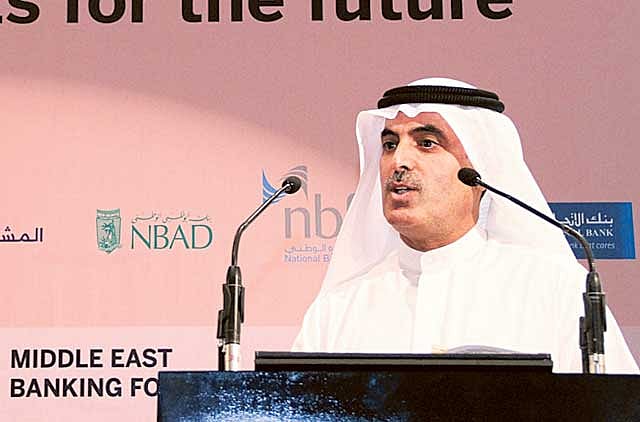
Dubai: In the face of the increased focus on asset quality and need to improve transparency in the banking sector, the UAE banks are preparing themselves for more self-regulation and will work closely with the Central Bank of UAE, Abdul Aziz Al Ghurair, Chairman of the UAE Banks Federation (UBF) said on Wednesday.
“The UAE Central Bank recently issued the mortgage regulations. In a few months from now, we will have the credit bureau in operation. These new regulatory efforts are aimed at making the banking sector more transparent and customer friendly. The UAE Banks Federation will work towards more self-regulation and work closely with the regulator,” Al Ghurair said during a speech at the first Middle East Banking Forum organised by the UBF.
Earlier this month UBF, the representative body of 51 banks operating in the country adopted a code of conduct for all its members. The code aims to raise the professional standards of banking practice and to promote greater trust in the UAE banking industry.
Addressing the forum, the guest keynote speaker, John Bruton, former Irish Prime Minister and Chairman of the International Financial Services Centre in Ireland, said Middle Eastern financial institutions are adapting to changes quickly that are shaping the banking industry in the post crisis era. “There is a very healthy banking sector here, with a strong deposit base and a budget surplus, which is the envy of other regions of the world. Despite some over-centralisation in lending, banks are supporting the diversification and future growth of the UAE’s economy,” said Burton.
Reviewing the performance of the banking sector, delegates at the conference said the UAE banks have made a faster turnaround in terms of capitalisation and asset quality in the post crisis years. “The banks here received strong sovereign support, which helped them to remain highly liquid during the crisis years. While capital levels remained exceptionally high during the period, improving economic activity has helped the asset quality,” said Timucin Engin, Associate Director, Ratings Analytical Financial Institutions.
According to the The Banker’s “Top 1000 World Banks 2013” report, the UAE banking sector’s net assets have risen more than ten-fold from $49 billion (Dh180 billion) in 1995 to $509 billion in mid-2013. The UAE banking sector directly employs more than 34,400 staff as of mid-2013, more than doubling since 2000.
Bankers said on Wednesday that the retail banking business in the country is going through a period of rapid expansion with assets growing in the range of 8 to 10 per cent, with some of the leading banks such as Mashreq and Emirates NBD reporting double digit growth. With the growing business, the banks are facing challenges in terms of reaching out to customers through various delivery channels and keeping a close eye on the asset quality.
“The introduction of credit bureau will be a key milestone for the UAE’s banking sector. For the banks, the bureau will provide more clarity on customer exposures and history, and allow more informed decision making and risk-based pricing. For the consumers, it means better pricing on loans based on credit scores. Overall, the market dynamics will become more mature, and industry level asset growth will be more sustainable,” said Suvo Sarkar, General Manager,Retail Banking of Emirates NBD.
Sign up for the Daily Briefing
Get the latest news and updates straight to your inbox
Network Links
GN StoreDownload our app
© Al Nisr Publishing LLC 2026. All rights reserved.