Middle East set to dominate global airline profits with $6.8 billion in 2026
Region to earn $6.8b in 2026, with profit per passenger more than triple global average
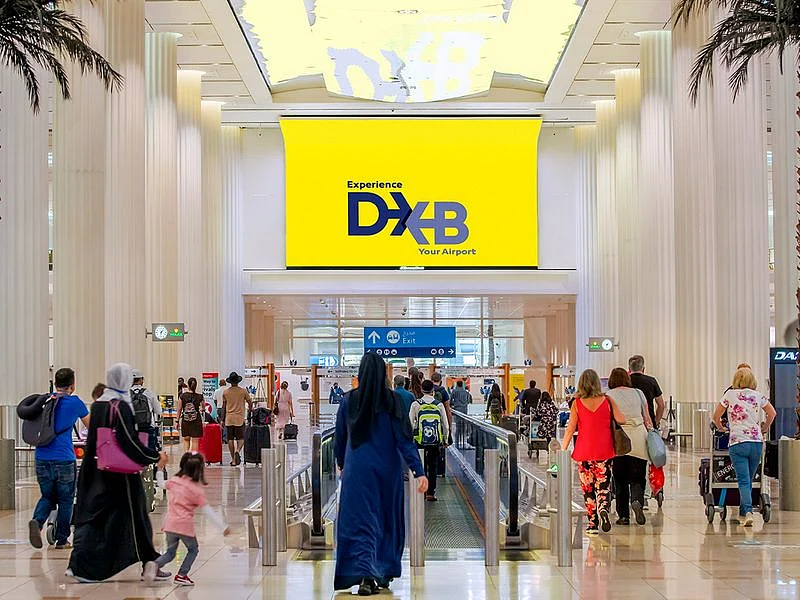
Dubai: The Middle East is forecast to generate $6.8 billion in net profit in 2026, giving carriers a net margin of around 9.3%, far ahead of the 3–4% margins expected in other regions, IATA said in its Global Outlook. On a per‑passenger basis, airlines in the region are projected to earn about $28.60, more than three times the global average of roughly $7.90 and only fractionally below this year’s record level.
IATA said this outperformance “attests to the difference a positive regulatory operating environment can make, and to the region’s strategic position as a global connecting hub.” With global airline net profit expected to stabilise around $41 billion in 2026, Middle Eastern carriers will punch well above their weight in contribution to industry earnings.
Demand anchored in long‑haul hubs
Passenger demand across the Middle East remains “robust”, driven primarily by long‑haul traffic flows connecting Asia, Europe and Africa through the region’s major hubs. Network carriers based in the Gulf have continued to expand connecting traffic, taking advantage of high load factors and strong premium‑cabin demand, even as global fares soften from their post‑pandemic peak.
Traffic growth is set to outpace capacity again in 2026, with Middle East passenger volumes forecast to rise by about 6.1% against capacity growth of 5.4%, supporting yields and keeping aircraft well filled. This disciplined capacity profile stands in contrast to some other regions where over‑ordering and delayed deliveries have created mismatches between demand and available seats.
Multi‑billion airport build‑out
Governments and airlines are reinforcing this demand story with a multi‑billion‑dollar airport development pipeline running through the next decade. Flagship projects include King Salman International Airport in Riyadh, planned as a six‑runway mega‑hub with capacity for 120 million passengers by 2030 and 185 million by mid‑century, and the transformation of Dubai World Central into a primary gateway with a $35 billion terminal build that will ultimately handle up to 260 million passengers a year.
These projects account for the bulk of more than $150 billion in airport expansion planned across the wider Middle East by 2040, positioning the region to capture an expected tripling of passenger volumes to around 1.1 billion annually. For carriers, the combination of new capacity, modern infrastructure and efficient hub design is central to sustaining high margins over the long term.
Managing conflict and constrained capacity
Geopolitical tensions, including conflicts and airspace closures, have repeatedly disrupted routes and raised operating costs through 2025. Even so, IATA expects the region to “stay on its growth trajectory” as airlines reroute traffic, adjust schedules and hedge exposure, supported by gradual diplomatic progress and efforts to secure more stable regional security arrangements.
At the same time, Middle Eastern carriers are facing the same supply‑chain and certification delays that are holding back aircraft deliveries worldwide. To preserve network plans, airlines are extending fleet lives, accelerating retrofit programmes and sweating existing assets harder, but IATA cautions that “capacity growth will remain constrained in the near term,” a constraint that in practice is helping to support fares and profitability.
Also Read
Battery safety myths pose growing risk to air travel: IATA pollMiddle East fliers' preference for premium travel unmatched, says IATAUAE- India travel: Ultra-low-cost airline startup Air Kerala assigned IATA codeGlobal context
Globally, airlines are forecast to generate about $41 billion in net profit on revenues slightly above $1.05 trillion in 2026, implying a net margin of around 3.9%. That level would mark a new nominal profit record for the industry, yet remains modest relative to the economic value generated by air connectivity and the sector’s exposure to fuel prices, regulation and geopolitical shocks.
Within that picture, the Middle East stands out as the profitability leader, while Asia Pacific delivers the fastest growth, North America faces stagnating domestic demand, and Latin America shows tentative structural improvement. For now, the Gulf’s hub carriers and their neighbours look set to keep using their regulatory support, geography and infrastructure pipeline to turn that advantage into another year of sector‑leading returns.

Sign up for the Daily Briefing
Get the latest news and updates straight to your inbox
Network Links
GN StoreDownload our app
© Al Nisr Publishing LLC 2026. All rights reserved.