US, Israel draw up plans for 72-hour Iran strike: 7 key questions on Trump’s strategy and Tehran’s response
Trump weighs fresh strikes as doubts remain over whether 72-hour assault can force a deal
Dubai: The United States and Israel have drawn up detailed plans for a short but intensive military assault on Iran after the November 3 US midterm elections, raising a critical question: Can three days of bombing achieve what nearly eight months of conflict have failed to accomplish?
The proposed 72-hour campaign could target Iran’s nuclear facilities, missile and drone capabilities and potentially its energy infrastructure, according to The New York Times, citing American officials and others briefed on the preparations.
US and Israeli forces have reportedly intensified military exercises, while Washington is assembling a substantial military force expected to be in place by early November.
But President Donald Trump has not authorised fresh strikes and has repeatedly postponed plans for renewed military action.
Here are seven big questions about the reported operation and its implications.
What is the reported 72-hour military plan?
Some US military planners believe a concentrated three-day bombing campaign could inflict enough damage on Iran’s military and economic infrastructure to force its leadership into making concessions.
Potential targets include nuclear installations, missile launchers, drone facilities and energy infrastructure.
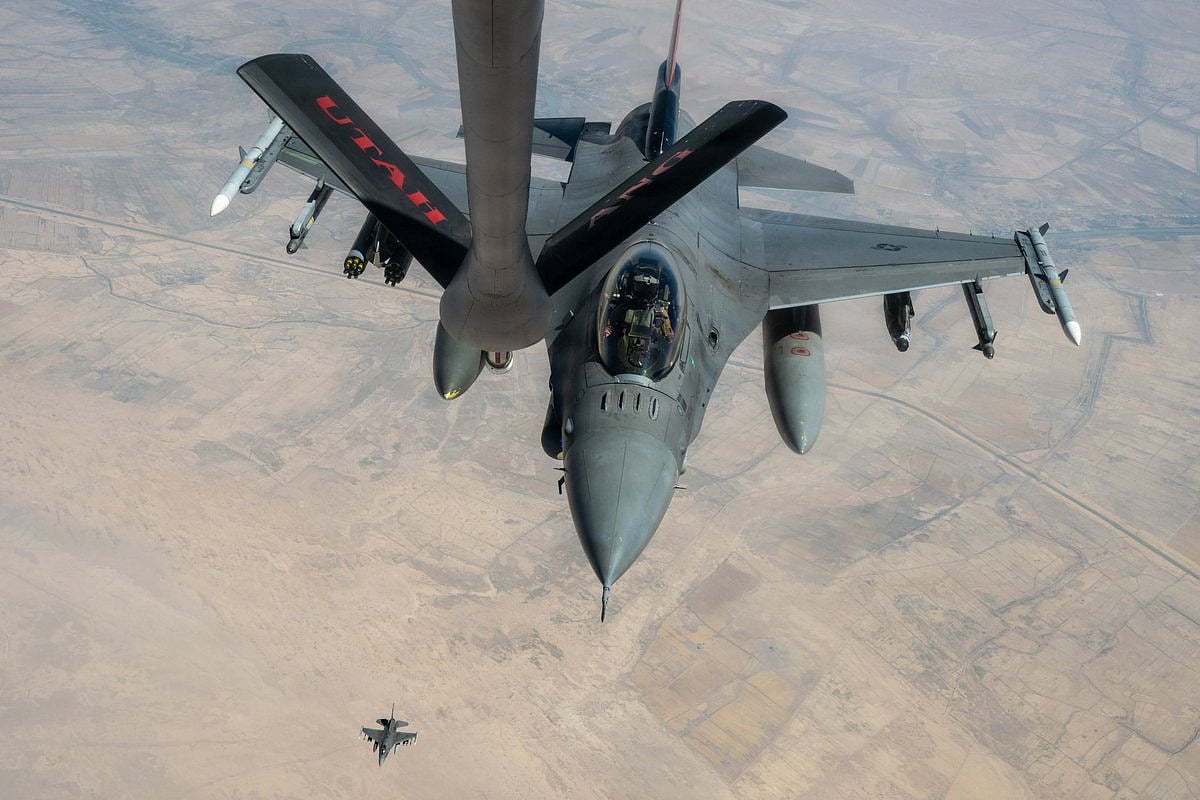
US and Israeli aircraft have reportedly conducted exercises over Iraq to rehearse possible strike manoeuvres.
Defence Secretary Pete Hegseth also met Israeli Prime Minister Benjamin Netanyahu this week to discuss military options, according to the NYT.
However, the 72-hour timeframe reflects a proposed operational strategy, not an assurance that hostilities would end within three days.
Can three days of strikes achieve what eight months of war have not?
That is the biggest question facing Washington.
Despite months of military operations, economic sanctions and a US naval blockade, Iran has not agreed to Washington’s central demands concerning its nuclear programme.
Some American officials believe another intensive campaign could push Iran’s struggling economy towards collapse and force Tehran to negotiate.
Others question that assumption.
“Neither Mr. Trump nor Mr. Netanyahu has made a compelling case for how more war would change this strategic dilemma in an increasingly unstable and conflict-ridden region,” said Dana Stroul, a former senior Pentagon official.
Stroul also noted that previous military pressure had failed to bring Iran back to meaningful negotiations.
Iranian officials have similarly dismissed the assumption that another round of fighting could be contained within 72 hours.
Why is November 3 so important?
November 3 marks the US midterm elections, and Trump has publicly promised not to launch fresh attacks before Americans vote.
But political calculations are only part of the picture.
According to the NYT, the US military expects to have three aircraft carriers, thousands of Marines, fighter jets and special operations personnel available by early November.
Longer hours of darkness over Iran could also provide operational advantages for American aircraft.
Trump has left open the possibility of military action after the elections, although no final decision has been announced.
Why has Trump repeatedly delayed fresh strikes?
Trump has rejected or postponed several proposals for renewed large-scale military operations this year.
Earlier this month, American and Israeli forces reportedly came close to launching an attack before Trump decided against proceeding.
The decision came after extensive preparations, with military aircraft placed on high alert, according to officials cited by the NYT.
The military preparations coincide with heightened security precautions at American diplomatic missions in the region. Washington on Wednesday ordered non-emergency embassy personnel and their families to leave Saudi Arabia following deadly Houthi attacks.
Reuters reported that US officials also expected withdrawals involving families at other Gulf missions, although the State Department stressed that the confirmed departure order applied only to Saudi Arabia.
The repeated reversals have created what one American commander described as “day-to-day whiplash” among military planners.
Trump also faces concerns over rising energy prices, regional instability and the heavy consumption of American missile interceptors during previous fighting.
A White House official said the administration does not comment on military plans “that may or may not exist”.
The official added that Trump was keeping all options available to prevent Iran from acquiring nuclear weapons.
How could Israel’s October 27 election affect the plans?
Israel’s parliamentary election introduces another major uncertainty.
Netanyahu has supported stronger military action against Iran, but the election outcome could complicate his ability to launch a new offensive.
If he loses, he would become a caretaker prime minister, making a major military operation politically more difficult.
“He could use this to call for a broad emergency government, but he will face deep suspicion from his political rivals,” said Israeli political commentator Mazal Mualem.
“If Iran attacks, that’s one thing, but initiating an offensive strike would be extremely difficult for him.”
The Financial Times reported that Israel had prepared a major offensive for October 10 before Trump intervened.
However, The Jerusalem Post subsequently cited Israeli military sources disputing that account, saying no imminent attack had been ordered.
How could Iran respond to another round of strikes?
Iranian officials have warned that another American-Israeli attack would trigger a broader and potentially prolonged response.
Mahdi Mohammadi, a senior adviser to Iranian negotiator Mohammad Bagher Ghalibaf, dismissed the suggestion that another military campaign could be completed within 72 hours as a “fantasy”.
“Our attacks will be more fierce, creative and different,” he warned.
Iranian officials have discussed expanding potential targets beyond commercial shipping and energy infrastructure to include data centres and undersea internet cables.
Peiman Salehi, a Tehran-based political analyst, suggested Iran could target major Saudi oil facilities if its deeply buried nuclear installations were attacked.
“The war has made us understand that the best leverage for pressuring Trump is increasing oil and energy prices because it will hurt the American people,” Salehi said.
Reuters reported that US officials also expected withdrawals involving families at other Gulf missions, although the State Department stressed that the confirmed departure order applied only to Saudi Arabia.
Could diplomacy still prevent another military campaign?
Diplomatic efforts are continuing despite the military preparations.
Washington is pressing Iran for concessions on its nuclear programme and the Strait of Hormuz, while Tehran wants priority given to ending the conflict, easing economic pressure and addressing shipping restrictions.
Trump has repeatedly emphasised that negotiations remain an option.
“We are having productive talks with the Islamic Republic of Iran,” he said on October 8.
However, significant disagreements remain over the nuclear issue and the sequence of concessions.
For now, the reported 72-hour campaign remains a military option rather than an approved operation.
Whether it becomes reality will depend on Trump’s decision — and whether diplomacy can produce a breakthrough before Washington chooses its next move.

Sign up for the Daily Briefing
Get the latest news and updates straight to your inbox
Network Links
GN StoreDownload our app
© Al Nisr Publishing LLC 2026. All rights reserved.