Keeping the lights on and water flowing: How UAE’s critical infrastructure is built for resilience
Preparation, people and partnerships underpin reliable power and water supplies
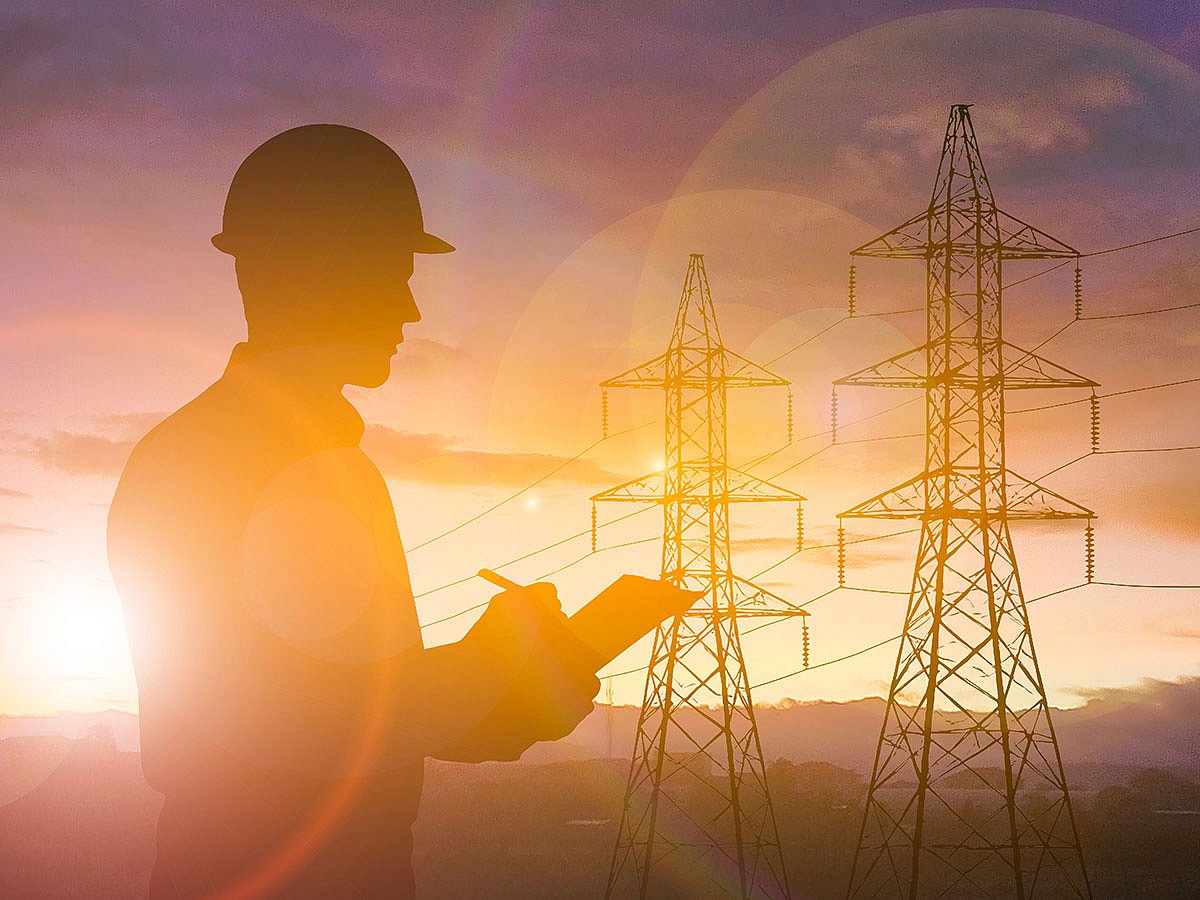
Recent weeks have brought the systems communities rely on every day into sharper focus. In the UAE, power generation, transmission, desalination and critical infrastructure form the backbone of daily life and economic stability – these must continue to operate safely and reliably. That responsibility extends far beyond household electricity supply. It includes the power that keeps hospitals, airports, ports, telecoms networks, data centres and industrial zones running, and the water produced through desalination that underpins homes, businesses and national growth. For operators of critical infrastructure, continuity is equally a responsibility to the communities, economies, and people who depend on these services every day as it is an operational objective.
The UAE’s energy system has become increasingly diversified. Efficient gas-fired generation now works alongside utility-scale solar projects and supports the country’s decarbonisation ambitions while strengthening resilience across the system. A broader energy mix helps keep essential services running smoothly and supports long-term sustainability goals.
Focus on preparation
Continuity begins with preparation. Critical infrastructure is operated through disciplined processes, structured management teams, tested business continuity frameworks, and clear escalation protocols designed to maintain safe and reliable operations under all conditions. For energy operators, preparation is highly practical. It means maintaining reserve margins, testing emergency restart procedures, and ensuring plants can continue to operate safely in all conditions. It also means protecting industrial control systems with the same rigour applied to physical assets.
Equally important are the people behind these systems. Across the UAE and the wider region, frontline teams operate and maintain power and water infrastructure around the clock. Supporting these teams through clear communication, leadership visibility, and a strong culture of safety ensures they are equipped to respond calmly and effectively when it matters most.
Strong partnerships also underpin continuity. Long standing relationships built on trust and transparency serve as a major strength, enabling faster alignment and informed decision making while creating an environment where public sector and private sector partners operate within one cohesive ecosystem.
Integration strengthens continuity
Integration across operations further strengthens continuity. In the UAE, power and water systems are deeply interconnected and require coordinated planning across teams and stakeholders. This is especially important because water security depends on energy security.
Across the UAE, much of this infrastructure has been developed through long-term independent power and water project structures. Their value lies in aligning investment, maintenance, and operational accountability over 20 to 30 years, rather than treating continuity as a short-term exercise. The most credible infrastructure partners, including long-term operators, are those that stay present on the ground, localise expertise, build reliable supply chains, and reinvest in asset performance over the full life of the asset. In critical infrastructure, long-term commitment is demonstrated through consistent operational delivery.
The UAE Energy Strategy 2050, the Net Zero by 2050 pathway, and the National Water Security Strategy 2036 can also be viewed through this lens. Diversified generation, stronger grids, modern desalination and trusted long-term partnerships help reduce pressure on any single point in the system while supporting sustainable growth.
Recent weeks have brought infrastructure resilience into sharper public focus and reinforced the importance of preparation, partnership, and people. Across the UAE and the wider Gulf, operators of critical infrastructure continue to demonstrate that essential services remain steady because resilience has been built into the system from the start. That builds confidence. Reliable infrastructure supports communities, sustains economic activity, and shows that the systems behind modern life are strong, flexible, and ready.
Niko Cornelis is CEO GCC, Vice President Operations Generation International
Sign up for the Daily Briefing
Get the latest news and updates straight to your inbox
Network Links
GN StoreDownload our app
© Al Nisr Publishing LLC 2026. All rights reserved.