UAE steps up fight against misinformation as digital content gets harder to verify
AI-powered verification platform to track misleading narratives across UAE media
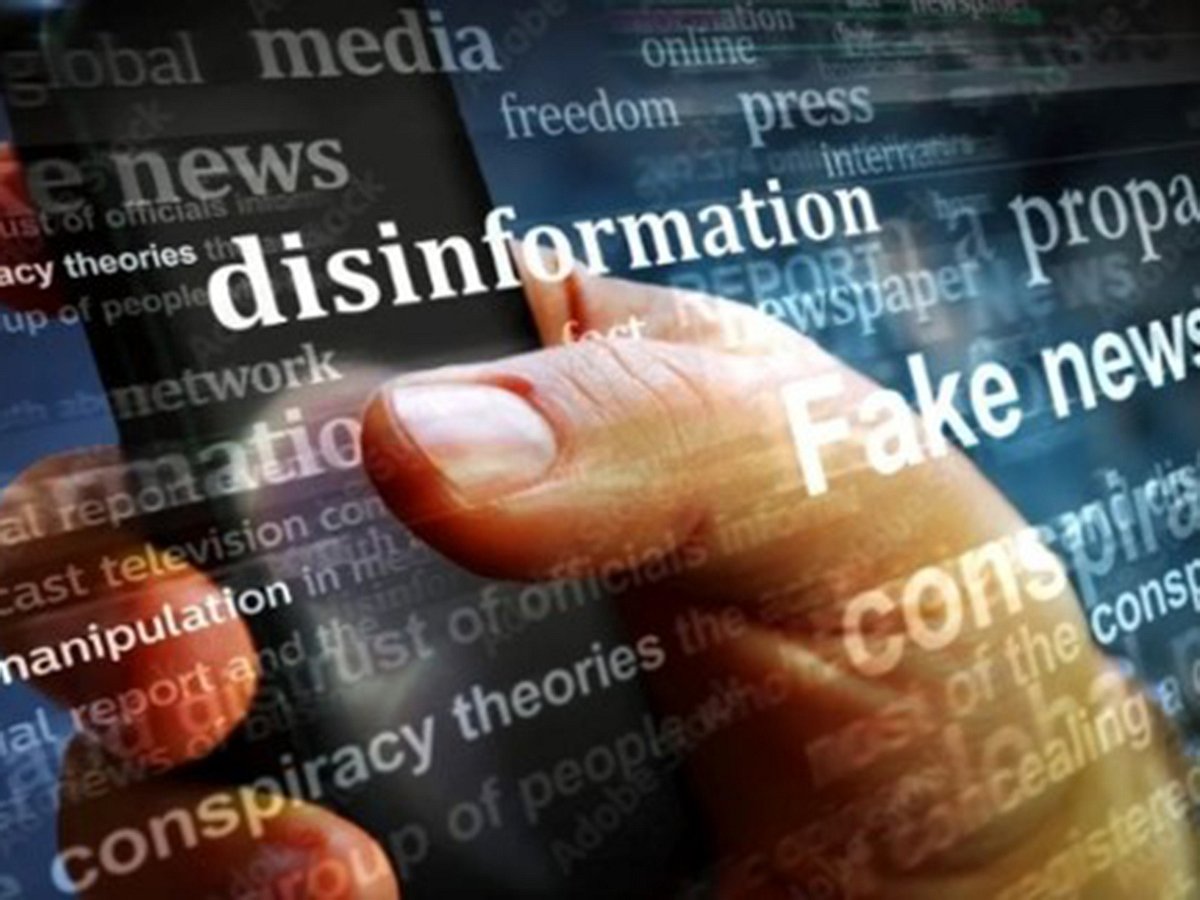
The UAE is increasing its focus on misinformation as digital content gets harder for people to verify. The latest development came in August 2026 , when the International Centre for Combating Media Disinformation announced a new monitoring system.
The platform will track keywords, media narratives, distribution patterns, and emerging trends across digital channels. It will also support content verification through artificial intelligence and professional media expertise
The timing is important for anyone following news online. International Telecommunication Union data shows internet use in the UAE reached 100 percent during 2024.
With digital information reaching almost everyone, false material can travel quickly across messaging apps and social platforms.
UAE expands its digital verification efforts
The latest ICCMD project follows other technology investments across the UAE media sector.
In May 2025 , the UAE Media Council signed an agreement with Presight for a unified media analytics platform. The system was developed to inspect media content before publication and support regulatory reviews.
Public concern around misleading digital material is also supported by local data. A UAE Cyber Security Council survey found that 50 percent of respondents believed they encountered an AI-related scam during 2024.
Another 56 percent reported receiving at least one scam attempt every month. These numbers give residents another reason to verify surprising posts before sharing them.
Deepfakes make verification more complicated
Fake content now extends far beyond edited photographs online. Generated voices can imitate people while altered videos can show events that never happened.
Some manipulated content can spread before fact-checkers have enough time to respond. This makes basic verification useful for people reading breaking news through social feeds.
You can start with a few simple checks:
Search the headline through established news organisations.
Find the original source behind major public claims.
Use reverse image searches on suspicious photographs.
Check when a video was first uploaded online.
Compare official statements with screenshots shared on social media.
An AI detector may provide another signal when checking suspicious written material. However, its result cannot confirm whether the information itself is accurate.
Your best check still starts with the original source . Official government accounts are especially important when claims involve public safety or new regulations.
New rules push for clearer AI labels
Other regions are also taking action around generated content. European Union transparency requirements under the AI Act began applying on August 2, 2026.
The rules require labels for deepfakes in covered situations. Providers must also add machine-readable markings to certain generated or manipulated content.
Such rules may help platforms identify synthetic material more quickly. However, labels alone cannot solve every misinformation problem.
Old videos can still be posted with new captions. Genuine photographs can also be paired with false descriptions or misleading dates.
Readers still have an important role
Technology can help identify suspicious digital material faster than before. Human judgment still plays an important part in deciding what deserves trust.
Before sharing a dramatic claim, spend a few minutes checking where it started. Search for reporting from more than one established source.
As verification systems advance across the UAE, readers also have a role. A quick source check can stop misleading information from travelling much further.
Sign up for the Daily Briefing
Get the latest news and updates straight to your inbox
Network Links
GN StoreDownload our app
© Al Nisr Publishing LLC 2026. All rights reserved.