Emirates Islamic operating profit rises 7% to Dh3.3 billion
Dubai bank reports Dh2.7b net profit as financing grows 14.4% and deposits climb 13.4%
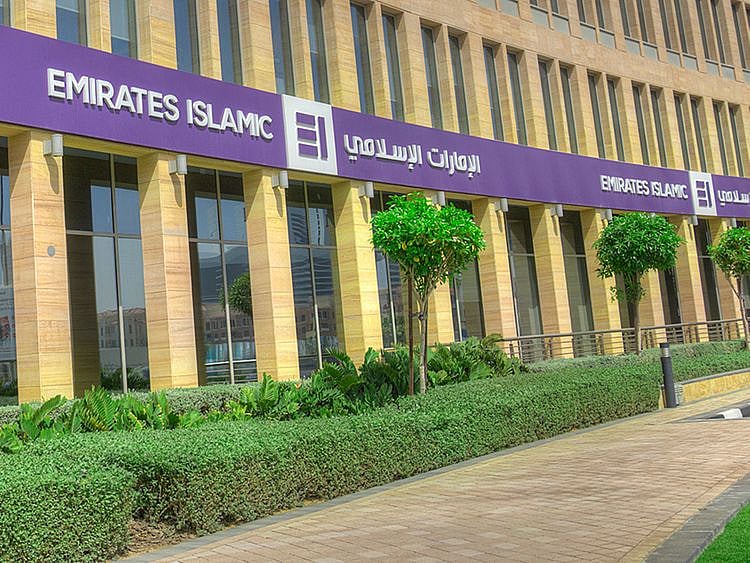
Dubai: Emirates Islamic reported a 7 per cent increase in operating profit to Dh3.3 billion for the first nine months of 2026, supported by higher fee-based income and growth in customer financing and deposits.
Total income rose 6 per cent year-on-year to Dh4.7 billion, driven by stronger non-funded income, while net profit remained broadly unchanged at Dh2.7 billion.
The Dubai-based Islamic lender said operating expenses increased 5 per cent to Dh1.4 billion, reflecting continued investment in business expansion and strategic initiatives. Impairment allowances stood at Dh141 million, while the net profit margin was 3 per cent.
Get updated faster and for FREE: Download the Gulf News app now - simply click here.
Financing, deposits growth
Emirates Islamic's total assets increased 8.6 per cent during the first nine months of the year to Dh158.3 billion, supported by growth across its retail, corporate and small business operations.
Customer financing rose 14.4 per cent to Dh101.6 billion, while deposits climbed 13.4 per cent to Dh115.8 billion.
Current and savings accounts accounted for 63.2 per cent of total deposits, providing the bank with a substantial base of customer funding.
The financing-to-deposit ratio stood at 87.7 per cent, within the bank's management target range.
“Our diversified business model continued to deliver strong results, with total income increasing 6% to AED 4.7 billion, supported by robust growth in non-funded income streams,” said Farid AlMulla, Chief Executive Officer of Emirates Islamic.
He said double-digit growth in financing and deposits reflected market share gains across retail, corporate and SME banking.
Asset quality, capital strenght
The bank reported a non-performing financing ratio of 2.4 per cent, with a coverage ratio of 151.5 per cent.
Its Common Equity Tier 1 capital ratio stood at 15.1 per cent, while the overall capital adequacy ratio reached 16.2 per cent, providing capacity to support further financing growth.
Hesham Abdulla Al Qassim, Chairman of Emirates Islamic, said the bank remained focused on sustainable balance sheet expansion, prudent risk management and effective capital allocation.
“Our focus remains on sustainable balance sheet growth, prudent risk management and effective allocation of capital,” Al Qassim said.
He added that these priorities would help the bank support customers and contribute to the development of Islamic finance under the UAE Islamic Finance and Halal Industry Strategy 2025–2031.
SME banking, trade finance
Emirates Islamic also highlighted continued growth in its business banking operations, which serve more than 45,000 small and medium-sized enterprises across the UAE.
The bank recently signed a memorandum of understanding with Dubai Chambers to expand access to Shariah-compliant banking services for Dubai Chamber of Commerce members.
The agreement covers trade finance, cash management and corporate financing solutions, alongside seminars, workshops and business forums aimed at helping companies understand their financing options.
Mohammad Kamran Wajid, Deputy Chief Executive Officer of Emirates Islamic, said business banking remained an important part of the lender's growth strategy.
The bank also highlighted its Dh1 million Business Banking Campaign, which rewarded 55 customers for maintaining and increasing their account balances.
In Islamic capital markets, Emirates Islamic received the World's Best Sukuk Deal award at the Euromoney Islamic Finance Awards 2026 for its $500 million sustainability-linked financing sukuk, which the bank described as the first issuance of its kind globally.
The lender also received the Middle East's Best Islamic Bank and UAE's Best Islamic Bank awards at the same event.
Emirates Islamic said it would continue investing in digital banking, customer services and business financing while maintaining its focus on capital strength and asset quality.

Sign up for the Daily Briefing
Get the latest news and updates straight to your inbox
Network Links
GN StoreDownload our app
© Al Nisr Publishing LLC 2026. All rights reserved.