Middle East airlines will need 3,830 new jets by 2045, Airbus says
Passenger traffic is forecast to more than double as carriers expand and renew fleets
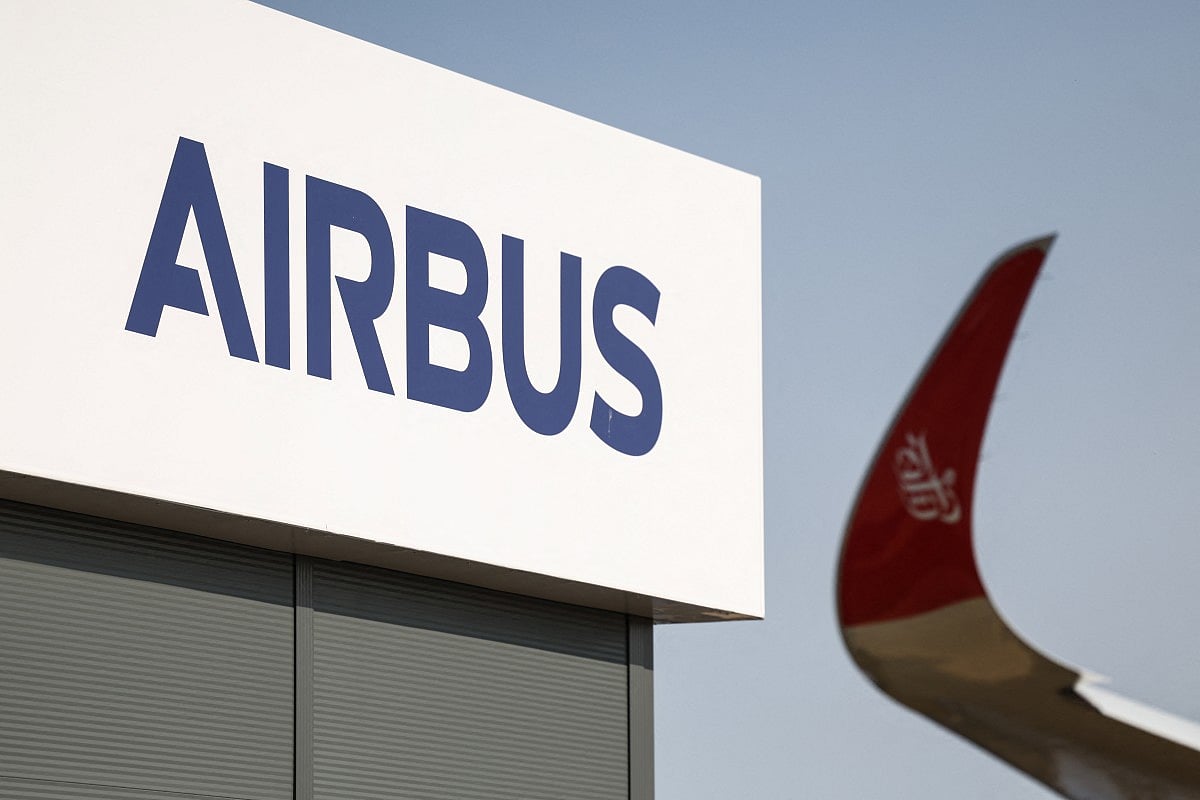
Dubai: Middle East airlines will need 3,830 new passenger aircraft over the next 20 years as travel demand grows and carriers replace older jets, Airbus said on Wednesday.
Get updated faster and for FREE: Download the Gulf News app now - simply click here.
The aircraft maker’s latest Global Market Forecast projects demand for 2,160 single-aisle aircraft and 1,670 widebody jets by 2045. It expects passenger traffic to, from and within the region to grow by an average of 4.7 per cent a year over the period, more than doubling from current levels.
The figures are Airbus forecasts, rather than confirmed aircraft orders. The company said existing Middle East backlogs for large single-aisle aircraft already account for 45 per cent of the region’s projected demand over the next 20 years.
“The Middle East is one of the world's most dynamic aviation markets with regional carriers demonstrating operational resilience despite geopolitical volatility,” said Gabriel Semelas, President of Airbus Africa and Middle East.
“Driven by demographic expansion, rising prosperity, and major infrastructure investment, airlines are expanding and modernising their fleets while guiding the transition toward more efficient and sustainable air transport.”
More trips per person
Airbus expects rising incomes, urbanisation and investment in airlines and airports to support growth. Its forecast projects that the region’s middle-class population will increase by 240 million to reach 620 million by 2045. It also projects urbanisation at 55 per cent of the population.
In the UAE, Airbus expects annual air trips per person to rise from 3.1 in 2025 to 6.5 in 2045. For Saudi Arabia, it forecasts an increase from 1.6 to 4.0 trips per person over the same period. These figures measure projected travel frequency, not the number of aircraft each country will buy.
Fleet renewal is another part of the outlook. Airbus forecasts that new-generation aircraft will make up 97 per cent of the Middle East fleet by 2035, compared with 45 per cent in 2025. It said newer aircraft would improve fuel efficiency and operating performance while reducing emissions.
The company also expects investment in sustainable aviation fuel production to grow across the region. Its forecast did not specify how much fuel the Middle East would produce or when those projects would come online.

Sign up for the Daily Briefing
Get the latest news and updates straight to your inbox
Network Links
GN StoreDownload our app
© Al Nisr Publishing LLC 2026. All rights reserved.