Netanyahu calls Trump daily for Iran strikes. But is diplomacy winning?
Israeli PM's reported daily calls reveal growing tug-of-war over Trump’s next move on Iran
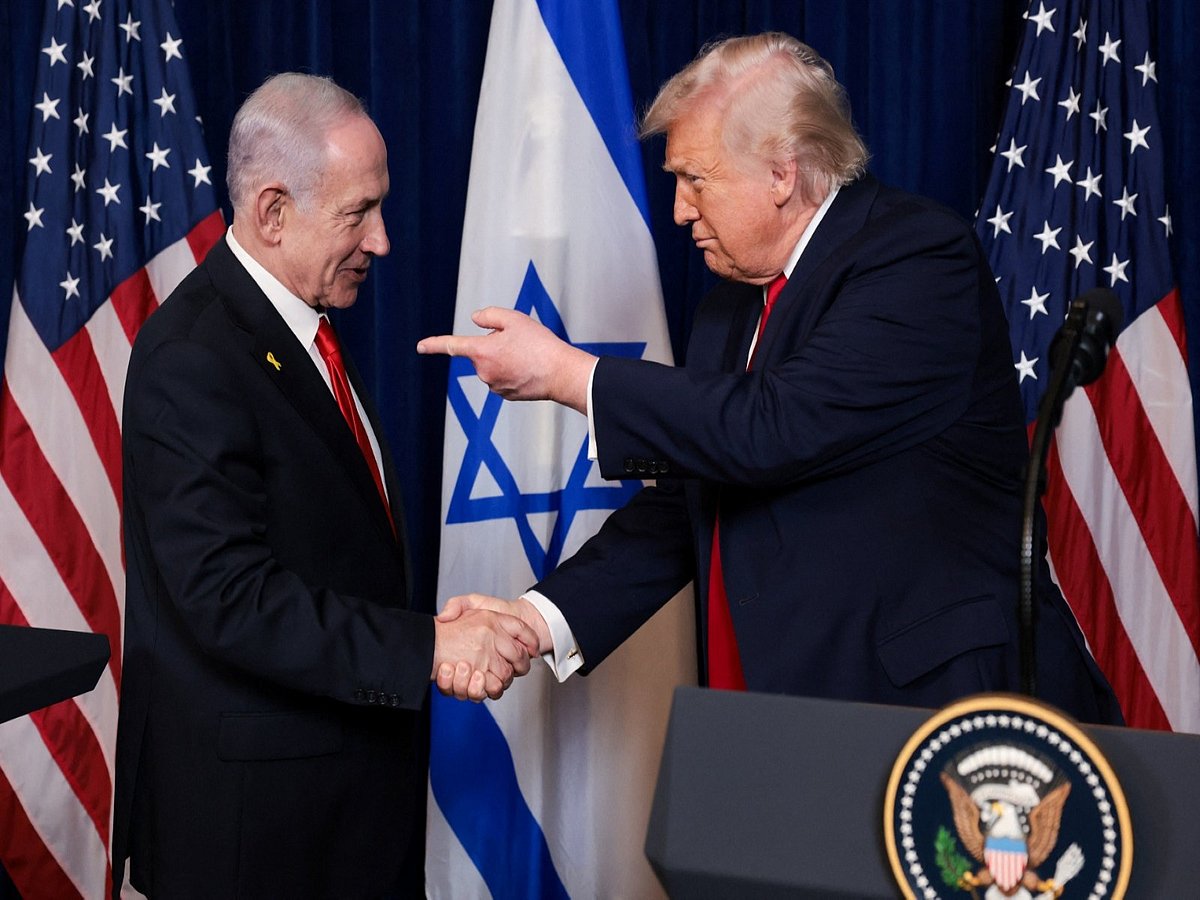
Dubai: Israeli Prime Minister Benjamin Netanyahu is reportedly calling US President Donald Trump every day to press for renewed attacks on Iran, triggering resistance within the White House as the UAE, Saudi Arabia, Qatar and Turkey mount a diplomatic push to prevent another devastating Middle East conflict.
The competing pressures have placed Trump at the centre of a struggle over the next phase of the Iran war, with Israel seeking further military action while regional leaders warn that another escalation could engulf neighbouring countries.
According to the Financial Times, a person briefed on the discussions said Netanyahu had been persistently urging Trump to resume military operations.
“Netanyahu calls him every day [to urge him to resume the war],” the person said, adding that opponents of renewed fighting inside and outside the White House were trying to counter that pressure.
However, another person familiar with Israel’s position disputed the suggestion that Netanyahu was currently conducting a concerted lobbying campaign, while acknowledging his preference for renewed military action.
UAE, Saudi Arabia lead diplomatic push
At least four regional leaders have spoken to Trump in recent days, urging him to prioritise negotiations rather than launch another offensive.
They include UAE President His Highness Sheikh Mohamed bin Zayed Al Nahyan, Saudi Crown Prince Mohammed bin Salman, Qatar’s Emir Sheikh Tamim bin Hamad Al Thani and Turkish President Recep Tayyip Erdogan, according to the Financial Times.
Their intervention reflects mounting concern that renewed US strikes could provoke Iranian retaliation against Gulf countries and critical regional infrastructure.
UAE Presidential Diplomatic Adviser Dr Anwar Gargash has emphasised the importance of pursuing political solutions capable of producing lasting regional stability.
“The priority must remain the pursuit of political diplomatic solutions capable of producing a more sustainable regional balance,” Gargash said.
He also expressed hope that the US midterm election results would reinforce efforts to avoid further escalation.
Trump signals shift away from fresh attacks
The diplomatic campaign appears to have coincided with a significant change in Trump’s public messaging.
Following talks with Qatari Prime Minister Sheikh Mohammed bin Abdulrahman Al Thani at the White House on Monday, Trump said there was “positive momentum” towards ending the conflict.
He described the war as militarily “effectively over” and indicated that another major American offensive was unlikely for now.
But he immediately tempered that message with a warning that American forces remained “locked and loaded”, signalling that Washington was keeping its military options open despite the renewed diplomatic push.
In a separate interview with Reuters, Trump acknowledged that Gulf countries preferred a peaceful settlement.
But he made clear that Washington retained the option of military action.
“We’re ready to go anytime we want,” he said.
The comments suggest Trump is prepared to give diplomacy more time without abandoning military pressure on Tehran.
Hormuz blockade remains the sticking point
Despite the softer rhetoric, Washington has maintained its naval blockade of Iran, a central source of tension in negotiations.
Trump said Gulf allies, including the UAE, Saudi Arabia, Qatar, Bahrain and Kuwait, preferred maintaining the current situation rather than risking another major confrontation.
But that status quo includes continued American economic and military pressure.
Mediators are attempting to revive an interim agreement based on an Iranian proposal presented in September.
Under the framework reported by the Financial Times, Iran would reopen the Strait of Hormuz to shipping in exchange for steps including lifting the US blockade, allowing oil exports and releasing some frozen assets.
Major disagreements remain over the sequence of concessions and Iran’s stockpile of highly enriched uranium.
Washington wants Tehran to surrender the material and permit international inspections, while Iran has resisted transferring its uranium abroad.
Iran warns of retaliation
Tehran has warned that fresh American attacks would trigger retaliation, raising fears that another confrontation could extend beyond Iranian territory.
Iranian threats against regional infrastructure, including undersea communications cables and data centres, have heightened concerns about the consequences of renewed hostilities.
The diplomatic uncertainty comes after Trump’s Republican Party suffered major losses in last week’s US midterm elections, with the prolonged conflict and rising fuel prices adding to domestic political pressure.
For Gulf governments, the immediate priority is preventing another military escalation while keeping negotiations alive.
Trump’s latest statements suggest diplomacy has gained breathing space. But with Netanyahu reportedly pressing for renewed strikes, Iran refusing key American demands and the US blockade still in place, the confrontation remains unresolved.

Sign up for the Daily Briefing
Get the latest news and updates straight to your inbox
Network Links
GN StoreDownload our app
© Al Nisr Publishing LLC 2026. All rights reserved.