UAE to establish integrated national healthcare system linking medical services
Nearly 920,000 people have joined the genome programme, with personalised reports planned
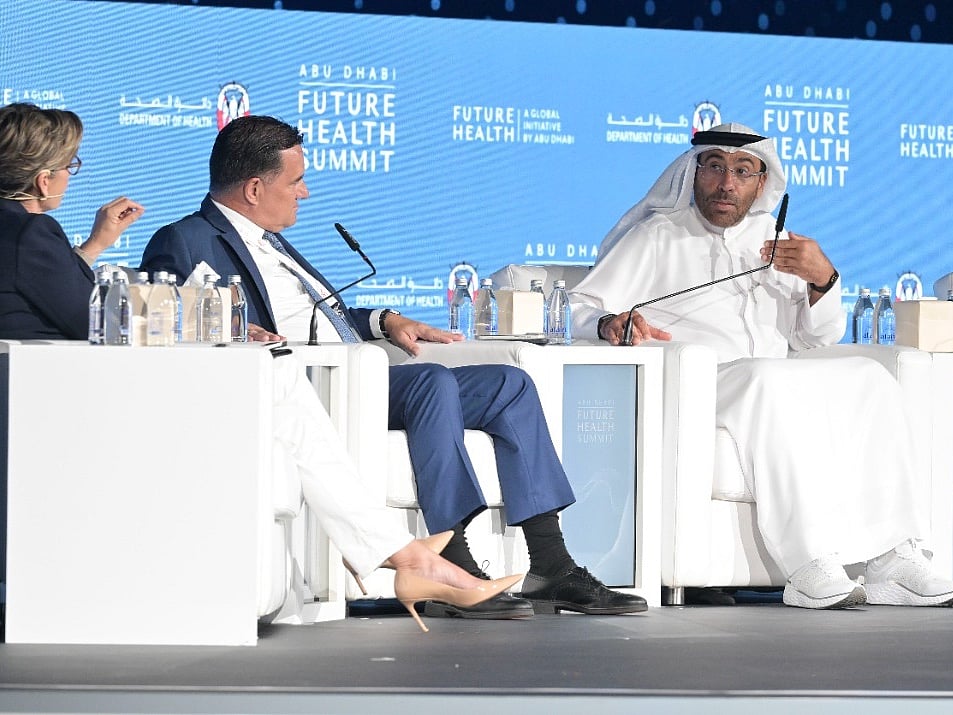
Abu Dhabi: The UAE is working to establish an integrated national healthcare system connecting medical services across the country, under the directives of President His Highness Sheikh Mohamed bin Zayed Al Nahyan, in a move aimed at improving efficiency and shifting the focus from treating illness to preventing disease.
Ahmed bin Ali Al Sayegh, Minister of Health and Prevention, said the initiative would bring together the country's existing healthcare systems, forming part of a broader strategy to help people live longer, healthier lives.
Get updated faster and for FREE: Download the Gulf News app now - simply click here.
Speaking at the Abu Dhabi Future Health Summit 2026, Al Sayegh said the country's healthcare sector is undergoing a period of reassessment, with greater focus on prevention, early detection and personalised medical care.
He added that President Sheikh Mohamed had called for the creation of a unified healthcare framework connecting medical systems across the Emirates to make services more effective and efficient.
The minister said the shift would require a stronger focus on preventing diseases linked to lifestyle choices, working conditions and everyday habits, rather than relying primarily on medical treatment after illness develops.
The approach, known as Healthy UAE, extends beyond conventional healthcare, bringing together government entities and other sectors under a national strategy for public health and wellbeing.
Al Sayegh described the initiative as the first attempt to address public health and wellbeing across the country through a single, integrated national framework.
He noted that the strategy is intended to strengthen cooperation between healthcare providers and organisations outside the medical sector, recognising that improving public health requires coordinated action across society.
As part of the shift towards preventive medicine, Al Sayegh revealed that nearly 920,000 people had participated in the UAE's national genome programme.
Authorities are preparing to issue personalised health reports to participants who have agreed to receive their genetic findings, outlining potential health risks and practical measures they could take to address them.
Al Sayegh stated that individuals identified as having an elevated risk of developing certain diseases would receive tailored preventive action plans, which they could discuss with their primary care physicians or family doctors.
These consultations could lead to additional medical examinations or screening where necessary, allowing patients and doctors to develop preventive measures suited to each individual's circumstances.
He stressed that not all participants would require further medical intervention, as genetic risks vary from person to person.
Al Sayegh explained that the approach reflected the future direction of healthcare in the UAE, with medical services increasingly tailored to individuals' health profiles and potential risks.
The ultimate goal, he added, is not simply to extend life expectancy, but to increase the number of years people could live in good health.
Network Links
GN StoreDownload our app
© Al Nisr Publishing LLC 2026. All rights reserved.