Abu Dhabi performs 779 organ transplants in 2026, up 23.5%
More than 40,000 people have registered their wish to donate organs after death.
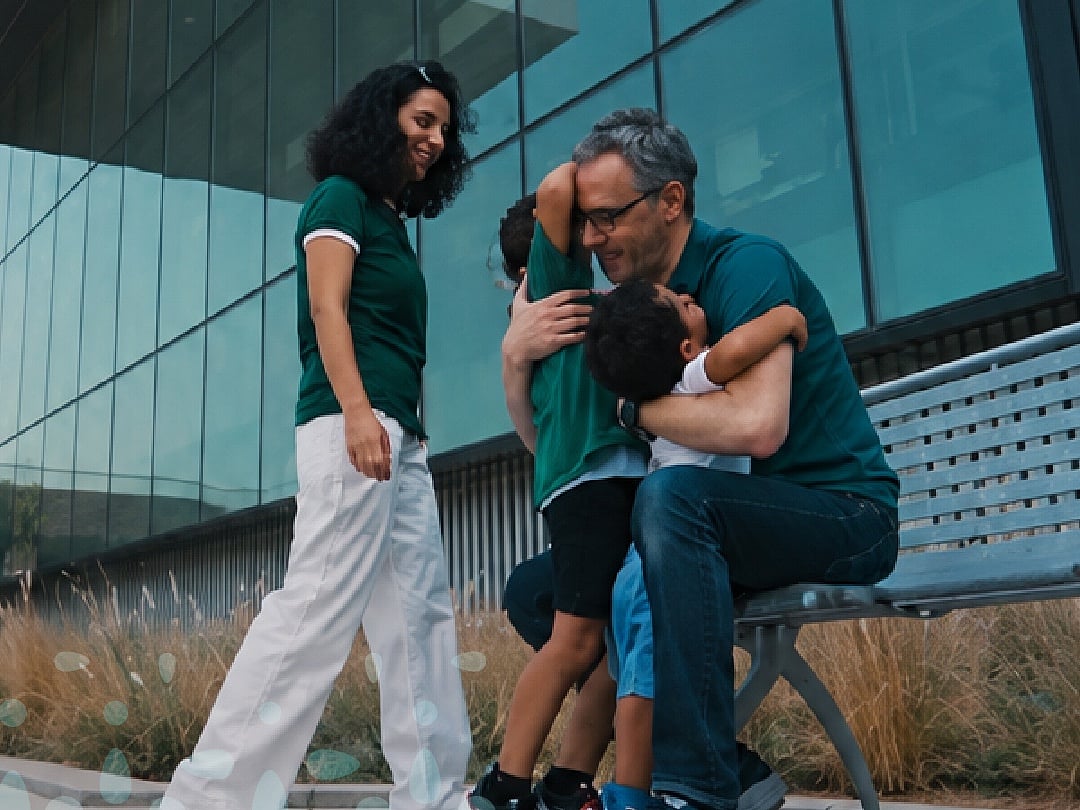
Abu Dhabi: Abu Dhabi has performed 779 organ transplants so far in 2026, an increase of 23.5 per cent over the whole of last year, bringing the total number of procedures carried out in the emirate since 2017 to 2,500, according to new figures released by the Department of Health – Abu Dhabi.
The latest figures show a sharp expansion in transplant services, with procedures rising from 290 in 2024 to 631 in 2025 before reaching 779 this year, an increase of nearly 169 per cent compared with 2024.
Get updated faster and for FREE: Download the Gulf News app now - simply click here.
The department reported one-year post-transplant success rates reaching 96.5 per cent, while more than 40,000 people have registered their intention to donate organs after death through Hayat, the UAE's national organ and tissue donation and transplantation programme.
Abu Dhabi also recorded the highest organ donation rate among Gulf countries in 2025, according to the department, while regional cooperation has enabled the exchange of more than 550 organs between the UAE, Saudi Arabia and Kuwait since the programme's launch.
Launched in 2017, Hayat aims to increase the availability of donated organs and improve access to life-saving treatment for patients with organ failure.
The department attributed the expansion in transplant services to investments in specialised medical facilities, advanced surgical technologies, internationally trained medical professionals and partnerships with leading healthcare institutions.
Four hospitals lead transplant operations
Four major hospitals are at the centre of Abu Dhabi's organ transplantation programme: Cleveland Clinic Abu Dhabi, Sheikh Khalifa Medical City, Burjeel Medical City and Sheikh Shakhbout Medical City.
Together, the facilities provide specialised transplant services, including complex procedures involving multiple organs and robotic-assisted surgery.
Cleveland Clinic Abu Dhabi, home to the UAE's first multi-organ transplant centre, operates the country's only heart and lung transplant programmes, supported by a dedicated transplant intensive care unit.
The hospital has also carried out several pioneering procedures, including the UAE's first combined heart and lung transplant.
It became one of only five centres worldwide at the time to perform a robotic-assisted lung transplant, introducing a surgical approach designed to improve precision and support patient recovery.
The Department of Health noted that such advances were expanding treatment options for patients with complex medical conditions who previously had limited access to specialised procedures.
More than 550 organs exchanged with Gulf countries
International cooperation has also played an important role in the development of Abu Dhabi's transplant services.
The emirate has established partnerships with leading medical organisations, including Spain's Donation and Transplantation Institute and the United Network for Organ Sharing in the United States.
These collaborations focus on improving organ donation systems, strengthening clinical standards and developing specialised programmes for kidney and liver transplantation.
They have also supported the introduction of new donation pathways, including tissue donation and organ retrieval following circulatory death, which can increase the number of organs available for transplantation.
Regional cooperation with Saudi Arabia and Kuwait has enabled the three countries to exchange more than 550 organs, improving the chances of finding suitable donors for patients with complex medical needs.
The department stressed that expanding cross-border organ-sharing arrangements remained an important part of efforts to improve access to transplantation.
40,000 people register to become donors
Beyond advances in surgery, the authorities have sought to encourage more people to register as organ donors through the Hayat programme.
More than 40,000 people have now recorded their willingness to donate organs after death, helping strengthen the national system for identifying potential donors and connecting available organs with patients awaiting transplantation.
The Department of Health reaffirmed its commitment to expanding transplant services, improving treatment outcomes and strengthening cooperation with regional and international partners to give more patients access to life-saving care.
Network Links
GN StoreDownload our app
© Al Nisr Publishing LLC 2026. All rights reserved.