Dubai announces new rules, unified system to protect students from abuse, bullying and neglect in schools and universities
New framework covers cyberbullying, neglect and exploitation across private institutions
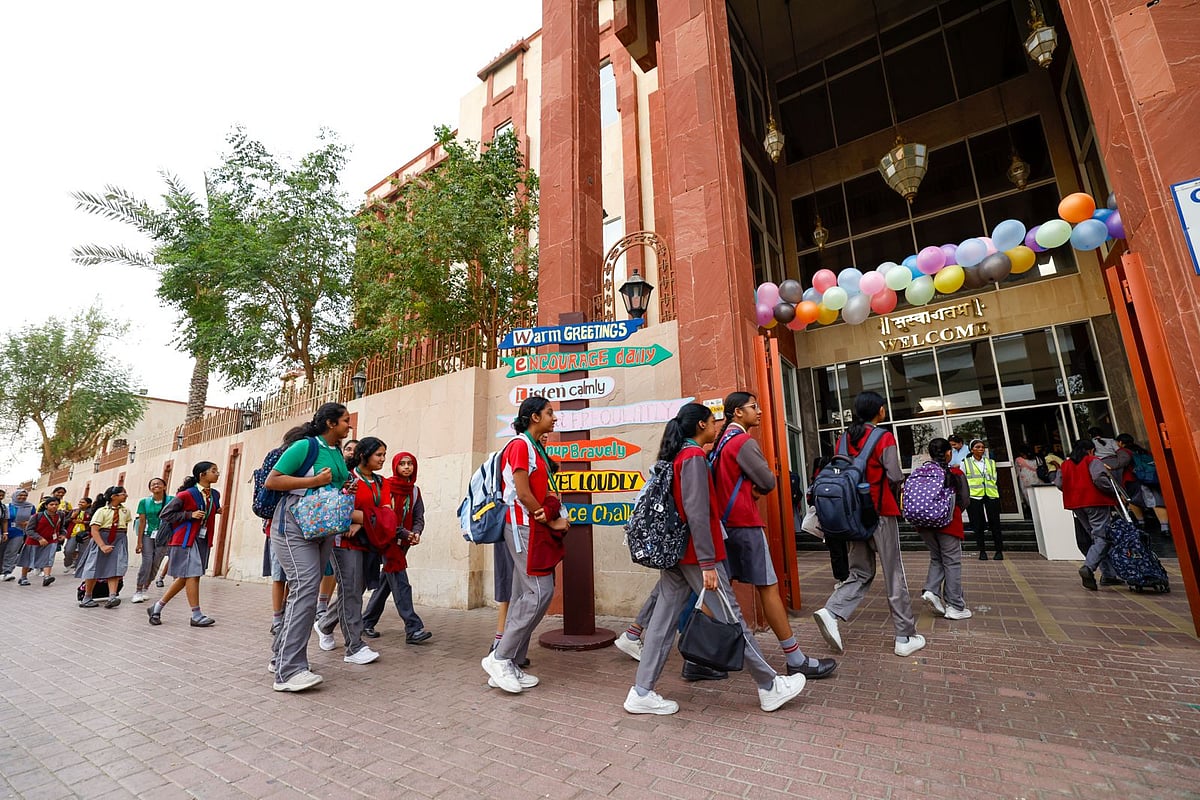
Dubai: Dubai’s Knowledge and Human Development Authority (KHDA) has announced a unified safeguarding and learner protection framework covering private educational institutions across the emirate, including early childhood centres, schools and higher education institutions.
Announced at a media briefing on Friday, November 13, the new Policy Framework for Safeguarding and Learner Protection establishes common standards for protecting learners from abuse, neglect, exploitation, cyberbullying and other forms of harm.
Get updated faster and for FREE: Download the Gulf News app now - simply click here.
The framework also extends protection to learners aged 18 and above, ensuring safeguarding measures are not limited to children in schools.
KHDA grants one-year grace period for safeguarding rules
Fatma Al Janahi, Director of Foundation and Growth Policies & Programs at KHDA told Gulf News, the new safeguarding framework would be implemented in phases, with educational institutions given a one-year grace period to meet certain requirements.
However, she stressed that cases involving children who need immediate protection or support must be addressed without delay. “If a child needs support and needs an immediate action, the institution is required to take the action immediately to get the support needed,” she said.
Al Janahi explained that while institutions must respond immediately to safeguarding concerns, other requirements, such as staff training, would be introduced gradually.
“A grace period is provided to assure that the institutions are supporting the staff and supporting also the school community to make sure that the policy is implemented in a way that is suitable to the school culture and environment,” she said. She added that the ultimate aim was to ensure that “every child is protected and taken care of.”
Unified system to report abuse and safeguarding concerns
One of the key developments is a new automated case management system, scheduled for introduction in the first quarter of 2027.
The system will establish a standardised process for escalating, managing and following up on safeguarding concerns across private educational institutions.
KHDA indicated that reporting mechanisms could include a dedicated hotline or electronic case management platform, with information handled confidentially and shared between institutions only when necessary in serious cases.
The framework also aims to help educational institutions identify warning signs of abuse and harm, including incidents that may occur outside school premises or online.
It recognises that abuse, neglect and exploitation can have lasting consequences for learners’ physical, emotional, social and educational development.
Mandatory safeguarding responsibilities
The new framework establishes a regulatory basis for safeguarding across Dubai’s private education sector, setting out mandatory responsibilities that institutions must fulfil.
It aims to ensure learners receive consistent protection and support throughout their education, while strengthening the ability of institutions to recognise and respond to safeguarding risks.
When will the new framework be implemented?
KHDA outlined a phased implementation schedule:
November–December 2026: Familiarisation sessions for different education sectors to explain the framework and its requirements.
First quarter of 2027: Launch of additional guidance, templates and resources through the Safe Space platform.
First quarter of 2027: Role-specific training for safeguarding leads and their deputies at educational institutions.
First quarter of 2027: Introduction of the automated case management system.
From the second quarter of 2027: Ongoing monitoring and review of the framework’s implementation.
The phased rollout will give educational institutions time to understand the new requirements, train relevant staff and strengthen their safeguarding procedures.
KHDA sets clear accountability rules for student protection
During a Q&A session, a KHDA spokesperson told Gulf News that accountability would be a key pillar of the new framework, with safeguarding responsibilities extending beyond school leadership to all staff working within educational institutions.
“We want accountability to extend to everyone within the institution, from teachers and principals to supervisors and bus drivers,” the spokesperson said.
The spokesperson explained that each institution would have a designated safeguarding governor responsible for ensuring student protection remains a priority on the governing board’s agenda. Safeguarding leads would also be responsible for ensuring that appropriate procedures are in place, responsibilities are assigned, and protection policies are implemented and monitored.
The framework also aims to strengthen awareness among staff, including wellbeing teams and support professionals who work directly with students.
“Accountability, it’s a major thing, it’s a guiding principle for this policy framework, and training is going to really help people ensure that this accountability is clear and everybody knows what they need to do,” the spokesperson said.
Network Links
GN StoreDownload our app
© Al Nisr Publishing LLC 2026. All rights reserved.